Gutter Guards vs Ongoing Cleaning — Comparing the Real Cost
Gutter guards are a big upfront cost, cleaning a recurring one. Compare them over years using your trees, height and guard type instead of a single price.
Cost & Planning
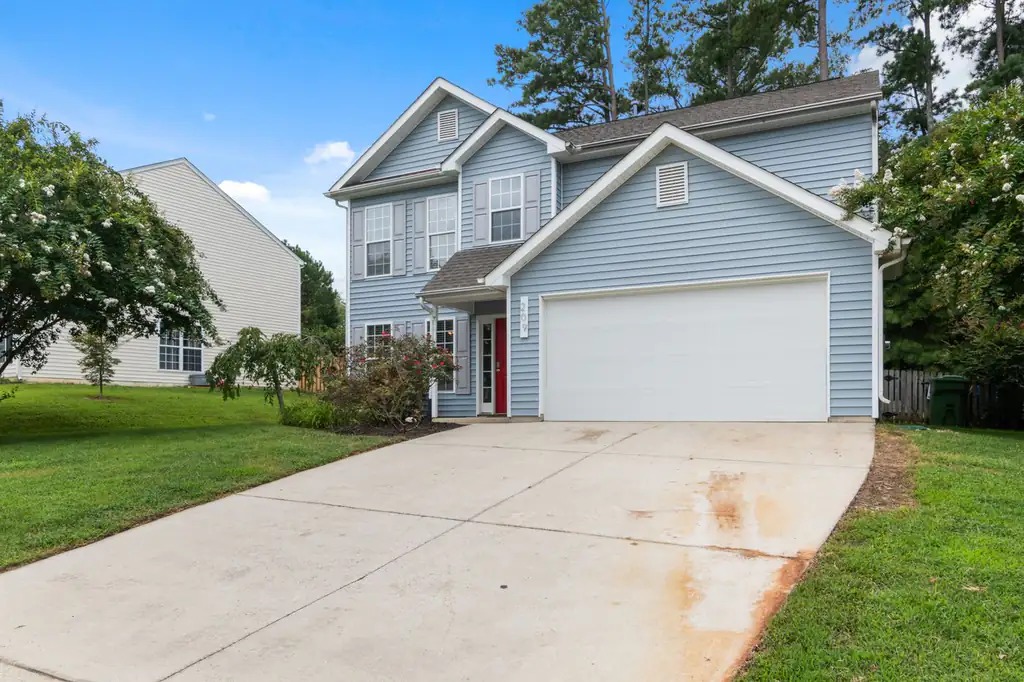
Regrading and landscape-drainage cost is mostly earthwork — how much soil must move, access for equipment, hauling fill in or spoil out, and restoring lawn or plantings. A small hand-regrade is cheap; reshaping a whole yard with machines is not.
Here’s the short answer: regrading and landscape drainage are priced as earthwork, so the cost is driven by how much soil has to move, whether a machine can reach the work, whether you’re hauling fill in or spoil out, and how much lawn and planting must be restored afterward. A small hand-regrade along a foundation is genuinely cheap. Re-contouring a whole backyard with machines is genuinely not. Same word, very different projects.
Regrading means reshaping the ground so water flows where you want it, usually away from the house. It’s often the first and cheapest thing to try for a drainage problem, which is why understanding its cost drivers pays off. Our guide to how to grade soil around a house covers the technique; here we’re focused on what moves the price.
The core variable is how much soil you’re moving. A gentle reslope of a two-foot strip against the foundation is a wheelbarrow’s worth of work. Lowering a high corner, filling a broad low spot, or re-establishing slope across an entire yard can mean many cubic yards. Cost rises with volume because volume drives labor, equipment time, and hauling all at once.
We're deliberately not printing a price. Regrading cost depends on soil volume, access, disposal, and restoration, all of which vary by region and by yard, so any single number would be misleading. The honest move is to understand the drivers below and get the volume and access assessed for your specific site.
After volume, three factors round out most of the budget.
Can a compact excavator or skid steer drive right up to the work, or does everything have to squeeze through a side gate, around a pool, or between mature trees? Good access keeps a machine job efficient. Poor access slows the machine or forces the work back to hand labor, and labor is the largest cost on most regrading projects.
Earthwork rarely balances perfectly.
Either direction, the trucking and material scale with volume and can be a large, easily-overlooked slice of the total.
Once the grading is right, the surface has to be made whole again, seed or sod on bare soil, plus any plants, edging, or hardscape disturbed along the way. Restoration is real money and is sometimes left off a bid to make it look leaner, so always confirm whether it’s included.
| Factor | Why it moves the cost |
|---|---|
| Volume of soil moved | More cubic yards means more labor, machine time, and hauling |
| Hand vs. machine | Hand work avoids equipment cost but suits only small areas; machines add rental and an operator |
| Site access | Tight gates and obstacles slow machines or force hand labor, raising cost |
| Hauling spoil out | Excess soil must be trucked away and disposed of, scaling with volume |
| Hauling fill in | Imported soil adds both material and delivery cost |
| Restoration | Seed, sod, and replacing disturbed plants and hardscape add to the total |
Ask two questions before anyone moves dirt. First, how much soil actually needs to move to get water flowing away, and is there a lower place for it to go? Second, can equipment reach the work, or is this a hand job? Those answers place you on the spectrum from cheap afternoon fix to multi-day machine project.
Regrading often solves a drainage problem on its own, which makes it the smart first move before you spend on trenched drains. If it isn’t enough, our guide to what drives the cost of yard drainage covers the next steps, and budgeting a home water-management project shows where regrading sits in a cheapest-first plan.
FAQ
Because the job is fundamentally about moving soil, and how much soil, how far, and how easily varies enormously between yards. A slight reshaping near a foundation and a full backyard re-contour are both regrading, but one is an afternoon with a shovel and the other is days of machine work plus hauling.
A hand-regrade reshapes a small area, often a strip near the foundation, with shovels and a rake. It is cheap because it needs no equipment. A machine job uses an excavator or skid steer to move large volumes, which is faster for big areas but adds equipment, operator, and often hauling costs.
Because soil is heavy and bulky. If a job creates excess soil, that spoil has to be loaded and trucked away and disposed of. If a job needs more soil, fill has to be bought and delivered. Both the trucking and the material are real costs that scale with volume.
A lot. If a machine can drive straight to the work, the job is efficient. If everything has to pass through a narrow gate, around a pool, or between mature trees, the work slows down or shifts to hand labor, and labor is the biggest cost on most regrading jobs.
Not always, so ask. After the soil is reshaped, the surface usually needs seed or sod, and any plants, edging, or hardscape disturbed during the work has to be put back. Restoration can be a meaningful part of the total, and leaving it out makes a bid look artificially low.
Often, yes, when the problem is that water sits against the house or pools in a low spot that has somewhere lower to drain to. Regrading is frequently the first thing to try because it can solve the issue without pipe or gravel. It fails only when there is no lower outlet for the water to reach.
Reshape only what you need to, confirm where the water will go before moving soil, and get clear on whether hauling and restoration are in the bid. The biggest overruns come from moving more soil than necessary and from surprises in disposal and lawn repair.
Keep reading
Gutter guards are a big upfront cost, cleaning a recurring one. Compare them over years using your trees, height and guard type instead of a single price.
Gutter repair cost depends on the fault, how much run is affected, roof height and hidden fascia damage. Learn the drivers and when repair beats replacement.
Budget for gutters and drainage with a method — triage by urgency, phase the work, add a contingency, and anchor to real quotes instead of online averages.