How to Fix Standing Water in Your Yard
Standing water in your yard? Diagnose the cause first, then match the fix — regrading, a swale, French drain, dry well, or soil work.
Category
Drainage is where surface water becomes a system underground. This section explains buried downspout lines, French drains, catch basins, dry wells and grading — and why the right answer depends on your soil, climate and local code, not a universal number.
Guides
Standing water in your yard? Diagnose the cause first, then match the fix — regrading, a swale, French drain, dry well, or soil work.
Burying your downspout lines can move roof water cleanly away from the house — or create a hidden problem. Here is how these systems work, and the failures to design around.
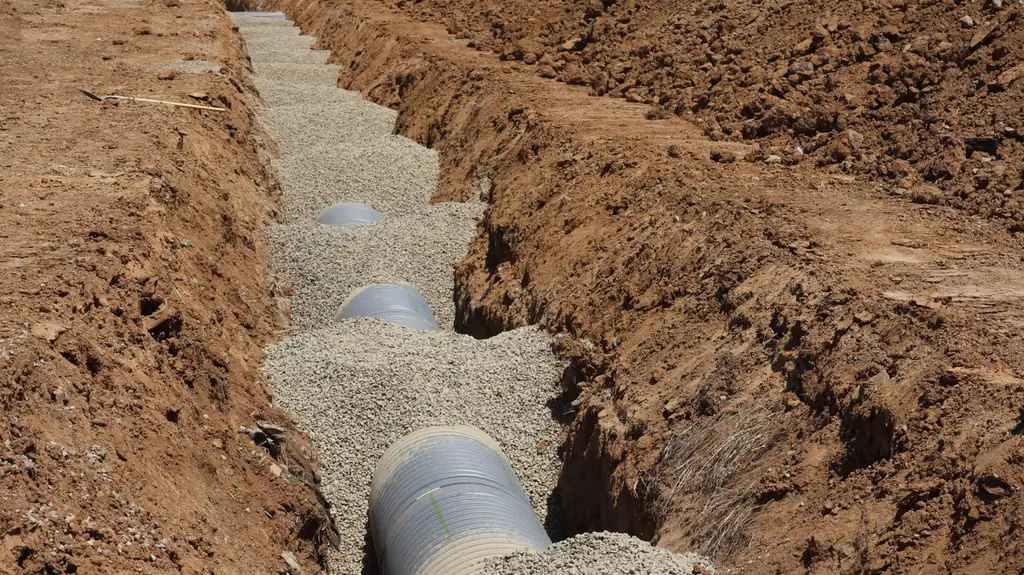
A French drain collects soggy subsurface water; a catch basin captures standing surface water. Here is how to tell which one your yard actually needs.
Solid pipe conveys concentrated water to an outlet; perforated pipe collects water from soil. Here is when to use each and what goes wrong when you swap them.
What a dry well is, how it works, and the one condition it depends on — soil that actually drains. Sizing, maintenance, and the mistakes that make them fail.
How a catch basin collects surface water, why the silt sump matters, and why it is only as good as the outlet you pipe it to. Uses, cleaning, and common mistakes.
How grading and swales move surface water without pipes — positive slope, building a swale, and the outlet every one of them depends on. Uses and common mistakes.
Why paved surfaces concentrate runoff, and how channel drains, slope, and permeable surfaces route it to a safe outlet instead of toward your foundation. Uses and common mistakes.
Smooth-wall PVC vs flexible corrugated drainage pipe — how each behaves on clogging, crushing, and cleanouts, where each fits, and why this is a different choice than solid vs perforated.