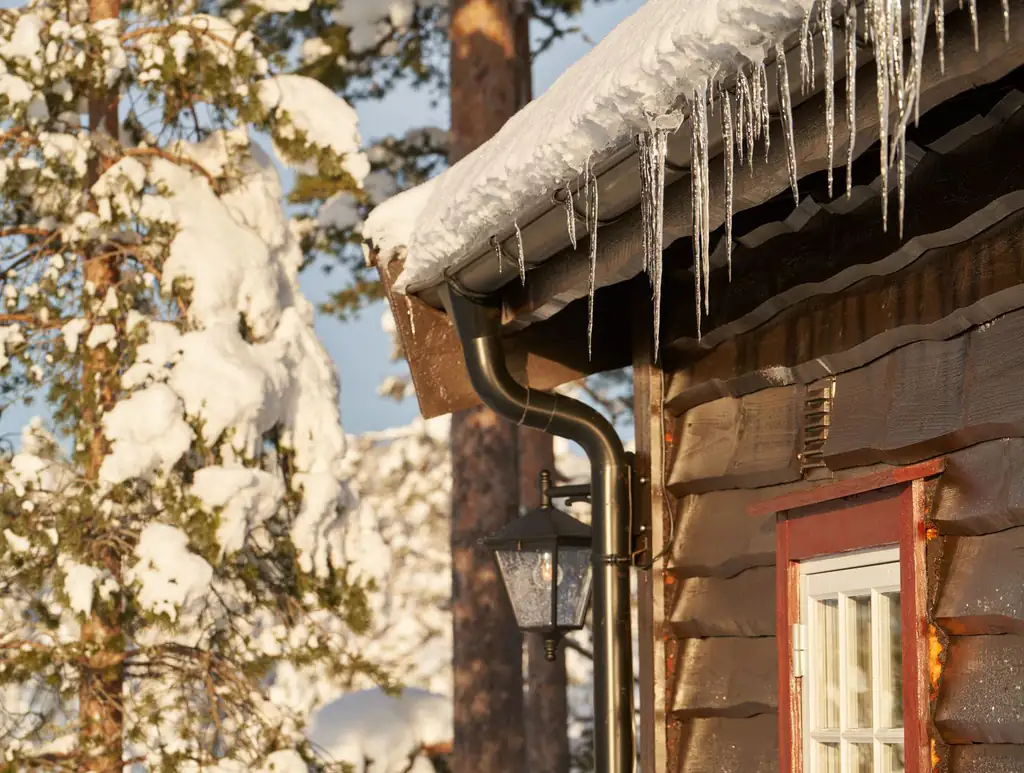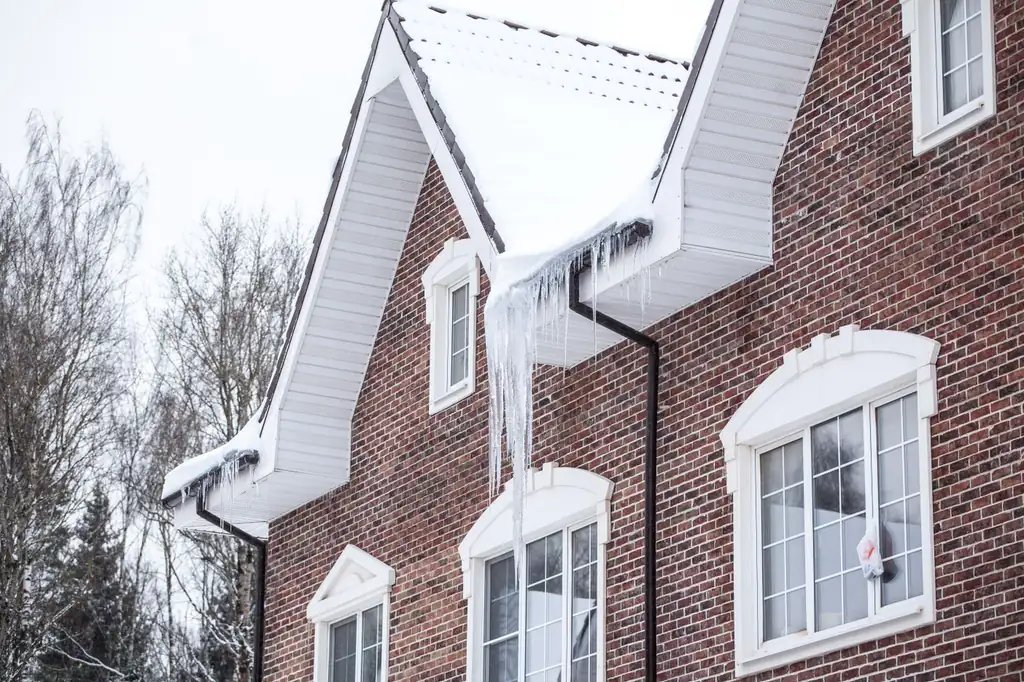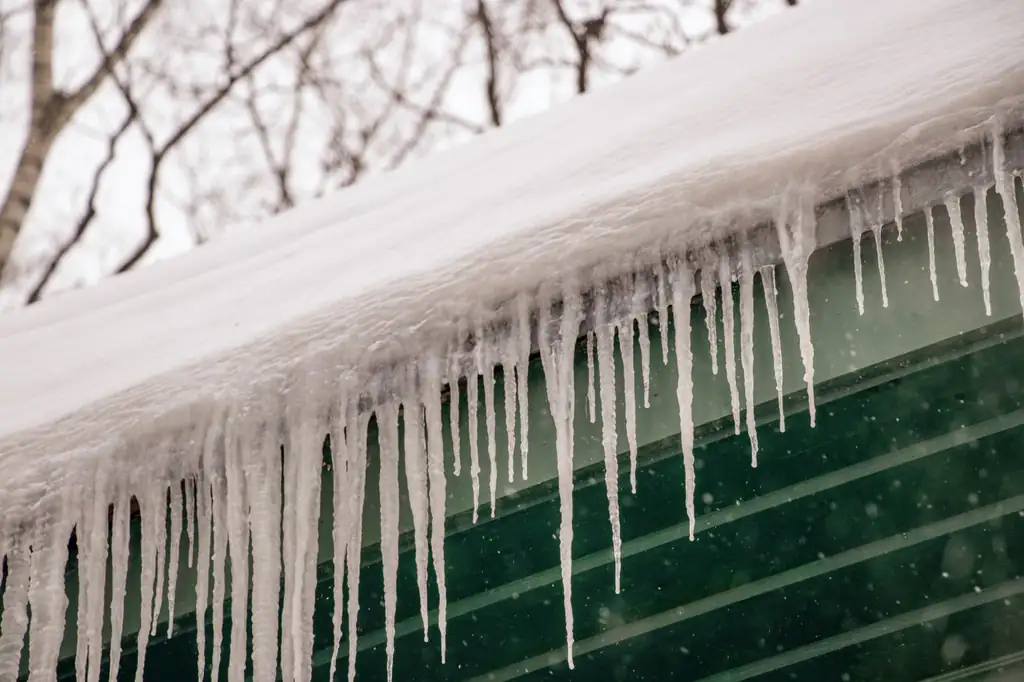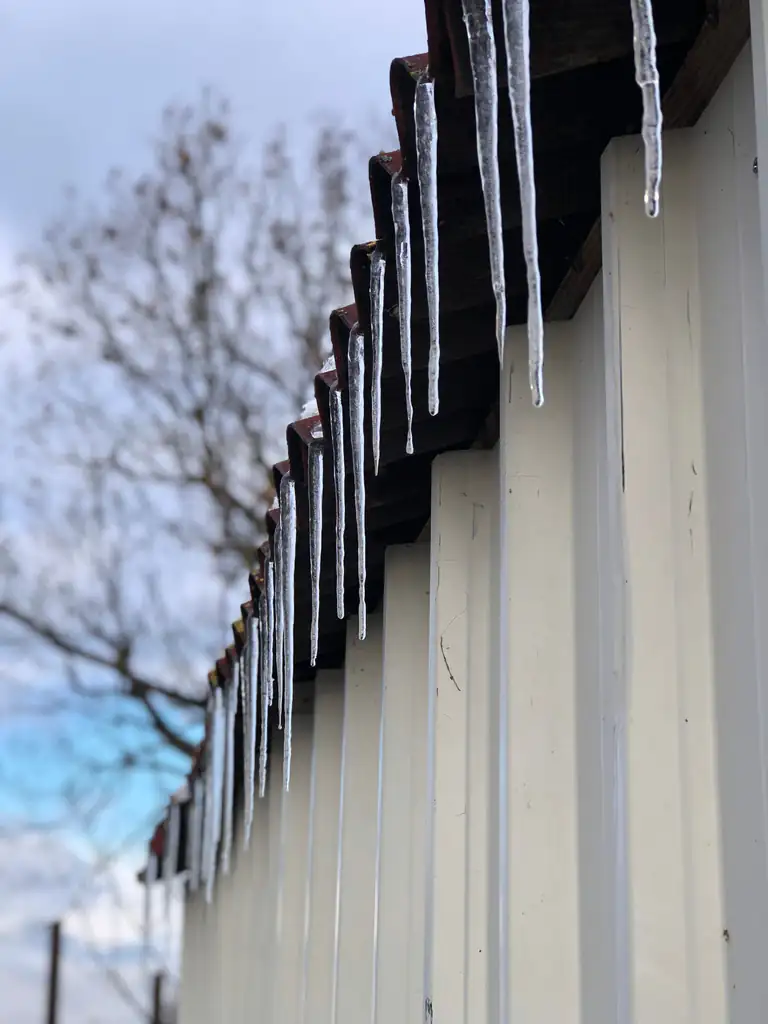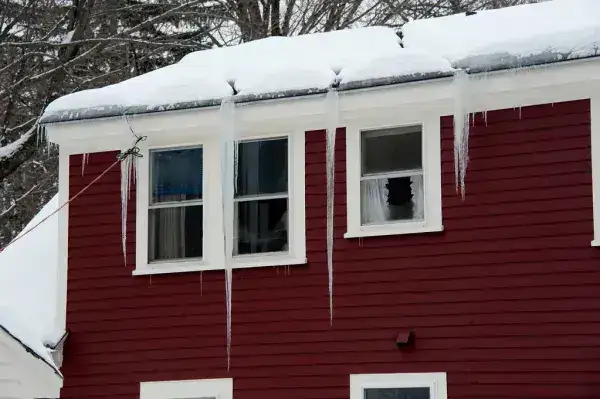
How Ice Dams Form (and Why It's Not Your Gutters' Fault)
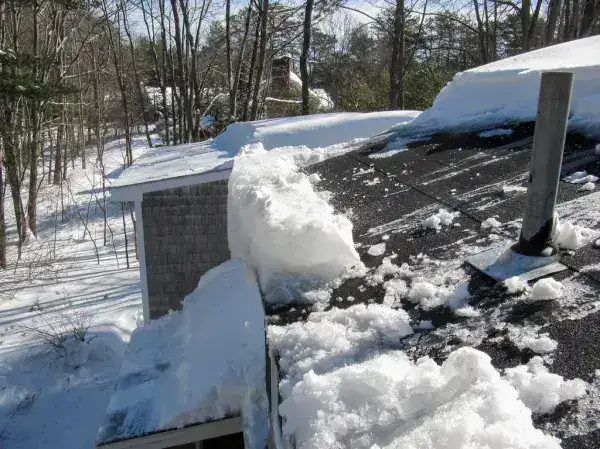
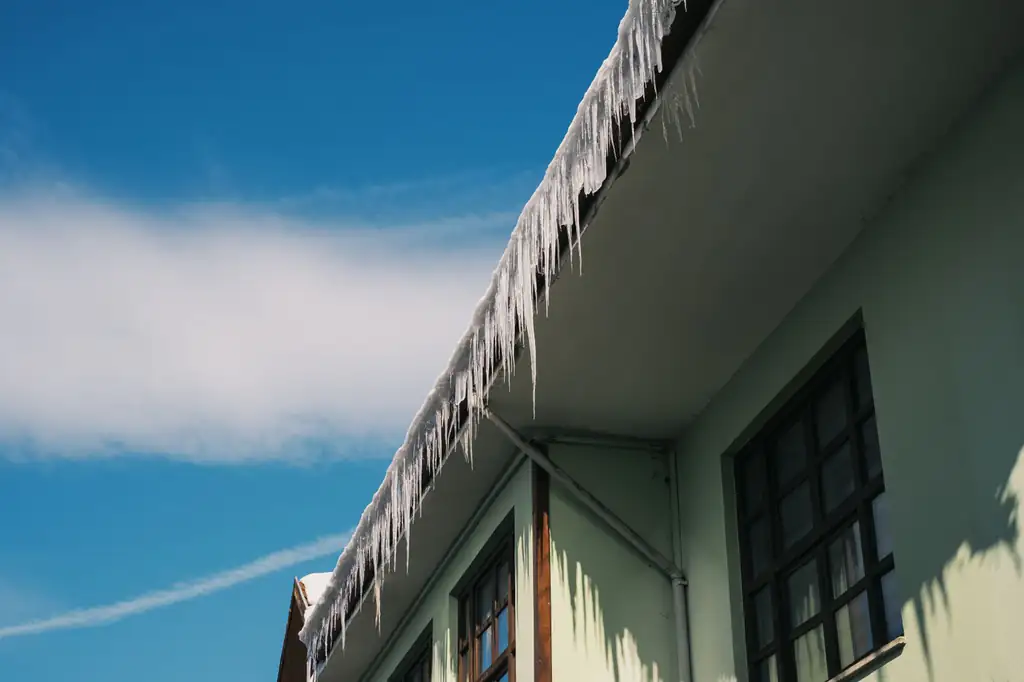
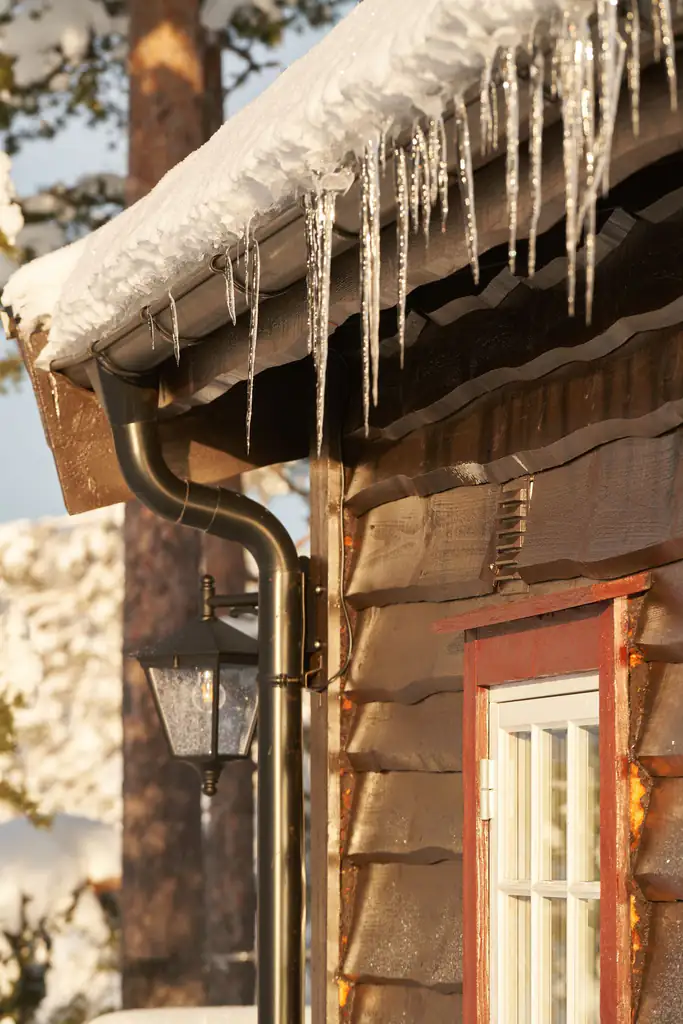
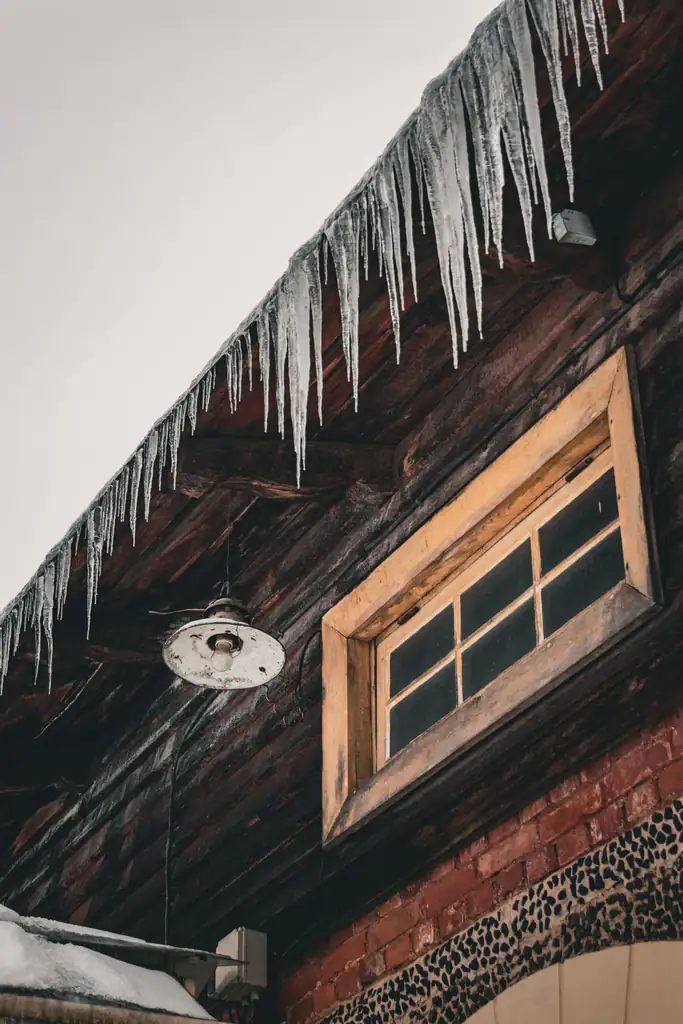
How ice dams really form — attic heat loss melts snow that refreezes at the cold eave. Why gutters aren't the cause, and what to do safely.
Category
Winter changes how water behaves. Ice dams form at the roof edge, gutters freeze, underground lines can block with ice, and snow adds load. This section explains why these happen and the safe, realistic ways to reduce the risk — without dangerous DIY on an icy roof.
Guides
How ice dams really form — attic heat loss melts snow that refreezes at the cold eave. Why gutters aren't the cause, and what to do safely.
Prevent ice dams by keeping the roof deck cold — air-seal, insulate, and ventilate the attic. Snow management and clear gutters help, but the real fix is the attic.
The attic cure for ice dams — air-seal leaks first, insulate the attic floor, then balance soffit-to-ridge ventilation to keep the roof deck cold. Why all three matter.
Safe ice-dam removal is limited — rake snow from the ground and call a pro to steam an active leak. Never climb an icy roof, chip the ice, or use a flame.
Why gutters and downspouts fill with ice — clogs, poor slope, and meltwater refreezing at the cold eave. The weight risk, and the real fixes for a symptom.
How to use a roof rake safely from the ground to reduce ice-dam snow, plus snow-load basics — wet snow, drifting, and when heavy load becomes a structural worry.
What roof heat cables and gutter heat tape actually do, where they help, and why they treat the symptom of an ice dam rather than the warm roof causing it.
How ice dams damage a house in stages, from water backing up under shingles to soaked insulation, rot, and bent gutters — and the warning signs to catch it early.
Gutters are often blamed for ice dams, but a warm roof is the real cause. Here is why removing gutters does not help and what actually fixes the problem.