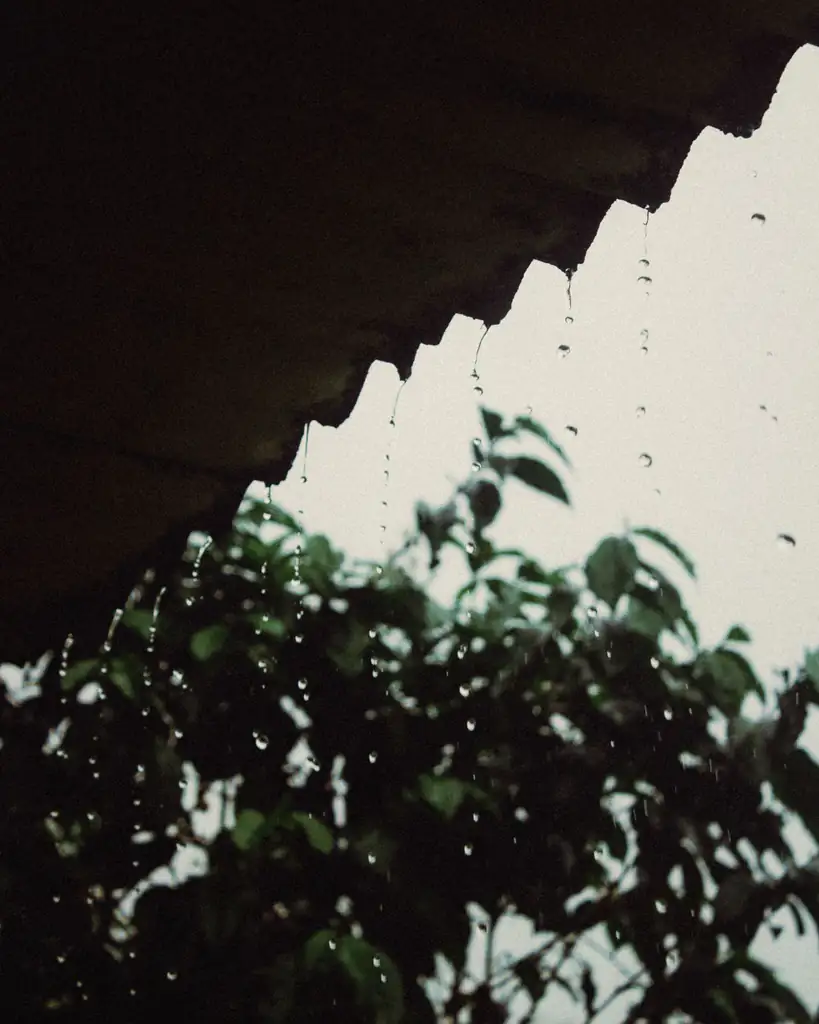
How Roof Runoff Works
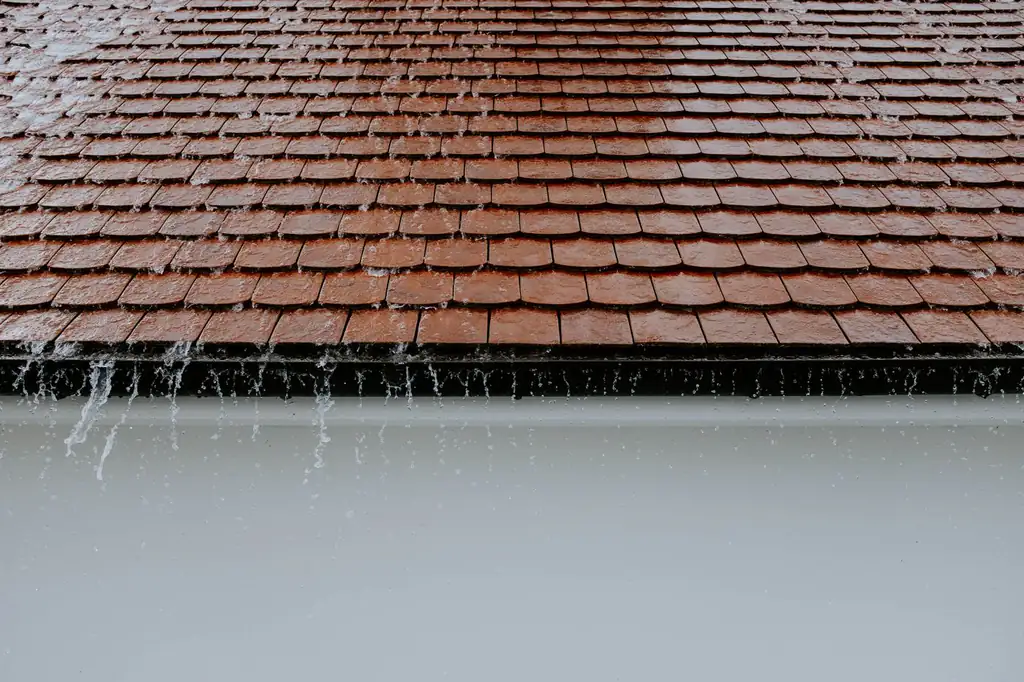
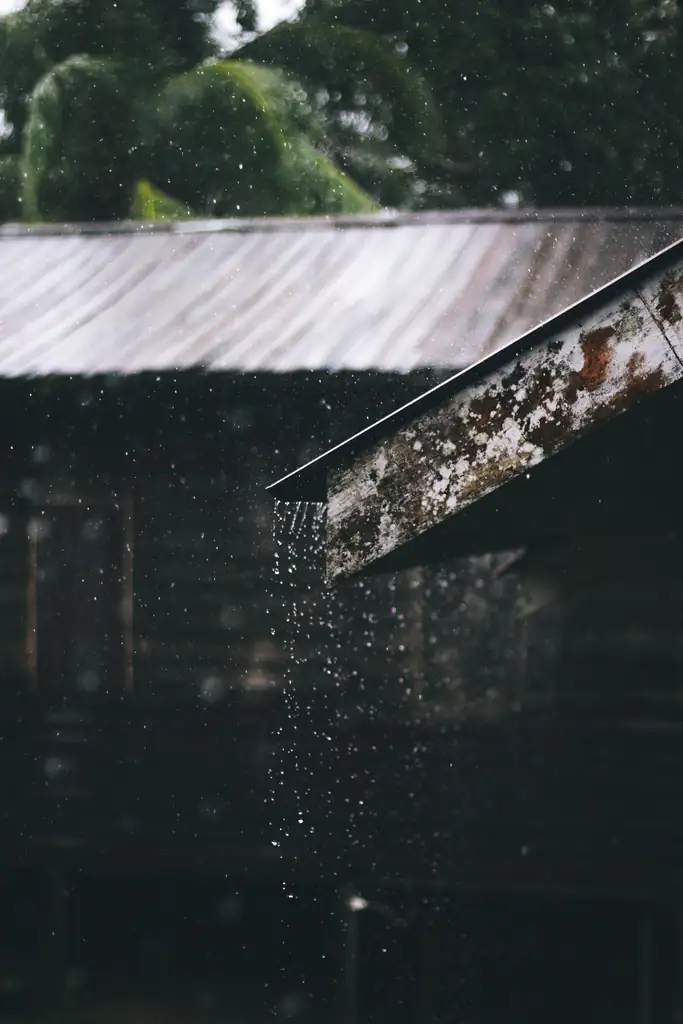
Roof runoff is the water your roof gathers before it reaches a gutter. How area, slope and valleys shape it, and why the roof edge decides where it lands.
Category
Before water reaches a gutter it is shaped by roof area, slope and valleys. This section explains how runoff concentrates, why water sometimes runs behind the gutter, and the role of drip edge, fascia and soffit.
Guides
Roof runoff is the water your roof gathers before it reaches a gutter. How area, slope and valleys shape it, and why the roof edge decides where it lands.
Roof valleys concentrate fast, heavy runoff at one spot on the eave. Here is why valleys overshoot gutters and the fixes that actually help.
Drip edge, fascia and soffit work together at the roof edge to hand water to the gutter. Learn what each does and what goes wrong when they fail.
Roof pitch changes how fast and forcefully water reaches your gutter. Learn why steep roofs overshoot, low roofs pond, and how slope factors into sizing.
Moss and algae take hold on shaded, damp roofs and along runoff paths. Learn the difference, the damage they cause, and how to treat them safely.
Roof area, not just rainfall, determines how much water a gutter must carry. Learn how drainage area and rain intensity size gutters and downspouts.
Drip edge and gutter apron are both roof-edge flashing, but they do slightly different jobs. Learn how they differ and when an apron fixes water behind the gutter.
Kickout flashing diverts roof runoff away from the wall and into the gutter where a roof meets a wall. Learn why missing it causes hidden rot and how to spot it.
Flat and low-slope roofs drain through internal drains and scuppers, not eave gutters. Learn how they work, why ponding is the main threat, and how to maintain them.