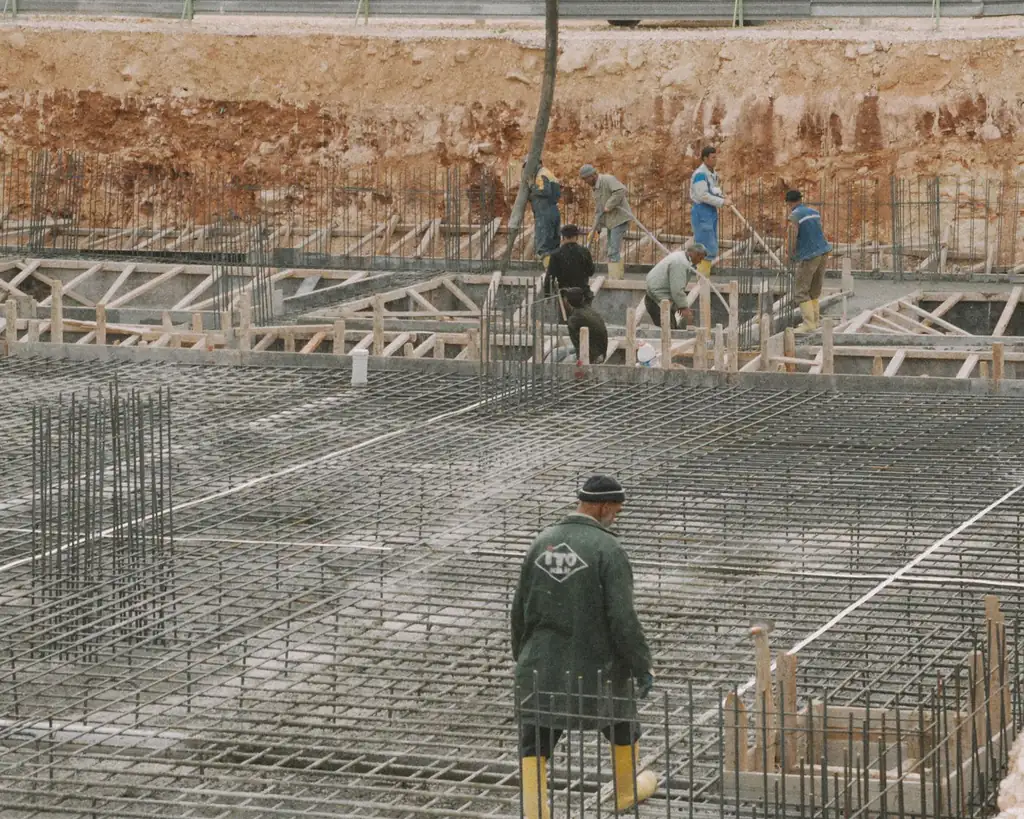
How Soil Type Affects Foundation Drainage
How sand, silt, and clay each behave around a foundation, why expansive clay builds pressure, and how your soil changes the right drainage fix.
Category
Most basement and crawl-space moisture problems start outside. This section covers grading around the house, where downspouts discharge, hydrostatic pressure and the warning signs that drainage — not the wall itself — is the real issue.
Guides · Page 2 of 3
How sand, silt, and clay each behave around a foundation, why expansive clay builds pressure, and how your soil changes the right drainage fix.
What the white chalky deposit on foundation walls really is, why it signals water moving through the wall, and how to remove it and fix the source.
Why basements and crawl spaces get wet for the same reasons but show it differently, how diagnosis differs, and where the interior fixes diverge.
How to tell a cosmetic foundation crack from a structural one, why any crack leaks when the soil is wet, and where the real fix usually lives.
What a window well cover does, why it only works alongside a functioning drain, the cover types to know, and the mistakes that let water back in.
A step-by-step guide to regrading soil around a foundation — building up, sloping away, keeping below the siding, and choosing and compacting the right soil.
How a downspout near a crawl-space vent floods the crawl space, and how extending the discharge and grading away from the vents keeps that water out.
Why clay soil makes foundation drainage harder, why infiltration fails, and why the fix leans on keeping water away — grading, discharge, and engineered drains.
The cheap, high-impact basics that keep water off a foundation — working gutters, downspout discharge, and grading — in the order that actually matters.