Best Plants for a Rain Garden
How to choose the best plants for a rain garden by category — flood-tolerant natives for the wet center, adaptable species for the dry edges — instead of copying a species list from another region.
Rain Gardens & Stormwater
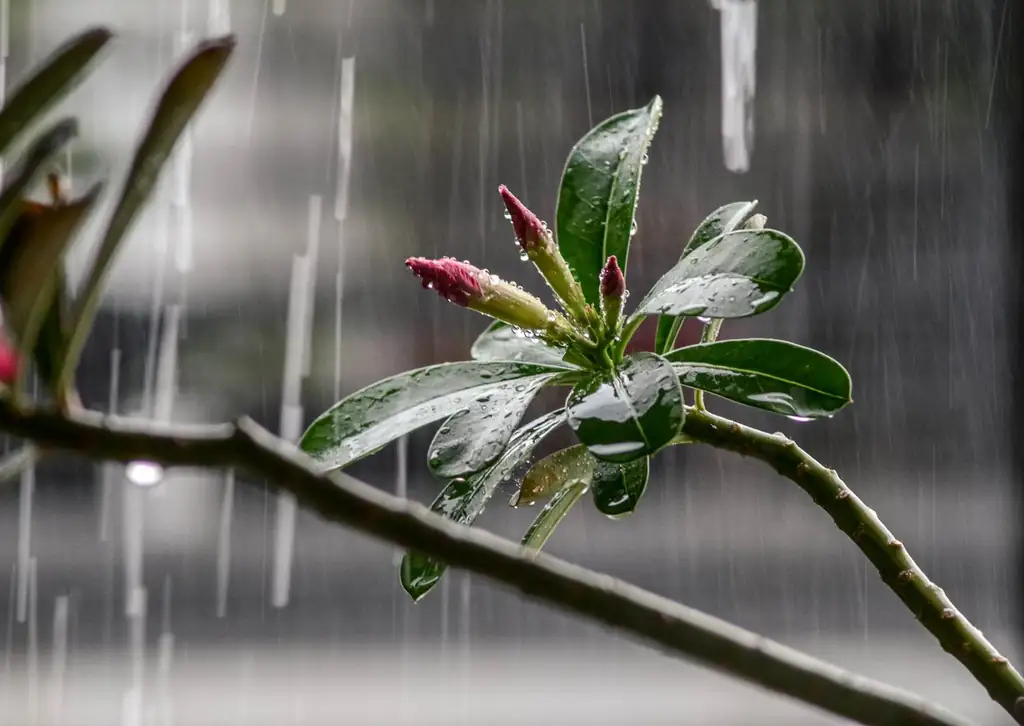
A rain garden is planted in zones — water-tolerant species in the wet center and plants that prefer drier ground toward the edges. Deep-rooted natives suited to your region work best; the point is roots that open the soil and survive both flooding and dry spells.
A rain garden is planted in zones: flood-tolerant plants in the wet center where water ponds, and plants that prefer drier ground toward the raised edges. Across every zone, the best choices are deep-rooted species native to your region — plants whose roots open up the soil for drainage and can survive both the flooding after a storm and the dry stretches in between. Match the plant to the moisture, and the garden mostly takes care of itself.
If you haven’t built the basin yet, it helps to understand what a rain garden is and how the depression is shaped before you plan the planting.
Water in a rain garden doesn’t spread evenly. During a storm, runoff collects in the low center and ponds there before soaking in. The sloped sides shed that water toward the middle, and the top edge may barely get wet at all. So within one small garden you have a range of conditions — from “briefly underwater” in the middle to “rarely floods” at the rim.
Planting the whole thing with a single species ignores that gradient. A plant that loves the soggy center will often struggle on the dry edge, and a plant happy on the edge can rot in the middle. Zones are simply a way of putting each plant where the moisture suits it.
Most people think in terms of three bands: a wet center, a middle slope, and a dry edge. The exact widths depend on your garden’s shape and how deep it ponds, but the principle holds everywhere.
Rather than chase a specific plant list, choose by characteristics. The right species vary enormously by region, climate zone, and even the specific conditions of your yard, so think in categories:
Plant availability and suitability are intensely local. Rather than transplant a species list from an article written for a different climate, ask a regional native plant nursery or extension program which plants fit your zone and your specific moisture conditions.
You can build a functioning rain garden with non-natives, but regional natives earn their spot for practical reasons. They evolved with your local weather, so they tolerate the wet-and-dry cycle a rain garden imposes without much intervention. Their root systems tend to run deep, which is exactly the trait that keeps infiltration good and the soil stable. And they feed local bees, butterflies, and birds in a way ornamental imports often don’t. A rain garden planted in natives usually needs less water, less fussing, and less replacement over the years.
Use this as a way to organize your choices, not as a set of species names. The categories tell you what kind of plant belongs where; your local sources tell you which ones.
| Zone | Moisture conditions | Choose plants that are… |
|---|---|---|
| Center (lowest) | Ponds briefly after storms, then dries; wettest spot | Flood-tolerant and drought-tolerant; happy in saturated soil temporarily |
| Middle slope | Occasionally wet, mostly moist to dry | Moderately flood-tolerant, adaptable to a range of moisture |
| Edge / rim (highest) | Rarely floods; drains fast; driest spot | Drought-tolerant, preferring well-drained ground |
| All zones | Variable, wet-and-dry cycling | Deep-rooted and native to your region |
The center is where flood tolerance matters most. The edges are where drought tolerance is tested hardest. Everything in between blends the two. Notice that deep roots and native origin apply across the whole garden — those aren’t zone-specific traits, they’re the baseline.
Set plants according to their zone, water them through the first growing season until they’re established, and mulch to hold moisture and suppress weeds while roots develop. Expect the garden to look thin at first — native plantings often spend their early energy on roots before they fill out on top. Within a couple of seasons, a well-zoned, deep-rooted planting matures into something that manages its own moisture, drains better than bare soil, and needs far less attention than a lawn.
Once you know what you’re planting, the last piece is siting: getting the garden a safe distance from the house, downhill of the water source, and clear of septic and utilities.
FAQ
Match the plant to the zone. The low center floods and then dries out, so it needs species that tolerate both. The edges stay drier and suit plants that prefer well-drained ground. Across all zones, look for deep-rooted plants native to your region rather than a specific list copied from elsewhere.
Because water doesn't sit evenly. The center ponds during storms and the edges rarely flood, so a plant that thrives in one spot may struggle in the other. Grouping plants by how much moisture they can handle lets each one live where it's suited and keeps the whole garden healthy.
Natives aren't strictly required, but they're strongly favored. Plants native to your region are adapted to local rainfall, soils, and swings between wet and dry, and they support local pollinators and wildlife. They also tend to develop the deep roots that make a rain garden infiltrate well.
Deep, fibrous roots open channels in the soil that help water infiltrate, and they hold the basin together against erosion. Shallow-rooted turf grass does little of this. Deep-rooted plants are a big part of why a mature rain garden drains better over time.
The right ones will. A rain garden isn't wet most of the time — between storms it can dry out completely, especially at the edges. That's why the plants have to tolerate drought as well as occasional flooding, and why choosing species adapted to your local climate matters.
Standard lawn turf generally isn't a good fit — it's shallow-rooted and doesn't like being flooded. Some ornamentals work, but the safest approach is to choose regionally native plants suited to each moisture zone rather than whatever's on display, since store stock isn't sorted by flood tolerance.
There's no fixed count. A mix of species across the zones tends to be more resilient than a single type, because different plants handle wet and dry differently and bloom at different times. Focus on matching each plant to its zone rather than hitting a particular number.
Keep reading
How to choose the best plants for a rain garden by category — flood-tolerant natives for the wet center, adaptable species for the dry edges — instead of copying a species list from another region.
Whether rain gardens attract mosquitoes, why a well-drained one should not, and how to fix a garden that holds water too long — the real cause of mosquito worries.
How big a rain garden should be, and what actually sets the size — drainage area, soil infiltration, and basin depth — plus a factors table and common sizing mistakes.