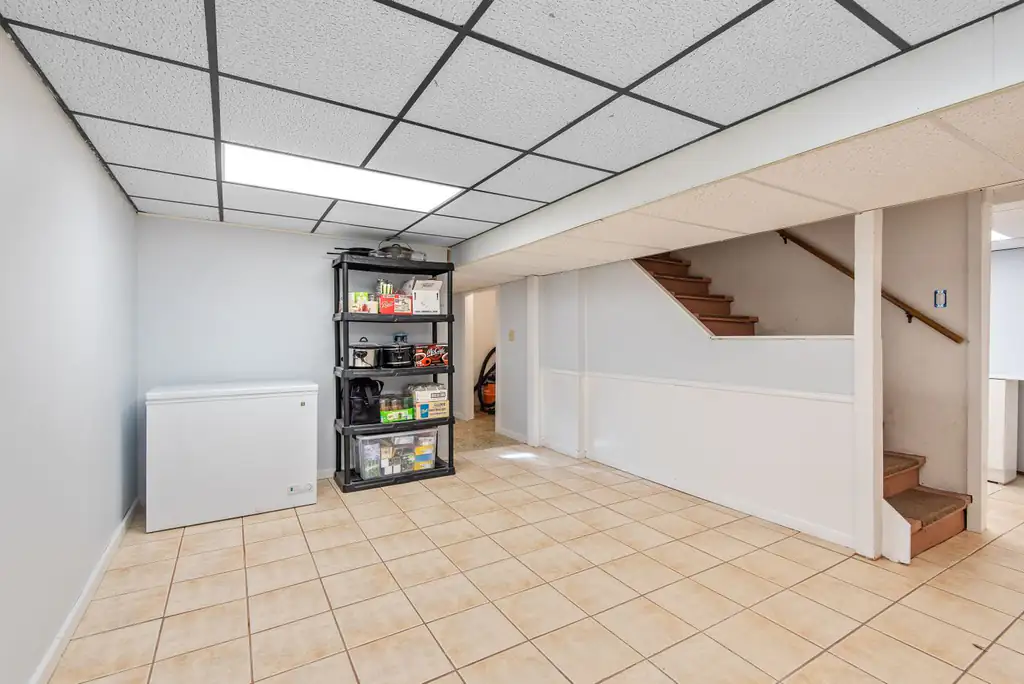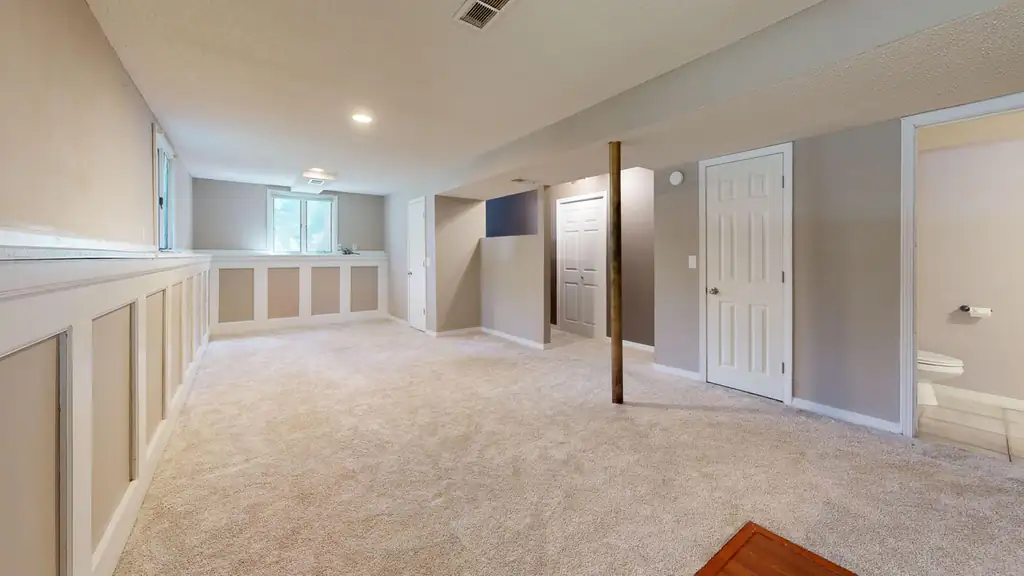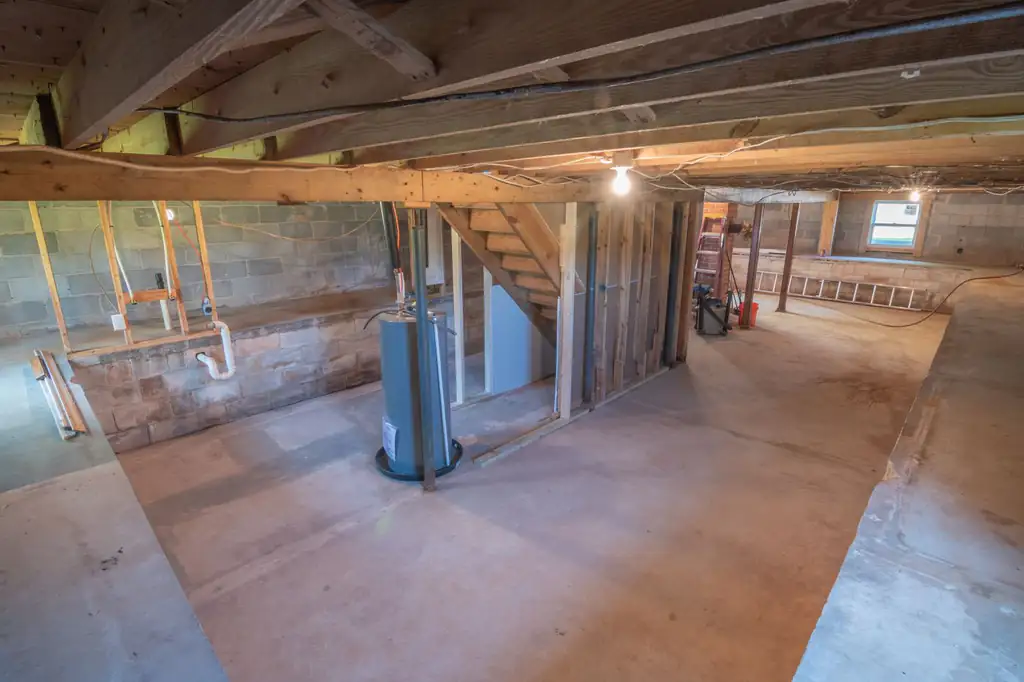
Basement Drainage to Handle Before Finishing
A pre-finishing checklist for basement water — how to test for dryness, address exterior drainage first, and add interior drainage or a vapor barrier if needed.
Basement & Crawl Space
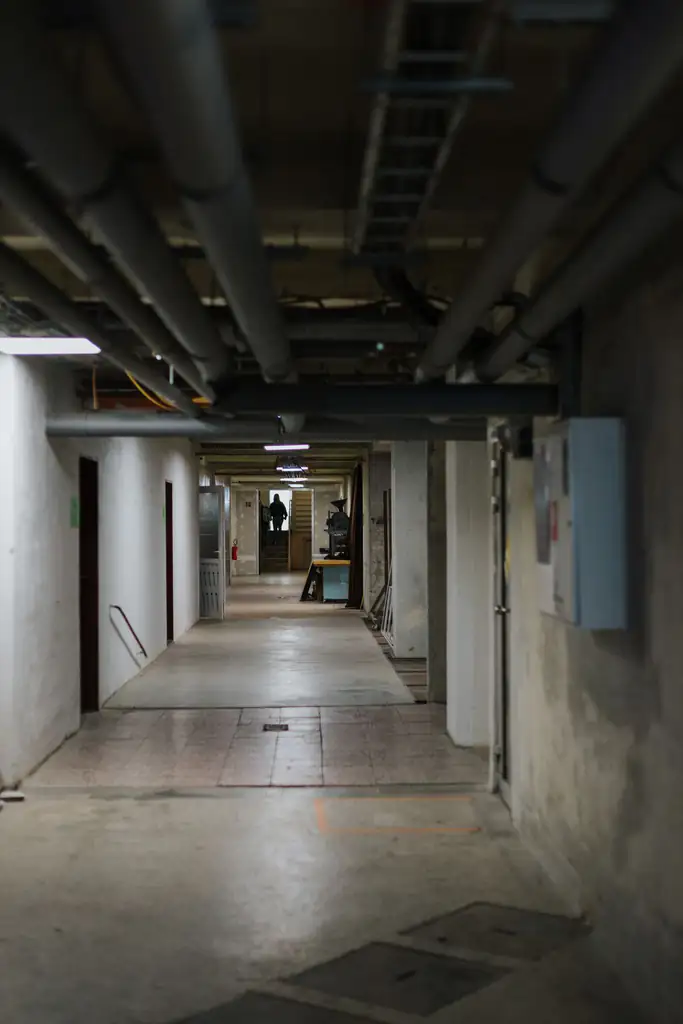
Stopping basement water starts outside, where it is cheapest — clear gutters, extend downspouts, and fix the grade so water flows away. Only if the space still leaks do you move to interior drainage, a sump, or waterproofing. Outside-in is the order that works.
If your basement takes on water and you want it to stop, the most useful thing to know is the order of operations. The short answer: start outside, where the fixes are cheapest and address the actual cause. Clear the gutters, extend the downspouts, and correct the grade so water runs away from the house. Only if the space still leaks after that do you move inward — to interior drainage, a sump, and finally waterproofing at the wall. Working outside-in keeps your money aimed at the source instead of the symptom.
Most basement water begins as surface water that was never carried away from the foundation. Rain lands on the roof, funnels through the gutters, and if it is dumped right at the wall or the ground slopes back toward the house, that water sits against the foundation and finds its way in. Fixing this outside is cheap, reversible, and it removes the cause rather than managing the result.
Interior systems and waterproofing work at the opposite end of the water path. They deal with water that has already arrived at or passed through the wall. They are legitimate tools, but reaching for them first means paying to manage water you could have kept away for a fraction of the cost. If you are still working out where your water is coming from, our guide on why a basement gets wet after rain walks through reading the timing and location of the leak.
Drainage and waterproofing are not the same thing. Drainage moves water away from the foundation; waterproofing resists water at the wall surface. Stopping water usually starts with drainage, not coatings — mixing the two up leads to spending in the wrong place.
Gutters are the front line, and they are the most commonly neglected one. A clogged or overflowing gutter effectively pours a concentrated stream of roof water straight down the wall and into the soil beside the foundation. Clearing debris so water actually reaches the downspouts, and checking that the gutters are pitched to drain, is often the single highest-value thing a homeowner can do.
Downspouts are where roof water is either solved or created. A downspout that ends at the base of the wall delivers all that concentrated water exactly where you do not want it. Extending downspouts so they discharge several feet out, onto ground that carries the water away, moves the problem away from the foundation for very little money.
Cleaning gutters means working at height. Ladders and roofs carry a real fall risk. Work only within safe, stable reach, and hire a professional if you cannot access the gutters safely.
Grade is the slope of the ground around your house. Over time, soil settles and often ends up sloping back toward the foundation, quietly funneling surface water against the wall. The fix is to build the soil back up so it falls away from the house over the first several feet, giving water a reason to move off rather than pool.
This is unglamorous but effective work, and it pairs with the downspouts: there is little point extending a downspout onto ground that slopes back toward the wall. Handle the two together so surface water has a continuous path away from the foundation.
If water still reaches the basement after the gutters, downspouts, and grade are in good shape — or if exterior work is genuinely impractical on your lot — that is when interior drainage earns its place. A perimeter drain feeding a sump collects water that gets in and pumps it back out. It does not stop water from entering; it manages what does. Our overview of interior basement drainage systems explains how that backstop works and when it makes sense.
The key is sequence. Interior drainage installed while a downspout still discharges against the wall pays to pump avoidable water indefinitely. Do the cheap exterior fixes first, then decide whether an interior system is still needed.
Waterproofing — coatings, sealers, and membranes at the wall — sits last for a reason. It resists water at the surface but does nothing about the volume of water pressing against the foundation. Applied to a wall that is still being soaked by a bad downspout, a coating is fighting a losing battle. Applied after the water load is reduced, it can be a reasonable finishing measure. Keep it in its place: a surface defense, not a substitute for drainage.
| Step | What it addresses | Relative cost | Difficulty |
|---|---|---|---|
| Clean and fix gutters | Roof water overflowing at the wall | Low | Homeowner-friendly, at height |
| Extend downspouts | Concentrated water dumped at the foundation | Low | Homeowner-friendly |
| Correct the grade | Surface water draining back toward the house | Low to moderate | Homeowner to contractor |
| Interior drainage and sump | Water that still reaches the basement | High | Contractor |
| Waterproofing at the wall | Residual water at the wall surface | Moderate to high | Varies |
Read top to bottom, the table is the plan: cheapest and most causal first, most expensive and most symptomatic last. Most basements are helped substantially by the first three rows alone.
Plenty of the outside-in work — gutters, downspouts, and modest grading — is within a homeowner’s reach. Some of it is not. Interior drainage usually means cutting into the slab and belongs with a qualified contractor. Structural cracks, water rising broadly through the floor, and large or health-related mold call for professional evaluation before anything else; keep any mold cleanup small and safety-first, and route bigger growth to a specialist. Nothing here guarantees a dry basement, but the outside-in order gives you the best chance of stopping the water at the point where it is cheapest to stop.
FAQ
Almost always the exterior basics — cleaning gutters, extending downspouts well away from the wall, and correcting the grade so soil slopes away. These address where most basement water starts and cost far less than interior systems or waterproofing.
Usually not first. Waterproofing resists water at the wall surface, but if water is pooling against the foundation because of gutters or grading, the smarter move is to cut that water off outside before spending on coatings or interior work.
The common guidance is to move roof water several feet away from the foundation, onto ground that slopes away, rather than letting it drop right at the wall. Exact distance depends on your lot, but farther is generally better.
A frequently cited target is a noticeable fall over the first several feet away from the wall. The goal is simply that surface water runs away from the house rather than pooling or draining back toward it.
When water still reaches the basement after reasonable exterior fixes, or when exterior work is impractical. Interior drainage and a sump manage water that gets in; they are a backstop, not the first thing to try.
Many exterior fixes — cleaning gutters, adding downspout extensions, improving surface grade — are within reach for a homeowner. Interior drainage, structural cracks, and large mold belong with professionals.
Heavy rain overwhelms a weak point — an overflowing gutter, a downspout at the wall, or ground that sends water back toward the house. The timing points to the surface water path, which is where prevention usually starts.
Keep reading
A pre-finishing checklist for basement water — how to test for dryness, address exterior drainage first, and add interior drainage or a vapor barrier if needed.
Basement water during a thaw is a snowmelt drainage problem — frozen ground, meltwater volume, snow piled at the house, frozen downspouts. The fixes, rain-style plus winter-specific.
A basement wet only after rain is usually a surface-water path — gutters, downspouts, grading — not a crack. How to trace it and fix it in order.