Water in the Basement After Snowmelt
Basement water during a thaw is a snowmelt drainage problem — frozen ground, meltwater volume, snow piled at the house, frozen downspouts. The fixes, rain-style plus winter-specific.
Basement & Crawl Space
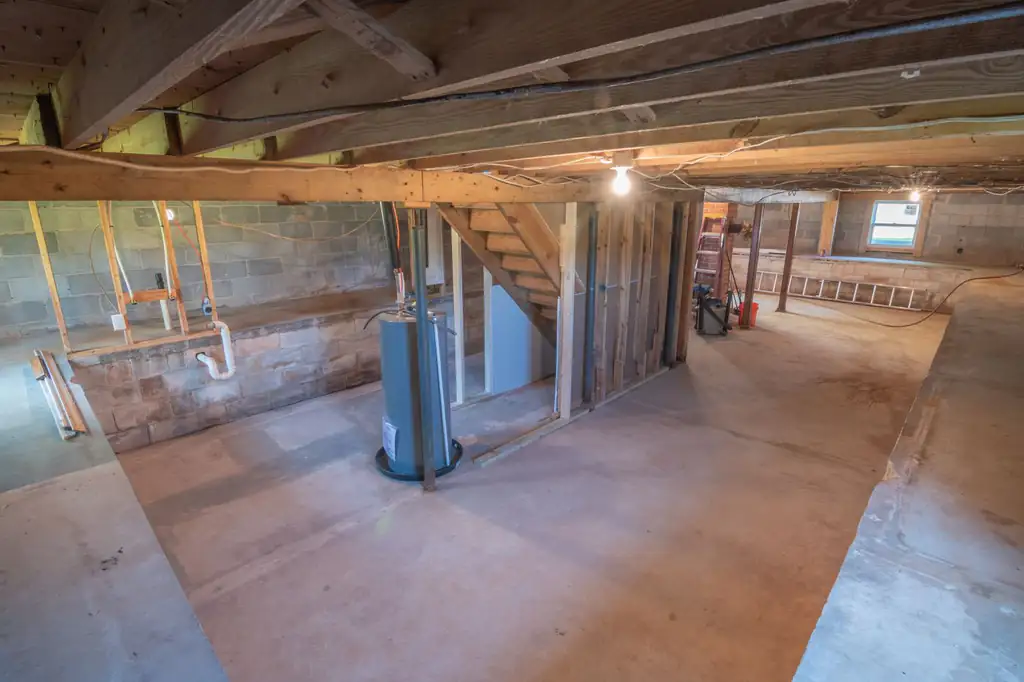
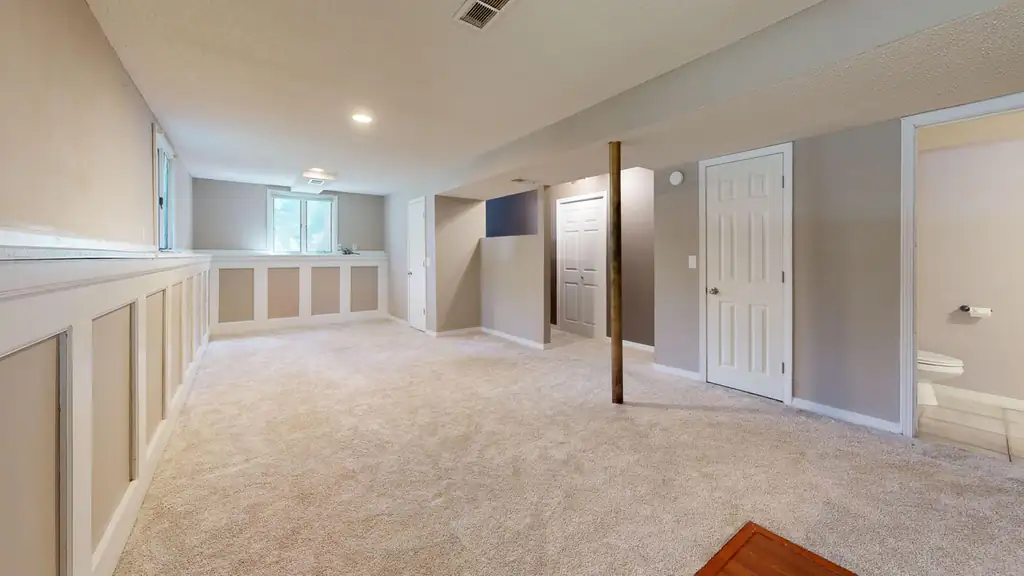
The time to fix basement water is before you finish the space — confirm the basement stays dry through storms, address exterior drainage and grading, and add interior drainage or a vapor barrier if needed. Finishing over an unsolved moisture problem traps it behind the walls.
The most expensive time to discover a basement has a water problem is after you have finished it. The cheapest time to fix it is before. So the honest advice for anyone planning to finish a basement is this: confirm the space stays dry through real storms, address exterior drainage and grading first, and add interior drainage or a vapor barrier if the basement needs them — all before a single sheet of drywall goes up. Finishing over an unsolved moisture problem does not make it disappear; it traps it behind the walls where you cannot see it and cannot easily reach it.
Before you frame a wall, it helps to work through the moisture picture in order. The sequence matters as much as the items:
Each of these is a gate, not a suggestion. Skipping one and finishing anyway means betting that the problem you did not confirm was solved will stay quiet behind the walls. That is a bet that tends to lose during the first wet spring.
Finishing seals the concrete behind drywall and flooring. A moisture problem that is a minor nuisance on bare walls becomes an invisible, trapped problem once it is covered. The prep is what keeps that from happening.
The single most important prep step costs almost nothing: watch the basement over time. A basement can look bone-dry on a sunny afternoon and still take on water during a heavy, sustained storm or a wet season when the ground around the foundation is saturated. One dry day proves nothing. What you want is confidence that the space stays dry through the wettest weather it is likely to see.
So watch it through several heavy rains and, ideally, across a full wet season before committing. Look for the obvious signs — seepage at the wall-floor joint, damp patches, water after a downpour — and the subtler ones, like condensation on cool surfaces or a musty smell that returns with humid weather. If you see water arriving after rain, that is exactly the diagnostic gift you want before finishing; our guide on why a basement gets wet after rain helps read what the timing and location are telling you about the water path. The goal is not to catch the basement dry once, but to be confident it stays dry when it matters.
When there is water to deal with, the order is exterior before interior, and the reason is economics as much as engineering. Exterior fixes cut the volume of water reaching the foundation in the first place, usually for far less money than managing water once it is inside. Extending downspouts so they discharge well away from the house, keeping gutters clear, and correcting grading so the soil slopes away rather than toward the foundation are the high-value first moves. Handle those and you may find the basement dries out on its own.
Interior drainage is the backstop for whatever still gets through after the exterior is handled. An interior perimeter drain that collects water and feeds a sump is a durable way to manage water you cannot fully keep out — our overview of interior basement drainage systems explains how that collection-and-pump system works and when it earns its place. The mistake is reaching for interior drainage first while a downspout still empties against the wall; that is paying to pump water you could have kept away for the price of a downspout extension.
Keep the two ideas of drainage and waterproofing distinct while you plan. Drainage moves water away from or out of the foundation; waterproofing resists water at a surface. A vapor barrier over the slab is a moisture-control layer, exterior grading is drainage, and none of them is a substitute for the others. Matching each measure to the actual water path — rather than buying the strongest-sounding product — is what makes the prep hold up.
| Step | What it addresses | Where it fits |
|---|---|---|
| Watch through wet weather | Whether the basement stays dry | First, before any spending |
| Gutters and downspouts | Roof water reaching the foundation | Exterior, do early |
| Grading | Surface water sloping toward the house | Exterior, do early |
| Interior perimeter drain and sump | Water that still gets in | Backstop, after exterior |
| Vapor barrier | Slab and wall vapor from the soil | Before flooring and framing |
| Finishing | The space itself | Last, over a solved problem |
Read the “where it fits” column top to bottom and it is a sequence, not a menu. The finishing is at the bottom for a reason: everything above it has to be settled before the concrete disappears behind the finish.
Most of the pre-finishing checklist is within reach of an attentive homeowner, but some of it is not, and those parts should be resolved before finishing begins. Bring in a professional when water seeps in during storms, when there are cracks that may be leaking or moving, when the slab is broadly damp, or when there is large or health-related mold. Keep any mold cleanup small and safety-first, and route bigger or health-related growth to a specialist. If moisture does slip through despite the prep, our companion piece on dampness under a finished basement floor shows what that failure looks like — and why it is so much easier to prevent now than to chase later. Solve the water first, and the finished basement you build stays the one you wanted.
FAQ
Because finishing seals the walls and floor over the concrete, hiding any moisture problem where it is hard to see and expensive to reach. Solving the water first keeps you from trapping it behind drywall and under flooring you would later have to tear out.
Watch it through several heavy storms and a wet season before committing. Look for seepage, damp spots, and condensation over time, not just on one dry afternoon. A basement that stays dry through the wettest weather is the candidate you want.
Outside first. Grading, gutters, and downspouts cut the water reaching the foundation for far less than managing it inside. Interior drainage is the backstop for what still gets through after the exterior is handled.
Only if water still reaches the basement after exterior fixes. If it does, an interior perimeter drain feeding a sump is the backstop. If exterior work keeps it dry, you may not need it. Diagnose the water path before deciding.
In many basements, yes. Concrete passes moisture vapor from the soil, and a vapor barrier keeps that vapor from reaching the flooring and framing. It is a cheap prep step that prevents an expensive hidden problem later.
Drainage moves water away from or out of the foundation; waterproofing resists water at a surface. Both can play a role before finishing, but they are not interchangeable, and confusing them leads to the wrong fix.
When water seeps in during storms, when there are cracks that may be leaking or moving, when the slab is broadly damp, or when there is large or health-related mold. These should be resolved before any finishing begins.
Keep reading
Basement water during a thaw is a snowmelt drainage problem — frozen ground, meltwater volume, snow piled at the house, frozen downspouts. The fixes, rain-style plus winter-specific.
A basement wet only after rain is usually a surface-water path — gutters, downspouts, grading — not a crack. How to trace it and fix it in order.
A practical, outside-in order for stopping basement water — gutters, downspouts, grading, then interior drainage and waterproofing only if needed.