Wet Basement Solutions Compared
A clear comparison of wet-basement solutions — from gutters and grading to interior drainage, sumps, and waterproofing — and how to match the fix to the leak.
Basement & Crawl Space
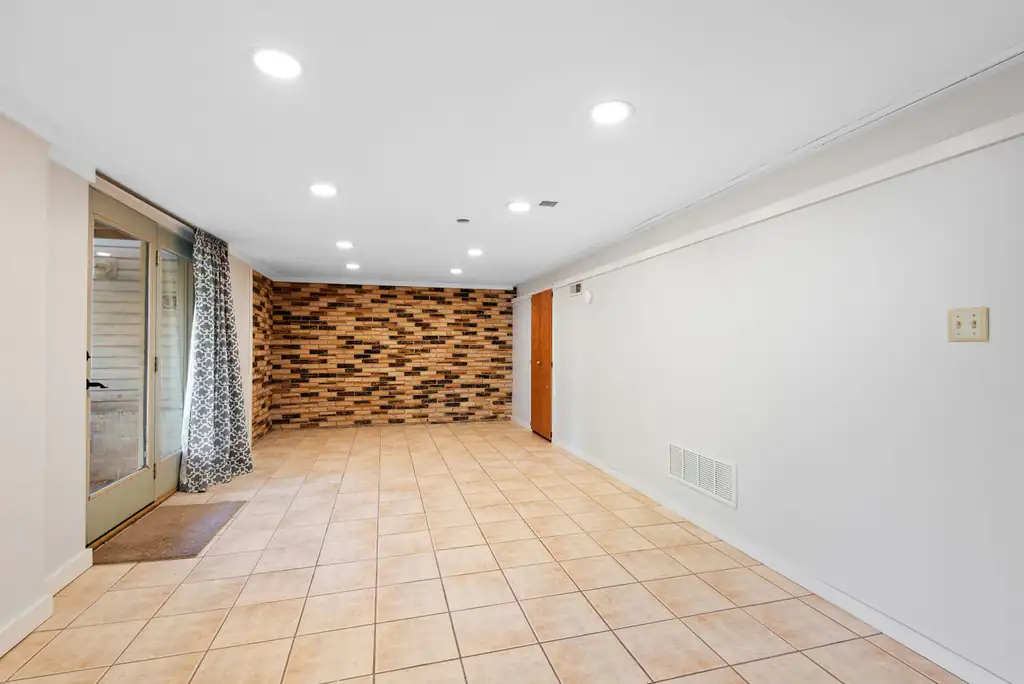
A sump pump moves water that has already collected out of the basement; an interior perimeter (French) drain collects that water and routes it to the pump. They are not either/or — most wet-basement systems use a perimeter drain feeding a sump, alongside exterior fixes.
When a basement keeps getting wet, homeowners often ask whether they need a sump pump or a French drain, as if the two were competing options. They are not. A sump pump moves water that has already collected up and out of the basement; an interior perimeter drain — the French drain — is what collects that water in the first place and routes it to the pump. In most wet basements the honest answer is not one or the other, it is both, working together alongside fixes outside the house.
A sump pump is the muscle at the end of the line. It sits in a pit, called a sump, at the lowest point of the basement floor. When water rises in that pit to a set level, a float switch turns the pump on, and the pump lifts the water up through a pipe and discharges it away from the house. Left to itself, a bare sump pit only drains the water that happens to reach it — a puddle right at the low corner, say. It is very good at getting collected water out, and it does nothing to gather water from the rest of the room. If you want the mechanics of that lift, our guide on how a sump pump works covers it in detail.
An interior French drain is the collector. It is a channel or perforated pipe installed along the inside perimeter of the basement, set under or beside the slab near the footing where the wall meets the floor. Water that seeps in along that joint or through the slab edge is caught by the channel instead of spreading across the floor, and gravity carries it around the perimeter to the sump pit. On its own, a French drain only helps if the water it gathers has somewhere lower to go — and in most basements it does not, because the basement is already the lowest point in the house.
That is the whole reason the two belong together. The French drain gathers the water from everywhere; the sump pump lifts it out. One collects, the other evacuates. Our broader overview of interior basement drainage systems treats them as the two halves of a single system, which is the most accurate way to picture it.
Both a French drain and a sump pump manage water that has already reached the foundation. Neither stops water from arriving. If they are the only measures in place, you are managing water indefinitely rather than reducing why it shows up.
Picture the water path. Saturated soil presses groundwater against and under the foundation. Some of it finds the wall-floor joint and enters. The French drain catches it there, before it can spread, and channels it to the low point. At the low point, the sump pump raises it and sends it outside, ideally far enough that it does not simply soak back toward the house. Remove either piece and the system limps: a drain with no pump has collected water that sits in the pit with nowhere to go; a pump with no drain sits in a dry pit while water pools on the far side of the room.
There is a third piece that both of these depend on, and it lives outside. Exterior fixes — extending downspouts, correcting grading so soil slopes away from the house, keeping gutters clear — cut the volume of water reaching the foundation in the first place. The interior drain and pump are the backstop for whatever gets past those. Spending on an interior system while a downspout still empties against the wall means paying to pump water you could have kept away for far less.
| Feature | Sump pump | Interior French drain |
|---|---|---|
| Main job | Lifts collected water out | Collects water and routes it to the pit |
| Where it sits | In a pit at the low point | Along the inside perimeter at the footing |
| Works alone? | Only for water that reaches the pit | Only if it can discharge lower by gravity |
| Typical partner | The perimeter drain that feeds it | The sump pump it drains into |
| Role in the water path | Evacuation | Collection |
| Installation disruption | Setting a pit and pump | Breaking and repouring perimeter slab |
Read across the rows and the “versus” framing dissolves. The pump and the drain sit at different points in the same water path — one gathers, one evacuates — which is why a wet-basement system usually contains both.
Installing an interior French drain is heavy, disruptive work — it usually means cutting into and repouring part of the slab and setting a sump — and for most homes it belongs with a qualified contractor. Certain signs call for professional eyes before anything: leaking or moving cracks, sewage backups, water rising broadly through the slab, and large or health-related mold. Keep any mold cleanup small and safety-first, and route bigger or health-related growth to a specialist. A sump pump and a French drain are not rivals to choose between; they are two parts of one backstop, most effective when the source outside is handled too.
FAQ
Neither is simply better, because they do different jobs. A French drain collects water that reaches the basement and a sump pump lifts that collected water out. Most systems use both together rather than choosing one.
You can, and it can help where water collects at one low point. But a bare pit only drains water that reaches it. A perimeter drain feeds water to the pit from all around the basement, which is why the two are usually paired.
Only if the drain can discharge by gravity to a lower outlet, which many basements cannot do. When the collected water has nowhere lower to go, a sump pit and pump lift it out. In most basements the drain needs the pump.
No. An interior perimeter drain sits inside at the footing and catches water that gets in. An exterior drain sits outside the foundation to keep water away. This article is about the interior version that feeds a sump.
No. Both manage water that is already reaching the foundation. They do not stop water arriving. Exterior grading, gutters, and downspouts address the source, and the interior drain and pump are the backstop for what still gets through.
They manage the water, not the structure. A leaking or widening crack needs professional evaluation. A drainage system may reduce the wet symptom, but it does not repair or explain the crack.
Setting a pump in an existing pit is sometimes DIY. Installing an interior perimeter drain usually means cutting and repouring part of the slab, which is heavy, disruptive work most homeowners hand to a contractor.
Keep reading
A clear comparison of wet-basement solutions — from gutters and grading to interior drainage, sumps, and waterproofing — and how to match the fix to the leak.
A step-by-step guide to drying out a flooded basement safely, in the right order, and knowing when to call for help.
How interior and exterior basement waterproofing differ, what each actually controls, and why many wet basements end up using both.