Sump Pump vs French Drain
Sump pump vs french drain compared — how each moves water, where gravity runs out, cost and maintenance trade-offs, and why the two often work together.
Sump Pumps & Interior Drainage
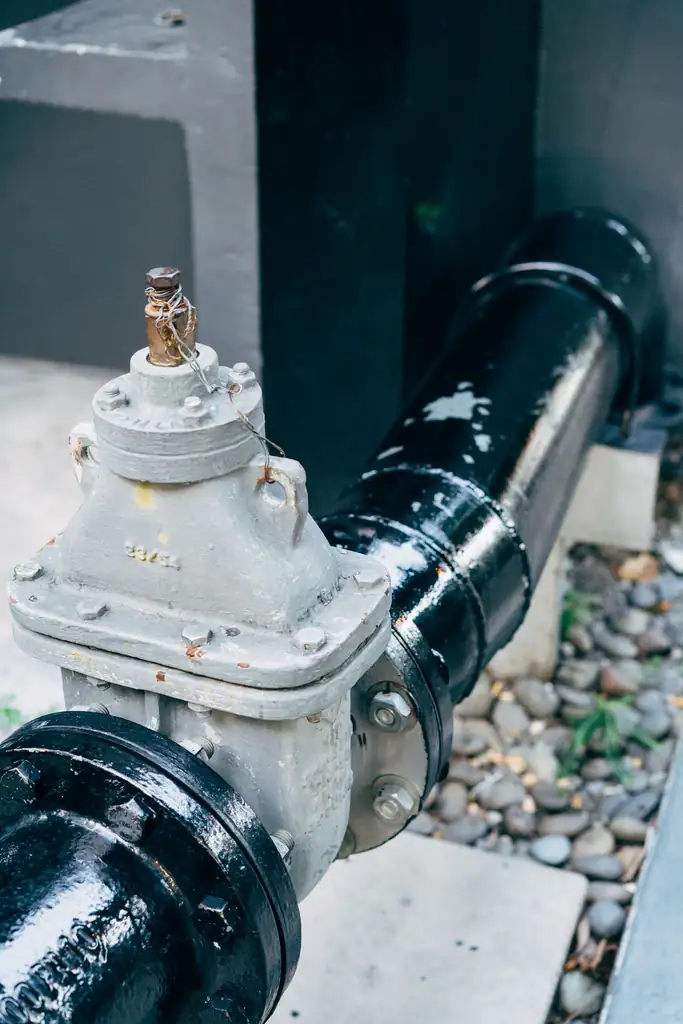
A sump pump sits in a pit at the low point of a basement or crawl space, collects water that reaches it through interior drains or rising groundwater, and pumps it up and out away from the house. It is a last line of defense — a backup to good exterior drainage, not a replacement for it.
A sump pump sits in a pit at the lowest point of your basement or crawl space. Water that collects around your foundation reaches that pit — through interior drains or by rising up through the soil — and when it gets high enough, the pump switches on and pushes it up and out, away from the house. That is the whole job. It is a last line of defense: a backup for good exterior drainage, not a substitute for it.
If you understand nothing else about a sump system, understand that order. The pump only ever deals with water that has already arrived at the pit. Everything that keeps water away from the foundation in the first place — grading, gutters, downspout extensions — does the heavier lifting. The sump is there for the water those defenses miss.
A “sump” is just a collection point at a low spot. In a house, that means a pit dug into the basement or crawl-space floor, deep enough that any water in the surrounding soil or interior drain lines flows toward it and pools there instead of spreading across the slab. The pump lives in that pit and empties it on demand.
You will find sump systems most often in homes with basements below the water table, in areas with heavy seasonal rain or snowmelt, or anywhere groundwater tends to rise after a storm. If you have ever wondered why a basement gets wet after rain, a sump pit is one of the answers — it gives that water a place to go and a way out.
A sump system has only a handful of components, and each has one clear job.
| Component | Its job |
|---|---|
| Sump pit (basin) | The reservoir dug into the floor at the low point; collects water so the pump has one place to draw from |
| Pump | The motor and impeller that lift water up and out of the pit |
| Float switch | Senses the water level and turns the pump on and off automatically |
| Check valve | A one-way valve on the discharge pipe that stops pumped water from draining back into the pit |
| Discharge line | The pipe that carries water up out of the pit and away from the foundation |
| Backup power/pump | A battery or water-powered system that keeps protection running when the main pump loses power |
The pump itself comes in two common styles. A submersible pump sits down inside the pit, fully sealed against water. It runs quietly, stays out of sight, and usually handles a larger volume of water and small bits of debris. A pedestal pump keeps its motor mounted on a shaft above the pit, with only the intake down in the water. It tends to be easier to reach and service, often costs less, and can last a long time because the motor stays dry — but it is noisier and more exposed.
Neither is universally “better.” The right choice depends on how big your pit is, how much water you typically get, and how much you care about noise.
The operating cycle is simple and repeats every time water builds up:
A healthy pump spends most of its life doing nothing. It should only run when there is water to move.
The pit does not fill by magic. In most homes, water reaches it through one or more of these paths:
All of these are downstream of what is happening outside. When water pools near the foundation, it soaks into the ground right where you least want it, saturates the soil against the wall, and eventually shows up in the pit.
The discharge line is where a lot of sump systems quietly fail. Its whole purpose is to carry water far enough from the house that it does not simply seep back down to the pit. If the pipe dumps right at the foundation, you have built a loop: the pump lifts the water a few feet, it drains straight back into the soil, and the pump runs again. That wastes the pump and keeps the ground around your foundation permanently wet.
In cold climates, the discharge line can freeze. Water left standing in a flat or uphill run turns to ice, blocks the pipe, and leaves the pump with nowhere to send water — which can burn out the motor. Slope the run so it drains, and keep the outlet clear of snow and ice.
Aim to release the water onto ground that slopes away from the house, or into a drainage point your local code allows. The exact distance depends on your lot, but the principle is fixed: the farther and more downhill, the better.
Here is the cruel timing problem with sump pumps: the storms that produce the most groundwater are also the storms that knock out the power. When you need the pump most, the grid is often down — and a standard pump plugged into the wall is dead the moment the lights go out.
That is why a backup is not a luxury. A battery backup pump kicks in automatically when power fails and runs off a dedicated battery. A water-powered backup uses your home’s water pressure to move sump water and needs no electricity at all, though it does consume municipal water while running. Either one buys you protection during exactly the window when the main pump can’t help.
A sump pump is easy to ignore because it does nothing visible for months at a time. Then a storm arrives and you find out whether it works. A little routine testing removes that gamble.
Do a full check every few months, and again right before your wet season.
A sump pump is a genuinely valuable device, but it is worth being clear-eyed about what it does. It manages water that has already gotten in. It does not stop water from reaching your foundation, and it does not fix why the water is there.
That is why a sump belongs at the end of your drainage strategy, not the start. The real defense is keeping water away from the house: gutters and downspouts that carry roof water off, and soil that slopes away from the walls. Getting your foundation grading basics right does more to keep a basement dry than any pump, because it addresses the water before it ever becomes the pump’s problem. Think of the sump as the safety net under a well-graded lot — not the lot’s replacement.
Choosing a pump and pouring a test bucket are homeowner tasks. Wiring and plumbing are not. A sump pump ties into your home’s electrical system — ideally on a dedicated, properly grounded circuit — and into a discharge that has to be routed correctly to meet local code. Getting the electrical or plumbing wrong is a safety and water-damage risk, not just an inconvenience.
If you are installing a new system, adding a backup, or moving a discharge line, have a licensed electrician and, where needed, a licensed plumber handle that part. Pair that with an honest look at your exterior drainage, and the sump can do what it is meant to do: quietly catch what everything else missed.
FAQ
No. A properly working pump sits idle until water in the pit rises high enough to lift the float switch, which turns the motor on. It runs only long enough to pump the pit down, then shuts off. Constant cycling usually points to a high water table, a stuck float, or a pit that is too small.
Well away from the foundation — a common target is at least 10 feet out — onto ground that slopes away from the house, or into a storm-safe drainage point allowed by your local code. Never let it dump right next to the wall, where the water simply drains back down to the pit.
A standard pump stops. Because the same storms that overload a sump also knock out power, this is exactly when you are most exposed. A battery backup or water-powered backup pump keeps some protection running while the main pump is dark.
A quick test every few months is reasonable, and again before any wet season. Pour a bucket of water into the pit and confirm the float rises, the pump kicks on, the pit empties, and the pump shuts off. Also check that the discharge is actually moving water outside.
Not by itself. A sump manages water that has already reached the pit. If your grading slopes toward the house or your gutters dump at the foundation, the pump is fighting a losing battle. Fix the exterior drainage first; treat the sump as the backup.
Both move water. Submersible pumps sit in the pit, run quieter, and generally handle more water and small debris. Pedestal pumps keep the motor up out of the water, are easier to service, and often cost less. The right pick depends on pit size, how much water you get, and noise tolerance.
A discharge line that runs uphill, sits in a long flat run, or ends in a low spot can hold water that freezes and blocks the pipe. A frozen line has nowhere to send water, so the pump can burn out. Sloped runs, freeze-resistant fittings, and clearing the outlet help.
Keep reading
Sump pump vs french drain compared — how each moves water, where gravity runs out, cost and maintenance trade-offs, and why the two often work together.
A simple sump pump maintenance and testing routine — pour-test the pit, clean it out, check the float and check valve, confirm the discharge, and test the backup.
How to tell whether you need a sump pump — signs that point yes, situations that point no, and why a sump manages water rather than preventing it.