Rain Garden vs Bioswale
Rain garden vs bioswale explained — catch-and-soak versus convey-and-soak, a side-by-side comparison table, where each fits, and how to decide (or use both).
Rain Gardens & Stormwater
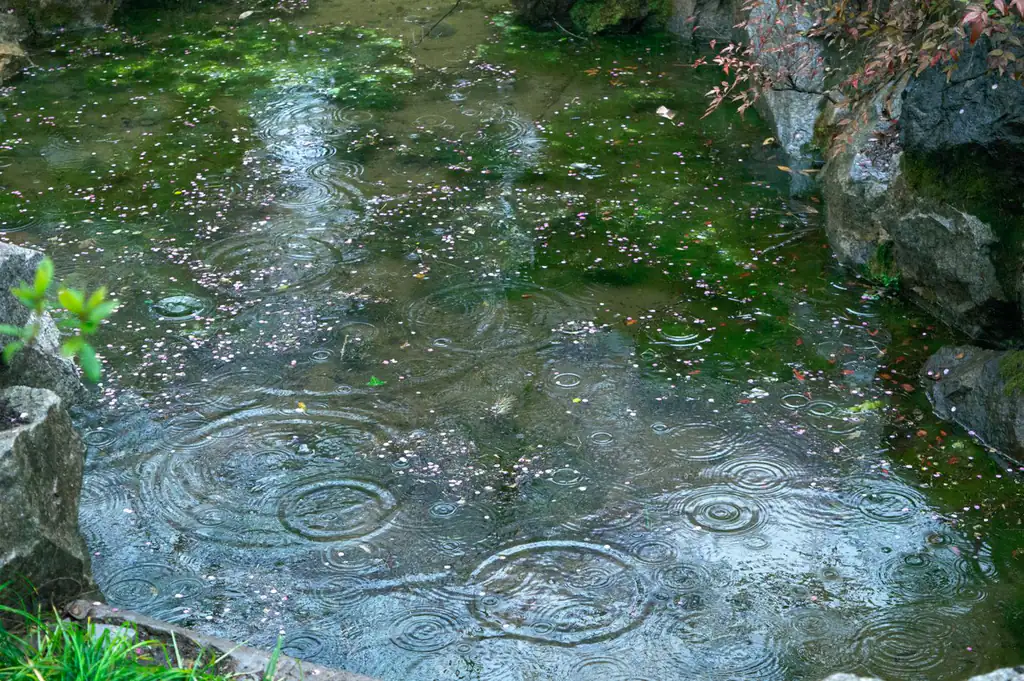
A rain garden is a planted basin that catches and soaks in runoff in one spot; a bioswale is a longer, gently sloped planted channel that conveys and infiltrates water as it moves. Gardens suit a low point; swales suit moving water along a route to an outlet.
A rain garden and a bioswale do related jobs in different shapes. A rain garden is a planted basin that catches runoff in one spot and soaks it into the ground. A bioswale is a longer, gently sloped planted channel that moves water along a route while infiltrating as much as it can on the way. Put simply, a rain garden suits a low point where water collects, and a bioswale suits water that needs to travel from one place to another.
Both features manage stormwater with plants and soil instead of pipes, and both slow runoff so more of it soaks in rather than rushing off your property. The difference is geometry and intent.
A rain garden is about a destination. Water arrives, pools briefly in a shallow basin, and infiltrates. It is the right tool where runoff already wants to collect, at the base of a downspout, in a natural low spot, at the bottom of a slope. If that describes your situation, start with what is a rain garden.
A bioswale is about a route. It is a shallow, planted channel with a gentle slope that carries water along its length toward an outlet, letting some infiltrate as it goes. It is the right tool where water needs to move, along a driveway, across a yard, toward a lower area, without becoming a bare erosive ditch. Because a swale is fundamentally about shaping grade, it belongs to the same family as yard grading and swales.
The rain garden’s whole design assumes water will sit briefly and drain down within a day or two. It has an inlet, a basin sized to its drainage area and soil, and an overflow for storms bigger than it was built for. It does not move water anywhere; it ends water’s journey by absorbing it.
The bioswale’s design assumes water is passing through. Its gentle slope keeps water moving so it does not stall, while its plants and rough surface slow that movement enough for infiltration to happen along the way. Too flat and it ponds; too steep and it scours. The channel has a defined path and an outlet where whatever it did not absorb is released safely.
Both features should sit a safe distance from your foundation and septic drainfield, and both involve digging, so contact your utility locating service before you start. The right slope, size, and setbacks depend on your soil, area, and local guidance, so treat any figures as starting points to verify locally.
| Feature | Rain garden | Bioswale |
|---|---|---|
| Primary job | Catch and infiltrate in one spot | Convey and infiltrate along a route |
| Shape | Shallow basin | Long, gently sloped channel |
| Slope | Roughly level bottom | Gentle slope toward an outlet |
| Best for | A low point or downspout | Moving water across a distance |
| Water’s path | Ends there | Passes through to an outlet |
| Key upkeep | Clear inlet and overflow | Keep channel clear and slope intact |
| Overflow | Notch to a safe area | Outlet at the downhill end |
Choose a rain garden when water pools in a spot and you want it gone into the ground: a downspout discharge, a soggy low corner, the foot of a gentle slope. The question is how big to make the basin, which comes down to drainage area and soil, covered in how to size a rain garden.
Choose a bioswale when water needs to get from A to B without a hard pipe or a raw ditch: guiding runoff along a property edge, carrying downspout or driveway water toward a lower area, or connecting one feature to another. The question is what slope moves water without eroding, which is a grading problem.
And often the best answer is both: a bioswale conveys and slows water, then hands it to a rain garden that catches and infiltrates the rest.
Ask one question first: does the water need to stop here, or go somewhere? If it collects and you want it absorbed on the spot, build a rain garden. If it needs to travel to an outlet while soaking in along the way, build a bioswale. If it needs to do both, chain them. Then let your soil, slope, and local guidance set the specifics; there are no universal sizes or slopes that fit every yard.
Rain gardens and bioswales are two shapes of the same idea: manage stormwater with soil and plants rather than pipes. A rain garden catches and soaks in one place; a bioswale conveys and soaks along a route. Match the shape to whether your water needs to stop or to travel, and consider using both together. For the conveyance side, dig into yard grading and swales; for the catch-and-soak side, start with what is a rain garden.
FAQ
A rain garden catches runoff in one place and soaks it in, so it is a basin. A bioswale moves water along a gently sloped, planted channel while soaking in as much as it can along the way, so it is a route. One is about holding and infiltrating in a spot; the other is about conveying and infiltrating over a distance.
If you have a low point or a downspout where water collects, a rain garden usually fits. If you need to move water from one place to another, along a property edge or toward an outlet, while still letting some soak in, a bioswale or planted swale fits better. The right choice depends on your slope, soil, and where the water needs to end up.
Yes, and they often pair well. A bioswale can convey water and slow it down, then deliver it to a rain garden that catches and infiltrates the remainder. Combining them lets you manage water along a route and at a destination.
Not quite. A plain ditch just moves water away as fast as possible. A bioswale is planted and gently sloped so it slows water and lets some infiltrate as it travels, which reduces how much runoff leaves your property compared with a bare ditch.
It needs a gentle slope to move water along its length toward an outlet. Too flat and water stalls; too steep and it erodes. Getting that gentle grade right is the heart of building a swale, which is a grading question more than a planting one.
Both are relatively low maintenance once established. A rain garden's key upkeep is its inlet and overflow; a bioswale's is keeping the channel clear and the slope intact so it keeps conveying. Neither is maintenance-free.
Broadly similar categories of moisture-tolerant, regionally appropriate plants work in both, placed according to how wet each zone stays. As always, choose plants suited to your hardiness zone and local conditions rather than a fixed species list.
Keep reading
Rain garden vs bioswale explained — catch-and-soak versus convey-and-soak, a side-by-side comparison table, where each fits, and how to decide (or use both).
A rain garden soaks surface runoff into a planted basin; a French drain carries subsurface water away. Here is how they differ and how to choose.
Rain garden vs dry well — one infiltrates runoff through a planted surface basin, the other underground and out of sight. Compare habitat, space, maintenance, and clog visibility to choose.