How to Drain Water Away From Your House
Roof water, ground slope, and a real outlet decide whether water stays away from your house. A practical order for tackling water near the foundation.
Drainage
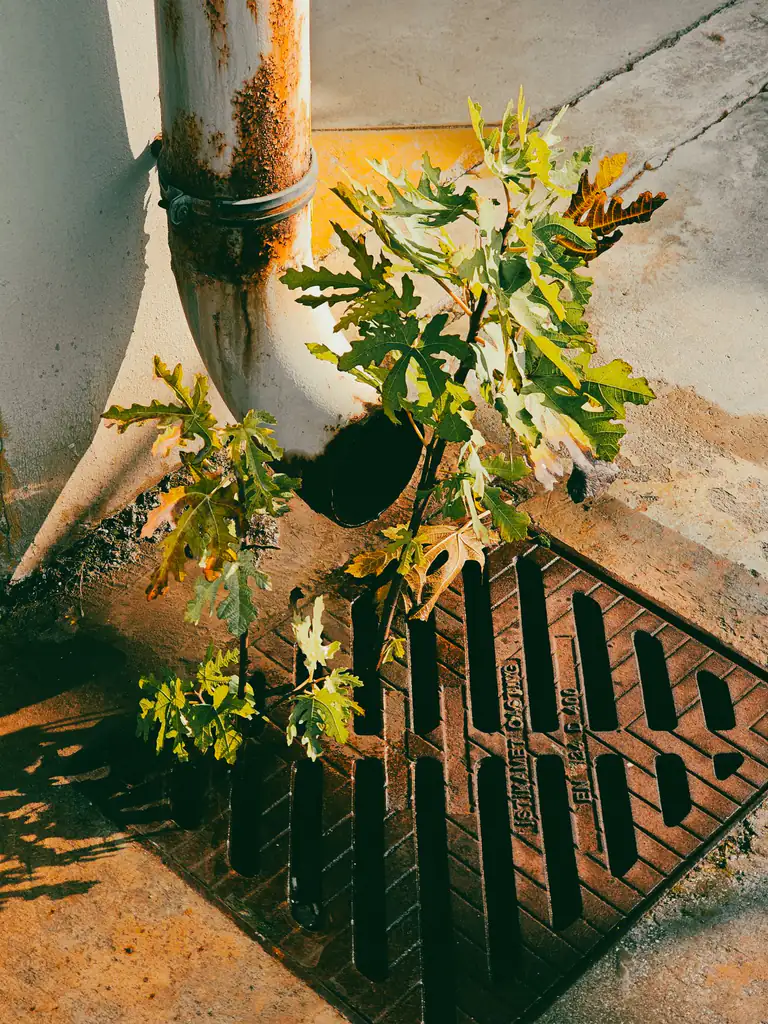
Grading shapes the ground so water flows where you want, and a swale is a shallow, planted channel that carries surface water to an outlet. Together they solve many yard-drainage problems without pipes — but they need a real low point to drain toward.
Grading shapes the ground so water runs where you want it, and a swale is a shallow, planted channel that carries that surface water to an outlet. Used together, they solve a surprising share of yard-drainage problems with no pipe at all. The one requirement they cannot escape is the same as every other drainage method: a real low point to drain toward.
These are the low-tech, work-with-gravity end of drainage, and they are often the first thing to reach for.
Grading is the shape of your ground. Every yard has a topography, and water reads it perfectly — it flows downhill, collects in the flat and the low, and ignores your intentions entirely. Grading is the deliberate reshaping of that surface so the flow goes where you choose: away from the house, around the patio, toward a spot that can handle it. Done right, grading means water never gets a chance to pool because there is nowhere flat or reversed for it to sit.
A swale is a defined channel within that graded surface — a broad, shallow, usually grass-lined depression that gathers surface water and guides it along a route. Think of it as a gentle dry stream bed built into the lawn. It is not a ditch and not a trench; a good residential swale is subtle enough to mow across and easy to miss until it rains.
The two work as a pair. Grading sets the general fall of the land; the swale is the concentrated path that carries the water the grade delivers to it.
The core concept is positive slope — ground that falls away from a reference point so water moves off rather than sitting or running back. Around a house, that reference point is the foundation, and getting positive slope away from it is the most important grading goal you have. Water that runs toward a foundation is the start of most basement and crawlspace trouble; water that runs away is drainage doing its job.
This is where grading connects directly to the health of the structure. Our primer on foundation grading basics goes deeper on the slope around the house specifically. For the rest of the yard, the same principle scales up: identify the high ground and the low ground, and make sure every surface tilts, however gently, from one toward the other with no dead-flat traps in between.
Exact slope numbers depend on soil, flow, and how the surface is stabilized, so treat any single figure with caution. Too little fall and water stalls and stagnates; too much and a grass swale erodes into a gully. The right amount is site-specific — match it to your ground rather than a rule of thumb.
A swale is more design than construction, but the shape matters. In broad strokes:
If you are chasing a specific soggy patch rather than rerouting the whole yard, our guide to fixing standing water in a yard walks through diagnosing why the water sits before you decide whether grading, a swale, or a drain is the fix.
| Situation | Grading & swales fit? | Why |
|---|---|---|
| Broad soggy lawn from flat/reversed slope | Yes, strongly | Reshaping the surface removes the flat where water sits |
| Water sheeting toward the house | Yes | Regrading to positive slope sends it away |
| A defined route to a lower outlet exists | Yes | The swale has somewhere to deliver water |
| No low point anywhere on the lot | Not on their own | Nothing to drain toward; may need infiltration or piping |
| Water trapped by paving with no surface route | Limited | Often needs a channel drain and pipe instead |
| Very tight side-yard between houses | Limited | Little room to shape a broad channel |
The pattern: grading and swales excel at moving surface water across open ground toward a reachable low point. Where any of those conditions fails — buried water, no room, nowhere lower — pipes or infiltration start to earn their place.
This is the sentence to remember: a swale carries water; it does not consume it. Every swale has to end somewhere lower that can actually accept the flow — a natural low area, a rain garden or infiltration bed in draining soil, a drain inlet, or a ditch or street where local rules permit. A swale that dead-ends against a fence or a high spot has simply moved the puddle to its low end and called it drainage.
And where the water finally lands is not entirely your call. Directing concentrated surface flow onto a neighbor’s lot or into the public right of way can cause damage and may violate local ordinances. Where you are allowed to discharge surface water is often regulated, so confirm what is permitted before routing water off your property.
Grading and swales are the quiet workhorses of yard drainage — no pipes, no pumps, no parts to fail, just the ground shaped to send water where you want it. Start with positive slope away from the house, shape a broad and continuously falling channel, stabilize it, and above all make sure it drains to a real low point you are allowed to use. Get those right and much of a wet yard fixes itself.
FAQ
Grading is shaping the overall surface of the ground so water runs in the direction you want. A swale is a specific shallow channel, usually planted, that concentrates and carries that surface water along a path to an outlet. Grading sets the general fall; a swale is a defined route within it.
Positive slope means the ground falls away from a starting point — typically the house — so water flows outward rather than pooling or running back. Achieving positive slope away from the foundation is the single most important grading goal around a home.
Most residential swales are simply shaped soil planted with grass, which holds the soil and slows the water. Steeper or higher-flow swales may need rock or erosion matting in the channel. The planting is what keeps a grassed swale from washing out over time.
Often yes. Many yard drainage problems come from flat or reversed slope, and reshaping the surface to drain toward an outlet solves them with no buried pipe at all. Pipes become necessary mainly when there is no surface route to a low point.
It has to end somewhere lower that can accept it — a natural low area, a rain garden, a street or ditch where allowed, or a drain inlet. A swale that dead-ends with nowhere to release simply relocates the puddle to its low end.
Enough to keep water moving without carving a gully, but the right amount depends on your soil, flow volume, and how the channel is stabilized. There is no universal figure; too little and it stagnates, too much and it erodes. Match it to the site.
Not automatically. Where you may discharge surface water can be regulated, and pushing concentrated flow onto a neighbor or into the public right of way can cause problems or violate local rules. Confirm what is allowed before you route water off your lot.
Keep reading
Roof water, ground slope, and a real outlet decide whether water stays away from your house. A practical order for tackling water near the foundation.
Grading shapes the ground so water runs away from the house to a safe outlet. How positive slope, swales, and a real outlet work together to keep a yard dry.
Standing water in your yard? Diagnose the cause first, then match the fix — regrading, a swale, French drain, dry well, or soil work.