Rain Garden Winter Care
What a rain garden needs in winter — clearing the inlet and overflow before freeze-up, leaving stems standing, and keeping de-icing salt out of the basin. A season of protection, not tending.
Rain Gardens & Stormwater
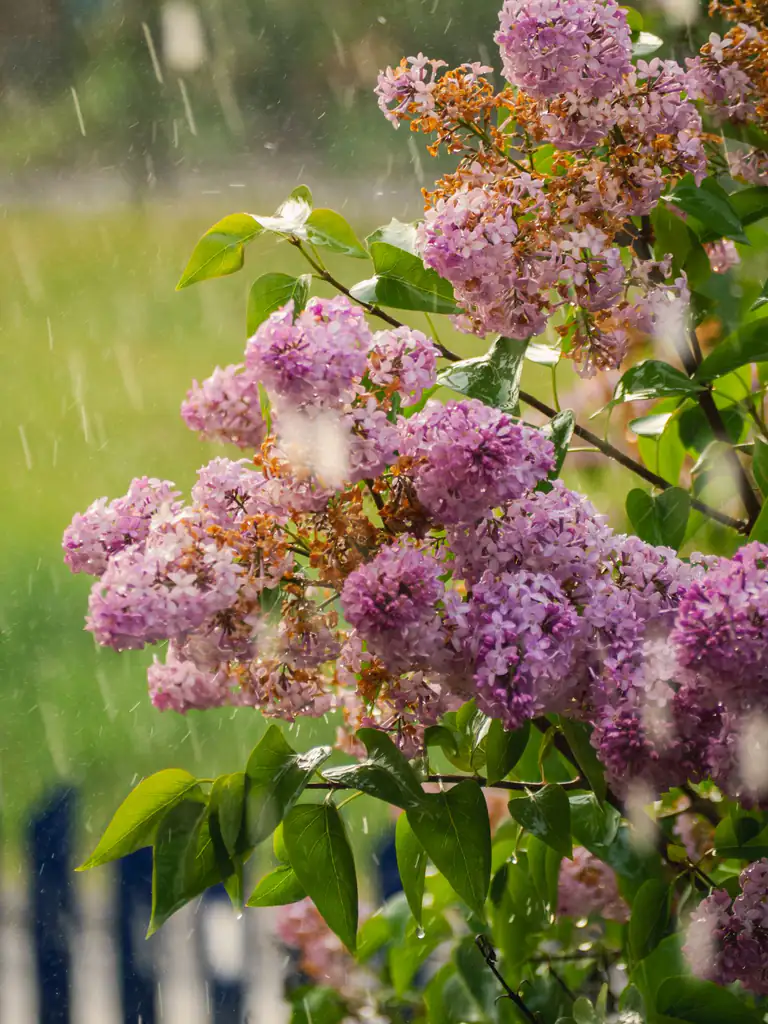
A rain garden needs light, seasonal care — weeding while plants establish, refreshing mulch, clearing the inlet and overflow, and cutting back plants. Once established it mostly runs itself, but a clogged inlet or overflow is the usual reason one stops working.
A rain garden asks for light, seasonal care rather than constant attention. The work falls into a few buckets: weeding while the plants establish, topping up mulch, clearing the inlet and overflow, and cutting back plants at the right time of year. Once it matures the garden largely runs itself, and when one does stop working the culprit is almost always a clogged inlet or overflow rather than anything wrong with the plants.
If you remember nothing else, remember this: keep water able to get in and get out. A rain garden works because runoff enters at the inlet, soaks into the basin, and any excess leaves through the overflow. Both of those points collect leaves, mulch, and sediment over time, and a blocked inlet or overflow is the single most common reason a rain garden appears to fail. Everything else is secondary to keeping those two points clear.
If your garden has started ponding or sending water the wrong way, check the inlet and overflow before you assume the soil has failed. For the fundamentals of how the basin is supposed to behave, see what is a rain garden.
Maintenance changes sharply after the first year or two.
Establishment (roughly the first one to two seasons). Young plants are not yet competing well, so this phase is the most hands-on. Expect regular weeding, consistent watering while roots develop, and replacing any plants that do not take. This is also when you learn how the garden behaves in real storms and can fix small issues, a low spot in the berm, an overflow that scours, before they grow.
Mature care. Once the intended plants have filled in and shaded the soil, they suppress weeds on their own and rely mostly on rainfall. Care drops to seasonal maintenance: clearing debris, refreshing mulch, cutting back, and occasional sediment removal.
If the basin holds water for days even with a clear inlet and overflow, the issue is likely soil compaction or infiltration, not maintenance. Revisit the drainage rather than adding more mulch on top. Local guidance on managing infiltration practices varies, so check what applies in your area.
Timing depends on your climate and plant categories, so treat this as a rhythm rather than a fixed calendar.
| Season | Task | Purpose |
|---|---|---|
| Spring | Cut back last year’s stems; check for winter damage | Clears the way for new growth |
| Spring | Clear the inlet and overflow of debris | Restores flow before spring rains |
| Growing season | Weed regularly while plants establish | Keeps weeds from outcompeting young plants |
| Growing season | Water new plantings in dry spells | Helps roots establish |
| Late summer | Remove sediment from the inlet area | Prevents the surface from sealing |
| Fall | Clear fallen leaves from inlet and overflow | Stops autumn debris from blocking flow |
| Fall/Winter | Top up mulch; leave stems for habitat if desired | Maintains cover; supports overwintering wildlife |
The inlet, where runoff arrives, and the overflow, where excess leaves, are the maintenance points that repay attention.
At the inlet, sediment and mulch tend to pile up and can seal the soil surface, slowing infiltration across the whole basin. Rake it clear and remove accumulated sediment periodically so water spreads in as intended.
At the overflow, leaves and debris collect exactly where you least want a blockage. If the overflow clogs, a big storm has nowhere safe to go, and water can back up or find its own destructive path. Keep the notch or spillway clear, especially heading into your wettest season.
Mulch breaks down and migrates toward the center over time. Top it up about once a year to keep a consistent layer that suppresses weeds and cushions incoming water against erosion. Do not pile it so thick that it blocks water from reaching the soil.
Cutting back is usually a late-winter or early-spring job, before new growth begins. Many gardeners leave standing stems through winter for habitat and structure, then cut them down as the season turns. The right timing follows your climate and the plant categories you chose rather than a universal date, which is why matching plants to your region matters, see rain garden plants and zones.
A rain garden is low-maintenance, not no-maintenance. Give it attentive weeding and watering while it establishes, then settle into a seasonal rhythm of clearing the inlet and overflow, topping up mulch, removing sediment, and cutting back. Keep water able to enter and exit and the garden will keep doing its job for years. To make sure your planting is matched to your climate so mature care stays light, review rain garden plants and zones.
FAQ
Less than most garden beds once it is established. The first year or two require regular weeding and watering while plants take hold. After that, care drops to seasonal tasks like clearing the inlet and overflow, refreshing mulch, and cutting back plants. The main ongoing job is keeping water able to get in and out.
The most common reason is a clogged inlet or overflow. Leaves, mulch, and sediment build up where water enters or leaves and quietly block flow. Clearing those points usually restores drainage. If the basin itself holds water for days even with a clear inlet, the soil may be compacting and need attention.
Many gardeners leave standing stems through winter for habitat and interest, then cut back in late winter or early spring before new growth. Timing depends on your climate and plant categories, so follow what suits your region rather than a fixed date.
Not entirely. You top up mulch as it breaks down or washes toward the center, usually once a year, to keep a consistent layer that suppresses weeds and reduces erosion. Avoid piling it so deep that it blocks water from reaching the soil.
During establishment, check every couple of weeks in the growing season. Pulling weeds while they are small keeps them from outcompeting your young plants. Once the intended plants fill in and shade the soil, weeding pressure drops considerably.
Established rain gardens usually rely on rainfall, but during extended drought even tolerant plants may need occasional water. Newly planted gardens need regular watering through the first season or two to root in.
Remove accumulated sediment from the inlet area periodically so it does not seal the surface and slow infiltration. Catching sediment before it spreads across the basin keeps the whole garden draining as designed.
Keep reading
What a rain garden needs in winter — clearing the inlet and overflow before freeze-up, leaving stems standing, and keeping de-icing salt out of the basin. A season of protection, not tending.
Whether rain gardens attract mosquitoes, why a well-drained one should not, and how to fix a garden that holds water too long — the real cause of mosquito worries.
How big a rain garden should be, and what actually sets the size — drainage area, soil infiltration, and basin depth — plus a factors table and common sizing mistakes.