Foundation Drainage in Clay Soil
Why clay soil makes foundation drainage harder, why infiltration fails, and why the fix leans on keeping water away — grading, discharge, and engineered drains.
Foundation Protection
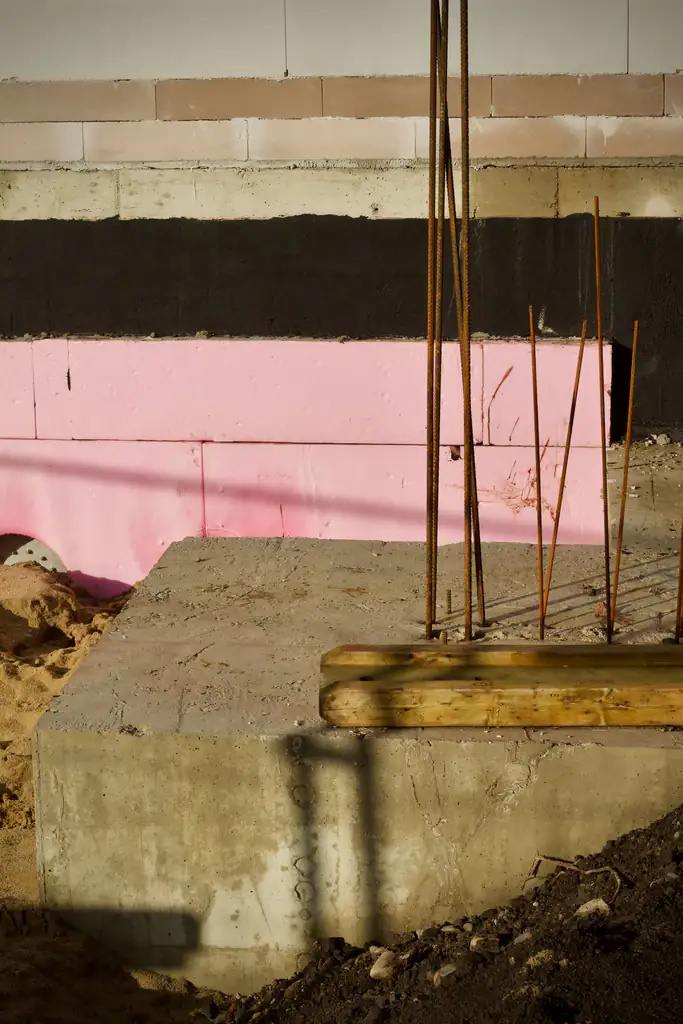
Grading is the slope of the soil around your house. The ground should fall away from the foundation for the first several feet so rain drains off instead of pooling at the wall. It is the cheapest and most fundamental defense against basement and crawl-space moisture.
Grading is the slope of the soil around your house, and it should fall away from the foundation for the first several feet so rain drains off into the yard instead of pooling at the wall. It is the cheapest and most fundamental defense you have against basement and crawl-space moisture — nothing else you do to manage roof water works well if the ground itself is sending water back toward the house.
This guide is about drainage: shaping the ground so water leaves the house on its own. That is different from waterproofing, which seals the below-grade structure against water that has already reached it. Keep the two separate in your mind. Grading is where most homeowners should start, and it’s work you can usually do yourself — with one important exception we’ll come back to at the end.
The grade is the slope of the finished ground surface. Around a foundation, the direction of that slope is what matters.
Negative grade is the single most common reason water pools near a foundation. Sometimes the house was built that way; more often the soil started out sloping away and then settled. Backfill placed against a foundation during construction is loose, and over the first several years it compacts and sinks. A strip of ground that once shed water can quietly settle into a low pocket that holds it.
You’ll often see a specific target: the ground should drop about six inches over the first ten feet away from the wall. That’s a useful mental picture, but treat it as a common guideline rather than an absolute rule. How much slope you actually need — and how much you can create — depends on your soil and your local code.
Heavy clay drains slowly and holds water against the wall, so it rewards a more pronounced slope. Sandy, fast-draining soil is more forgiving. Flat lots limit how much fall you can build before the slope runs into a patio, a walkway, or the property line. Check what your local building code specifies, since requirements vary by jurisdiction.
The practical test cuts through the numbers: after a rain, water should visibly run away from the wall. If it does, your grade is doing its job, whatever it measures.
You don’t need surveying gear. Three simple checks tell you almost everything.
| Sign | Grade | What it means | First move |
|---|---|---|---|
| Water runs off into the yard during rain | Positive | Slope is working | Maintain it; watch for future settling |
| Puddles sit against the wall after storms | Negative | Water is collecting at the foundation | Build up and re-slope the first several feet |
| Visible low spot or trough along the wall | Negative | Soil has settled into a pocket | Top-dress and compact to restore the slope |
| Mud line or staining on the foundation | Negative | Water is repeatedly reaching the wall | Regrade and check downspout discharge |
| Downspout dumps into a low area at the wall | Negative | Roof water is being concentrated at the base | Extend the downspout onto the graded slope |
The fix is straightforward in principle: add soil against the house and shape it so the ground falls away. The details are what keep it from causing new problems.
Add fill soil near the wall and taper it down and out into the yard, so the finished surface falls away consistently. Compact it as you go — loose soil will settle right back into the low spot you’re trying to fix. Many people use a firmer, clay-rich fill near the wall to shed water, then a few inches of topsoil over it to support grass. For a settled low spot, this is really just top-dressing: adding soil to rebuild the slope the ground has lost.
This is the rule that matters most, and the easiest to get wrong.
Never pile soil up against the siding. Raising the grade so high that dirt covers the siding, sits above the damp-proofing, or bridges over a stucco weep screed traps moisture against materials that were never meant to be buried. Keep several inches of foundation wall visible above the finished soil.
If your low spot is so deep that fixing the slope would bury the siding, you can’t simply keep adding dirt. That’s a sign the grade needs to be reworked farther out into the yard — or that the problem is bigger than surface soil and worth a closer look.
Grading and downspouts work as a pair. A downspout that discharges right at the wall dumps a roof’s worth of water onto the very ground you just shaped, overwhelming it in one spot. Extend downspouts so they discharge onto the graded area, several feet out, where the slope can carry the water away. Our guide on how far downspouts should extend covers target distances. Good grading and good discharge together are what actually keep the soil against the wall dry.
Patios, driveways, and walkways are graded surfaces too. If a slab was poured sloping toward the house, it sheds water straight to the foundation no matter how well the surrounding soil drains. You usually can’t re-slope a slab, so the fix is to catch the water at the edge — a channel drain, or regrading the strip of soil where the hardscape meets the house — rather than fighting it with soil alone.
A few well-meant moves cause new problems or hide the real one.
Reshaping soil against a sound foundation is DIY-friendly. Reshaping it against a foundation that’s in trouble is not.
If the wall you’re grading against shows cracks — especially horizontal cracks, stair-step cracks in block, or cracks that are widening — or looks like it’s bowing, leaning, or settling, stop. Those are structural signals, and grading is only one small part of the picture. Adding soil against a moving or cracked wall can even mask a problem that needs attention. Chronic water that keeps reaching the basement after you’ve corrected the grade points the same direction: something below grade needs a professional’s eyes.
In those cases, a foundation or waterproofing professional should assess the wall before you build soil against it. This guide can help you shed surface water off a healthy foundation; it can’t diagnose a failing one, and neither can a bag of topsoil.
Grading is the slope of the soil around your house, and the goal is simple: get the first several feet to fall away from the wall so rain leaves on its own. Check it by watching during a rain and running a string line, aim for a slope that visibly sheds water — the six-inches-over-ten-feet guideline is a starting point, not a rule — and build it up while keeping soil well below the siding and damp-proofing line. Point your downspouts onto that graded ground, and if the water keeps reaching the wall you may be dealing with a basement that gets wet after rain for reasons that run deeper than the surface. And if the foundation itself is cracked or moving, that’s where DIY grading ends and a professional begins.
FAQ
Grading is simply the shape and slope of the soil next to your house. A positive grade falls away from the wall, so rain runs off into the yard. A negative grade tilts back toward the house, so water collects against the foundation. Good grading is the first and cheapest thing standing between rainfall and a wet basement or crawl space.
A common guideline is that the ground should drop away from the house across the first several feet — often described as roughly six inches over the first ten feet. Treat it as a starting point, not a law. The right amount depends on your soil and your local code, and the practical test is that water visibly runs away from the wall rather than toward it or into a puddle beside it.
The easiest check is to watch during a steady rain and see which way the water actually moves. For a measurement, run a string line from the wall out several feet with a line level on it, or lay a level on a straight board. Also look for standing puddles after storms and for soil that has settled into low pockets against the wall.
Add soil against the house and shape it so the ground falls away, then compact it and top-dress with topsoil. Build the slope up near the wall and taper it out into the yard. The key limit is that you must keep the soil below the siding and damp-proofing line — never pile dirt up against the siding to chase a puddle.
Only up to a point. You want to restore a slope away from the wall, but you should not raise the grade so high that soil covers the siding, sits above the damp-proofing, or bridges over a stucco weep screed. Keep several inches of foundation wall visible above the finished soil so those materials can breathe and shed water.
No. Grading and drainage move surface water away from the house so it never sits against the wall. Waterproofing seals the below-grade structure so water that does reach it cannot pass through. This guide is about grading and surface water. If water is already coming through the wall, that is a waterproofing and possibly a structural question for a pro.
When the grading problem sits next to a foundation that is cracking, settling, or moving. Adding and reshaping soil is DIY-friendly on a sound wall, but cracks, bowing, or a foundation that has clearly settled are structural signals. In those cases the grading is only part of the picture, and the wall itself needs a professional evaluation before you build soil against it.
Keep reading
Why clay soil makes foundation drainage harder, why infiltration fails, and why the fix leans on keeping water away — grading, discharge, and engineered drains.
A step-by-step guide to regrading soil around a foundation — building up, sloping away, keeping below the siding, and choosing and compacting the right soil.
The visible warning signs of a foundation drainage problem, how to tell a drainage issue from a structural one, and when to call a professional.