Basement Humidity and Dehumidifiers
A basement can stay damp from humidity alone, no leak required. What a dehumidifier does and doesn't do, and how to pair it with drainage and ventilation.
Basement & Crawl Space
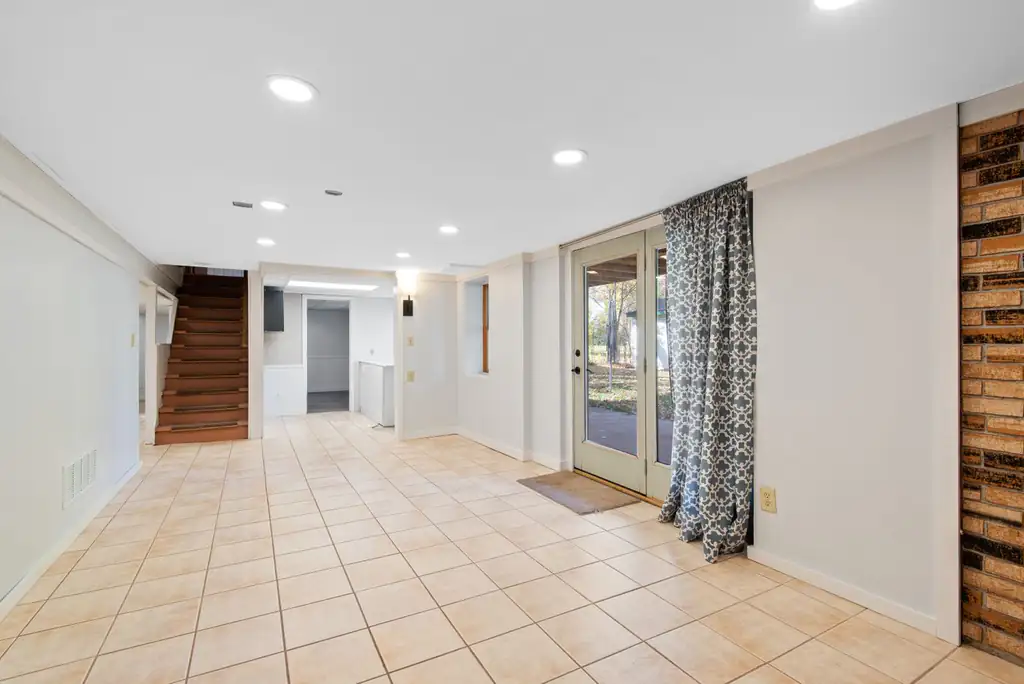
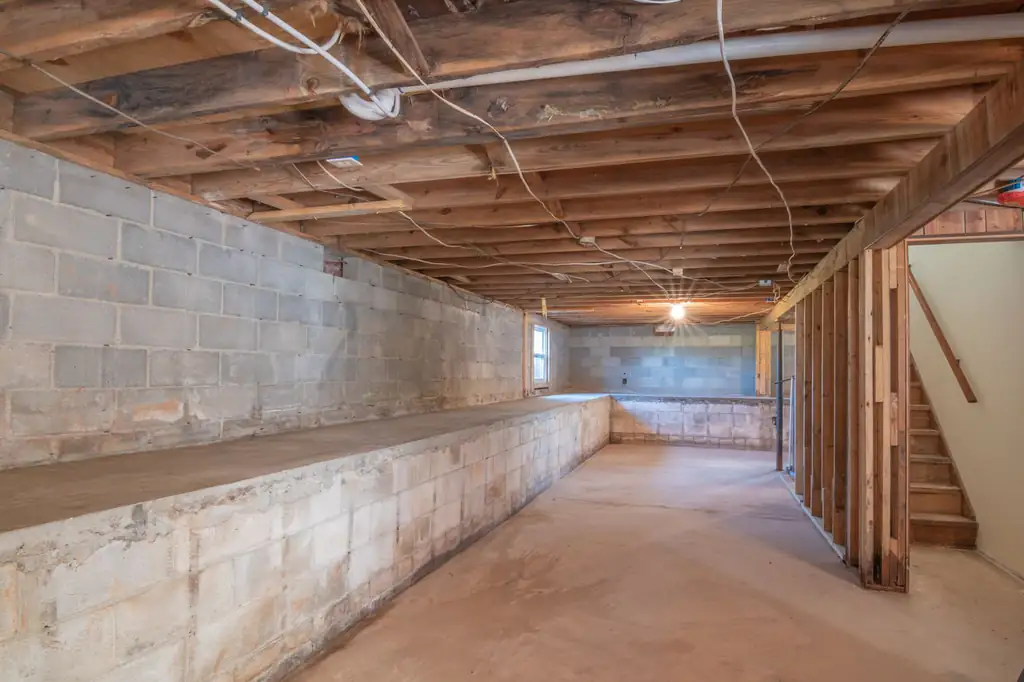
Moisture trapped under a finished basement floor shows up as musty smells, buckling, or mold at the edges. It usually means slab moisture or seepage was not addressed before finishing — which is why basement drainage and a vapor barrier come before flooring.
If a finished basement has started to smell musty, if the flooring is buckling, or if mold is creeping in at the baseboards, the problem is often not the flooring itself — it is moisture trapped underneath it. That trapped moisture usually means slab moisture or seepage was never addressed before the space was finished. The lesson underneath the symptom is a simple one: basement drainage and a vapor barrier come before flooring, not after.
The frustrating thing about moisture under a finished floor is that you rarely see the water. What you notice instead are the secondary signs, and they tend to show up in a recognizable pattern. A musty, earthy smell that lingers no matter how much you clean is often the first. Flooring that buckles, cups, lifts at the seams, or feels spongy underfoot is the next, because many floor materials swell when the surface beneath them stays damp. Then there is discoloration or mold appearing at the edges — along baseboards, at the base of walls, in the corners — because the perimeter is where trapped moisture and hidden growth tend to surface first.
Taken together, these point to moisture living in the space between the slab and the flooring, where it has little chance to dry and plenty of chance to feed odor and mold. Because the water itself is hidden, the smell and the edges are your evidence. A damp, persistent, out-of-place smell in a finished basement is worth taking seriously rather than masking.
Moisture under a finished floor is easy to hide and expensive to reach. A musty smell or buckling flooring is often the only outward sign of a slab or seepage problem that was sealed in when the space was finished.
There are two common sources, and telling them apart matters. The first is slab moisture — water vapor rising up through the concrete from the damp soil beneath it. Concrete is not truly waterproof; it wicks and passes moisture from the ground, and a bare slab quietly releases that moisture upward all the time. Lay flooring directly on it with nothing in between, and that vapor has nowhere to go but into the flooring, where it condenses and collects. The second is seepage — actual liquid water finding its way in at the slab surface or the wall-floor joint, driven by water in the soil around and under the foundation.
The distinction shapes the fix, so it is worth diagnosing before tearing anything out. Vapor rising through an otherwise sound slab is a different problem from water seeping in after storms, even though both leave the floor damp. Our guide on basement condensation vs water seepage walks through how to tell moisture that arrives as vapor from water that arrives as a leak — the same logic applies under a floor as on a wall. And because trapped dampness so often brings odor and growth, it is worth knowing what you are dealing with; our overview of mold in the basement — what to know covers how to handle small cases safely and when to step back.
Here is the uncomfortable truth about finishing a basement: finishing hides the moisture problem exactly where it does the most damage and costs the most to fix. Drywall, subfloor, and flooring seal the slab and walls behind materials you cannot see through, so a moisture path that was a minor nuisance on bare concrete becomes an invisible, trapped problem behind the finish. By the time the smell or the buckling appears, the fix often means pulling up the very floor you paid to install.
That is why the order of operations is not optional. Confirming the basement stays dry, handling drainage, and installing a vapor barrier between the slab and the flooring are prep steps, and prep steps only work when they come first. A vapor barrier gives rising slab moisture a place to stop before it reaches the flooring; drainage handles water that would otherwise seep in. Skip them, finish the space, and you have not avoided the work — you have deferred it and added a demolition bill on top.
| What you notice | Likely source | What it points to |
|---|---|---|
| Persistent musty smell | Trapped dampness, hidden growth | Moisture under the floor, not just on it |
| Buckling or lifting flooring | Slab moisture rising into the floor | A missing or failed vapor barrier |
| Mold at baseboards and edges | Damp perimeter, seepage or vapor | Moisture at the wall-floor joint |
| Damp feel after storms | Liquid seepage | A drainage problem, not just vapor |
| Cold, sweating floor | Vapor through the slab | Slab moisture that needs a barrier |
The table reads in one direction: the surface symptom is almost always reporting a source underneath the finish. Chasing the symptom — new flooring, an air freshener, a fresh baseboard — without reading what it points to just resets the clock on the same failure.
Some of what causes dampness under a finished floor is beyond a flooring swap. Bring in a professional when water actively seeps in, when there are cracks in the slab or walls that may be leaking or moving, when the slab is broadly damp rather than damp in one spot, or when mold is large or tied to health concerns. Keep any mold cleanup small and safety-first, and route bigger or health-related growth to a specialist. The larger point is preventive: if you are planning to finish a basement, the way to avoid dampness under the floor is to solve the water and add a vapor barrier first — our companion guide on handling basement drainage before finishing lays out that pre-finishing groundwork. Do the prep and the finish lasts; skip it and the floor becomes the lid on a problem you will have to reopen.
FAQ
Common signs are a musty smell that lingers, flooring that buckles, cups, or lifts, mold or discoloration at the edges and baseboards, and a damp feel underfoot. The moisture is often hidden beneath the surface, so the smell and the edges tell the story.
Buckling often means moisture is coming up through the slab and getting trapped under the flooring. Many floor materials swell or lift when the slab beneath stays damp, especially if no vapor barrier separates the flooring from the concrete.
Usually one of two places: moisture vapor rising through the concrete slab from the damp soil below, or liquid water seeping in at the slab or wall-floor joint. Telling which one you have shapes the fix.
Not if the source is untreated slab moisture or seepage. New flooring over the same damp slab tends to fail the same way. The moisture path under the floor has to be addressed before new flooring goes down.
A persistent musty smell is a common sign of damp, mold-friendly conditions, and mold can grow at hidden edges and under materials. Small cleanups can be handled carefully, but large or health-related mold should go to a professional.
Because finishing seals the moisture problem behind walls and under floors where it is hard to see and expensive to reach. Handling drainage and a vapor barrier first keeps you from trapping a problem you will have to tear out later.
When water actively seeps in, when there are cracks that may be leaking or moving, when the slab is broadly damp, or when mold is large or health-related. These point to a water path or structure issue beyond swapping the flooring.
Keep reading
A basement can stay damp from humidity alone, no leak required. What a dehumidifier does and doesn't do, and how to pair it with drainage and ventilation.
A musty basement smell is a symptom of mold or mildew feeding on moisture. How to trace the source — seepage, condensation, or a damp crawl space — and what to leave to a pro.
A damp basement is either condensation or seepage, and the fixes are opposite. How to tell them apart with timing, location, and a simple foil test.