Interior vs Exterior Basement Waterproofing
How interior and exterior basement waterproofing differ, what each actually controls, and why many wet basements end up using both.
Basement & Crawl Space
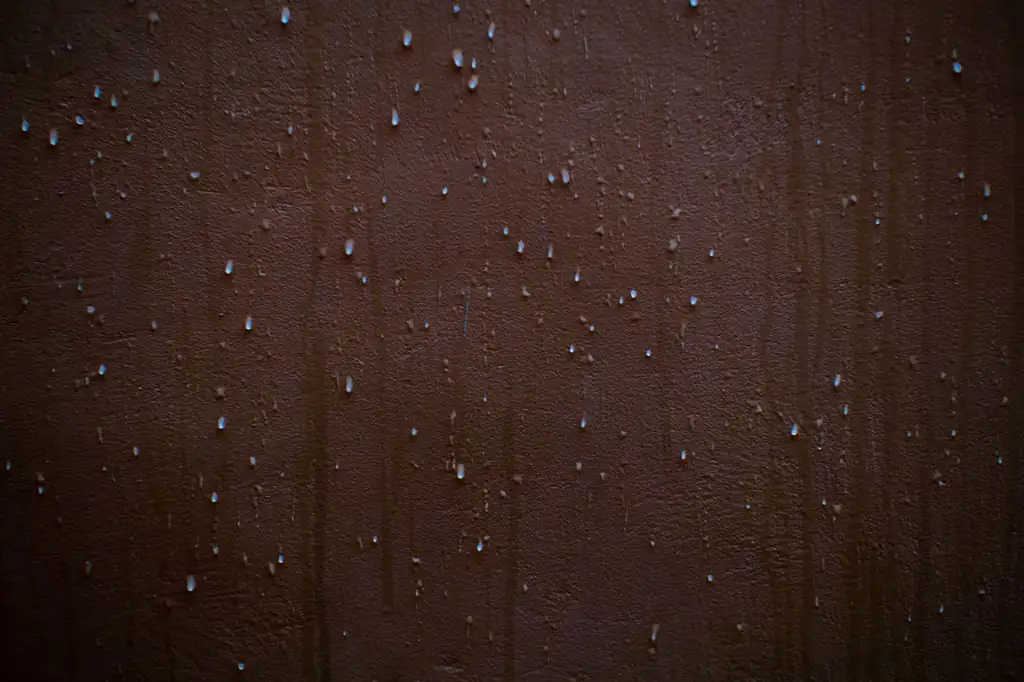
Waterproofing paints and sealers can slow minor dampness and vapor through a basement wall, but they cannot hold back real water pressure and they fail if the outside water is not controlled. They are a finishing touch after drainage, not a fix for a leak.
If you have stood in a hardware store holding a bucket labeled “waterproofing paint,” it is fair to wonder whether it can fix a damp or leaking basement. The short answer: a waterproofing paint or sealer can slow minor dampness and vapor moving through a basement wall, but it cannot hold back real water pressure, and it will fail if the water outside is never controlled. Think of a sealer as a finishing touch you apply after drainage is handled, not as a cure for a leak.
A waterproofing coating is a film that sits on the surface of the wall and resists moisture trying to pass through it. On a masonry or concrete wall that is basically sound and dry, that film can cut down the amount of water vapor and light surface dampness that reaches the room. It can make a wall feel less chalky and damp, and it can reduce the faint musty edge that comes from a wall slowly breathing moisture into the air.
What a coating cannot do is stand up to hydrostatic pressure — the physical push of groundwater in saturated soil pressing against the outside of the wall. That pressure is measured in real force, and a thin film of paint has nothing to anchor it against that push. When water is driven hard enough, it finds the wall-floor joint, a pinhole, or the weakest seam, and it either comes through or lifts the coating off the wall. This is why so many homeowners report paint that bubbled, blistered, or peeled within a season: the coating did not fail because it was cheap, it failed because it was asked to do a job it was never built for.
A waterproofing paint resists moisture at the wall surface. It does not lower the water table, seal the outside of the foundation, or relieve the pressure pushing water in. If water is actively entering, a coating manages a symptom at best and hides it at worst.
The reason drainage has to come before any coating is simple: a sealer works on the small stuff that is left over after the big water is gone, not on the big water itself. If a downspout is dumping against the wall, if the ground slopes toward the house, or if the water table is high after storms, no coating on the inside face of the wall is going to win against that. You are painting a dam wall while the reservoir keeps rising.
This is where the distinction between drainage and waterproofing needs to stay sharp. Drainage moves water away from or out of the foundation; waterproofing resists water at a surface. They are not interchangeable, and a coating is firmly in the waterproofing family. Our overview of foundation waterproofing vs drainage walks through why treating them as the same thing leads people to spend on the wrong fix. The practical order is: control the outside water with grading and gutters, add interior drainage if water still reaches the basement, and only then consider a coating for the residual dampness.
It also helps to know what you are actually seeing on the wall. A wall that is damp from humid indoor air condensing on cool concrete is a very different problem from a wall that is wet because water is seeping through it. A coating might modestly help the first and will not touch the second. Our guide on basement condensation vs water seepage explains how to tell them apart before you reach for any product.
None of this means sealers are useless. On the right wall — sound, structurally fine, and dry once the water path is managed — a coating is a reasonable finishing step. It can reduce minor vapor transmission, brighten a raw masonry wall, and cut the damp, dusty feel of bare concrete. As the last layer in a plan that already handled the water, it does modest, real work.
| Situation | What a sealer does | What the situation actually needs |
|---|---|---|
| Minor vapor on a dry, sound wall | Reduces the damp, chalky feel | A sealer is a reasonable finishing touch |
| Wall wet after every storm | Little; likely to peel | Exterior drainage and grading first |
| Water at the wall-floor joint | Nothing lasting | Interior drainage feeding a sump |
| A crack that weeps | Hides it cosmetically | Professional evaluation of the crack |
| Condensation from humid air | Marginal help at best | Air and humidity control, not a coating |
The table is not a scorecard where the sealer loses. It shows that a coating has one narrow, legitimate job and a lot of jobs it cannot do. Matching the product to the actual water path is the whole game.
A coating is one of the few basement moisture steps a homeowner can often do themselves — but only on a wall that is already sound and dry. The judgment calls belong with a professional: leaking or widening cracks, water rising through the slab, persistent seepage that returns after every storm, and any large or health-related mold. Keep any mold cleanup small and safety-first, and route bigger or health-related growth to a specialist rather than sealing over it. Used honestly, a waterproofing paint is a tidy finishing touch on a dry wall. Used as a substitute for drainage, it is a coat of optimism over a problem that has not gone anywhere.
FAQ
Not if the leak is driven by water pressure. Coatings resist vapor and minor surface dampness, but they cannot hold back water pushing against the wall from saturated soil. If water is actively coming in, the source outside needs handling first.
A sealer is a coating that resists moisture at the wall surface. Drainage moves water away from or out of the foundation. They solve different parts of the problem, and a sealer is a finishing touch after drainage rather than a substitute for it.
Usually because water pressure or vapor pushed through the wall from behind and lifted the coating. That is a sign the water source was never controlled, not that you picked the wrong product. The paint is reporting a drainage problem.
They help most with minor vapor and light surface dampness on a wall that is otherwise sound and dry, as a final step after exterior and interior water is managed. They reduce a damp, chalky feel rather than stop a leak.
A coating is not a structural repair. Painting over a crack hides it without addressing why it is there or whether it is moving. Leaking or widening cracks should be evaluated by a professional before any cosmetic coating.
A sealer that traps moisture in a wall while the real source is ignored can contribute to damp conditions where mold grows. The coating is not the cause; the uncontrolled water is. Controlling the water matters more than any product choice.
The application itself often is, on a sound dry wall. The harder part is being honest about whether the wall is a candidate at all. If water is actively entering, sealing first wastes effort and can mask the real issue.
Keep reading
How interior and exterior basement waterproofing differ, what each actually controls, and why many wet basements end up using both.
A clear comparison of wet-basement solutions — from gutters and grading to interior drainage, sumps, and waterproofing — and how to match the fix to the leak.
A step-by-step guide to drying out a flooded basement safely, in the right order, and knowing when to call for help.