How to Waterproof a Foundation From Outside
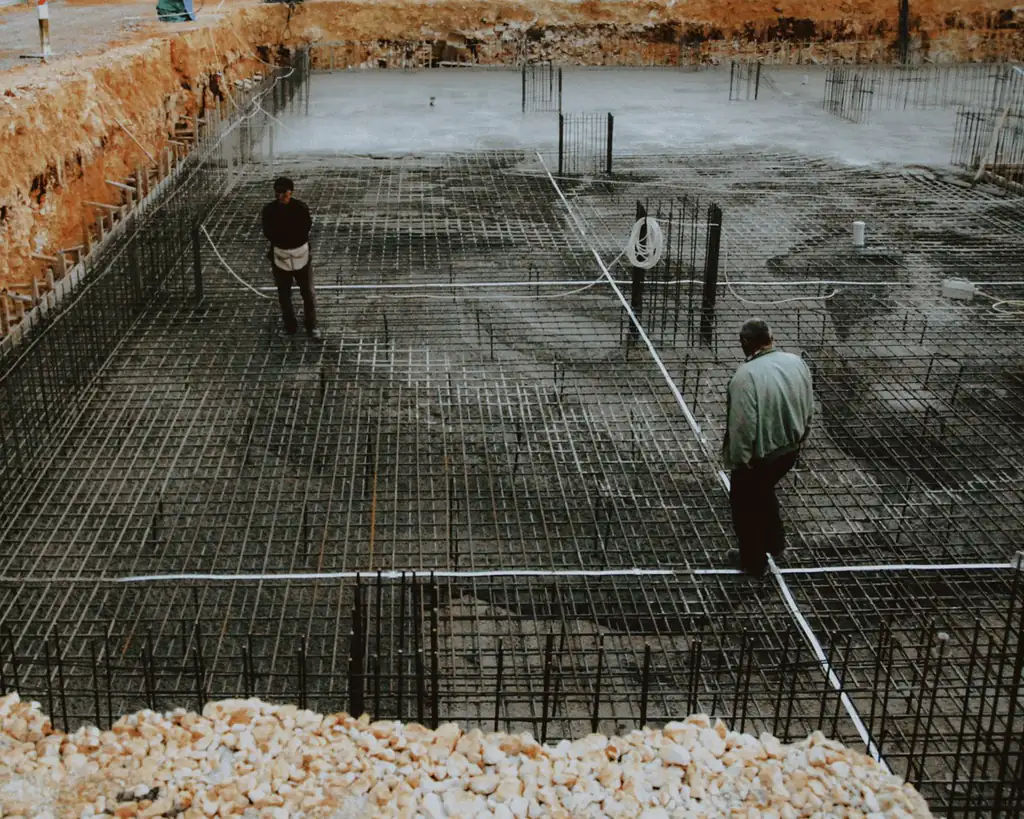
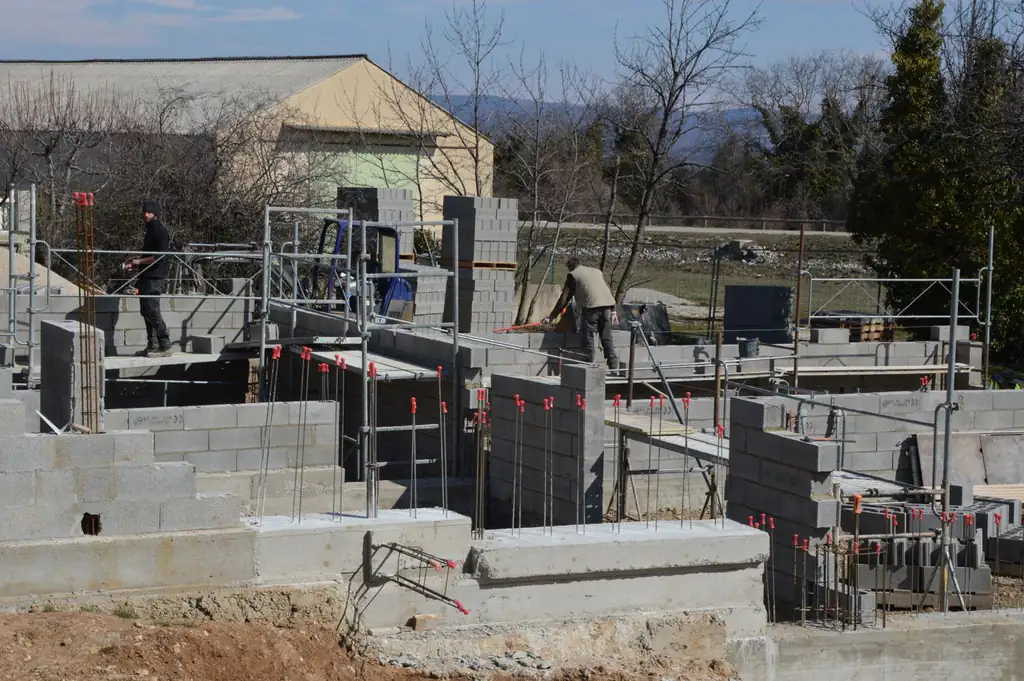
What exterior foundation waterproofing actually involves, why it means excavating to the footing, the layers that make it work, and why to try drainage fixes first.
Foundation Protection
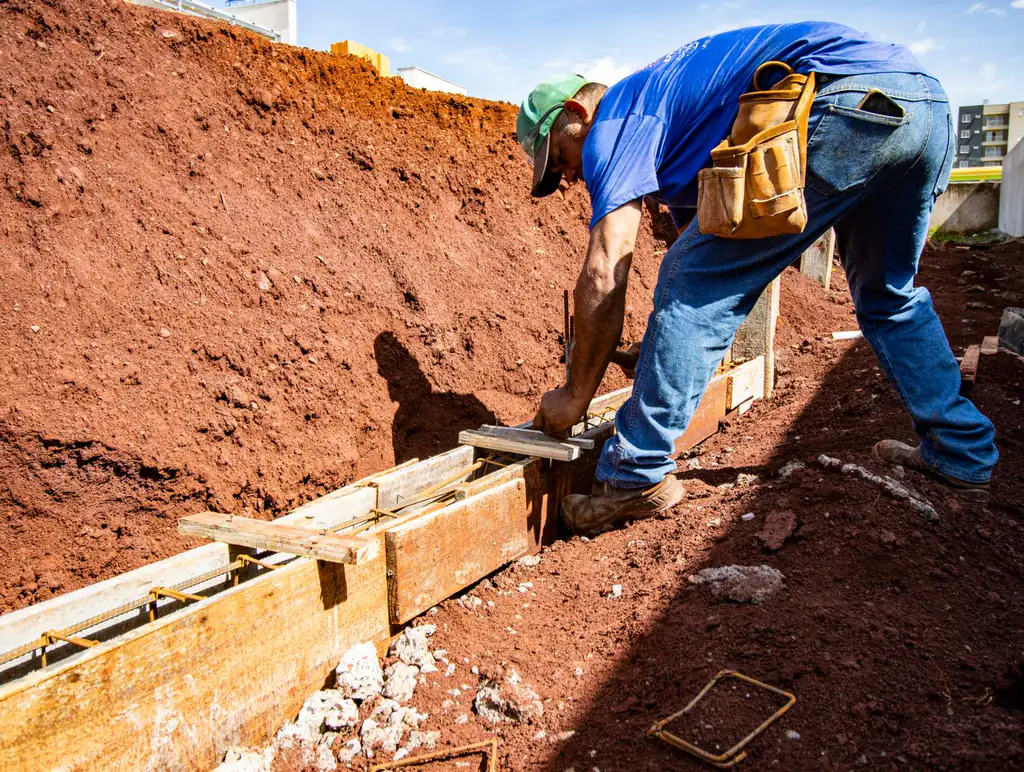
Drainage moves water away from the foundation; waterproofing seals the wall against the water that remains. They solve different parts of the same problem, and doing one without the other often disappoints — usually you fix drainage first because it is cheaper and removes the cause.
Drainage moves water away from the foundation; waterproofing seals the wall against the water that remains. They solve different parts of the same problem. Doing one without the other often disappoints — and usually you fix drainage first, because it is cheaper, it removes the cause, and it lightens the load any barrier has to resist.
Homeowners tend to blur these two words together, and contractors do not always help. But the difference is real and it is worth getting straight, because it determines what actually fixes a damp basement.
Drainage is water management. It is grading, pipes, gravel, sumps, and outlets — everything that gives water a path away from the foundation so it does not collect against the wall. Waterproofing is a barrier. It is a coating, membrane, or sealant applied to the wall itself to resist moisture passing through. One removes the water. The other resists whatever water is left. They pursue the same goal — a dry basement — from opposite directions.
That opposite-directions framing is the key. Drainage works on the water. Waterproofing works on the wall. Neither can do the other’s job.
If you can only start with one, drainage is almost always the smarter first move, for three reasons.
First, it addresses the cause. Most basement moisture is a water-in-the-wrong-place problem: surface water pooling against the foundation, downspouts discharging at the wall, a negative grade funneling rain toward the house. Fixing those reduces how much water ever reaches the wall in the first place. Start with water pooling near the foundation if that is what you are seeing.
Second, it is often cheaper and less invasive. Improving grading or moving a downspout is modest work — our primer on foundation grading basics shows what a proper slope looks like. Excavating to apply exterior waterproofing, by contrast, is a major project. It makes little sense to spend heavily sealing a wall while ignoring the negative slope that keeps loading it with water.
Third — and this is the part people miss — drainage relieves the pressure a barrier would otherwise have to fight. As water collects and rises around a foundation, it presses on the wall. That force is hydrostatic pressure, and it is what drives moisture through concrete and finds every hairline gap. Our explainer on hydrostatic pressure covers why this matters so much. A waterproof coating with the full water table pressing against it is fighting an uphill battle. Drain the water away first, and the barrier has far less to resist.
Neither drainage nor waterproofing is a structural repair. If you see cracking, bowing, or movement in the wall, that is a separate matter for a licensed professional — and it should be assessed before you assume a coating or a drain will solve it.
None of this means waterproofing is optional or a marketing invention. There are situations where drainage alone will not get you a dry wall.
Below-grade living space is the clearest case. A finished basement bedroom or office cannot tolerate the slow vapor and occasional dampness that a bare, drained-but-unsealed masonry wall may still pass. There, a proper barrier earns its place. High water tables are another: where groundwater sits chronically against the wall no matter how well you drain the surface, a barrier does work that grading cannot. And porous or aging walls simply let more moisture through, so even with good drainage a sealed face may be warranted.
The honest picture is that a well-built foundation usually has both. The gravel and drain relieve the pressure and carry water off; the barrier resists the dampness that remains. Each covers the other’s blind spot. A membrane with no drainage still leaves water pressing against it. A drain with no barrier still lets some vapor through porous concrete. Neither substitutes for the other.
| Drainage | Waterproofing | |
|---|---|---|
| What it does | Moves water away from the foundation | Seals the wall against moisture |
| Works on | The water | The wall |
| Typical elements | Grading, footing drains, gravel, sump | Coatings, membranes, sealants |
| Relieves hydrostatic pressure | Yes | No |
| Addresses the cause | Yes | No — resists what remains |
| Usual sequence | First | After, or alongside |
| Relative disruption | Ranges from low (grading) to high (footing drain) | High for exterior; moderate for interior surface sealers |
Drainage and waterproofing are not competing products; they are two halves of one solution. Drainage removes the water and relieves the pressure; waterproofing resists the moisture that remains. Lead with drainage because it is usually cheaper, it addresses the cause, and it makes any barrier work better. Add waterproofing where a truly dry wall is needed — finished space, high water tables, porous walls. Specifics depend on your soil, water table, and how your home was built, so treat this as a framework, keep the two ideas distinct, and route any sign of cracking or movement to a licensed professional first.
FAQ
Drainage moves water away from the foundation using grading, pipes, gravel, and sumps. Waterproofing is a barrier applied to the wall — a coating or membrane — that resists the moisture still pressing against it. One removes the water; the other resists what is left. They tackle the same goal from opposite directions.
Usually drainage. It addresses the cause by reducing how much water reaches the wall, it is often cheaper, and it lightens the load a barrier has to resist. Waterproofing a wall while water keeps pooling against it treats the symptom and tends to disappoint.
Sometimes for minor dampness, but often not. A sealed wall with water still standing against it stays under pressure, and moisture will exploit any gap or crack. Without drainage to relieve that pressure, a coating is fighting the whole water table on its own.
Interior masonry sealers can reduce minor dampness and vapor, but they are a surface treatment, not a substitute for managing water or for professional exterior waterproofing. They do nothing about water pressing on the far side of the wall.
Well-built foundations often have both, because each does something the other cannot. Whether you need to add both depends on how much water reaches your wall and how the wall is holding up. Fixing drainage first sometimes solves the problem without further work.
No. A barrier resists moisture but does not lower the water level or the pressure behind it. Relieving hydrostatic pressure is drainage's job — giving the water an easy path away so it stops building against the wall.
Exterior waterproofing means excavating to the wall, and any cracking, bowing, or movement is a structural question. Chronic intrusion that returns despite your efforts also warrants a licensed pro. Surface grading and downspout fixes are more approachable for a homeowner.
Keep reading
What exterior foundation waterproofing actually involves, why it means excavating to the footing, the layers that make it work, and why to try drainage fixes first.
The visible warning signs of a foundation drainage problem, how to tell a drainage issue from a structural one, and when to call a professional.
How window wells flood, why they leak into basements, and how drains, covers, and good grading keep below-grade windows dry.