Crawl-Space Vents — Open or Closed?
The open-versus-sealed crawl-space vent debate, why it is climate-dependent, and why ground moisture control matters more than the vents.
Basement & Crawl Space
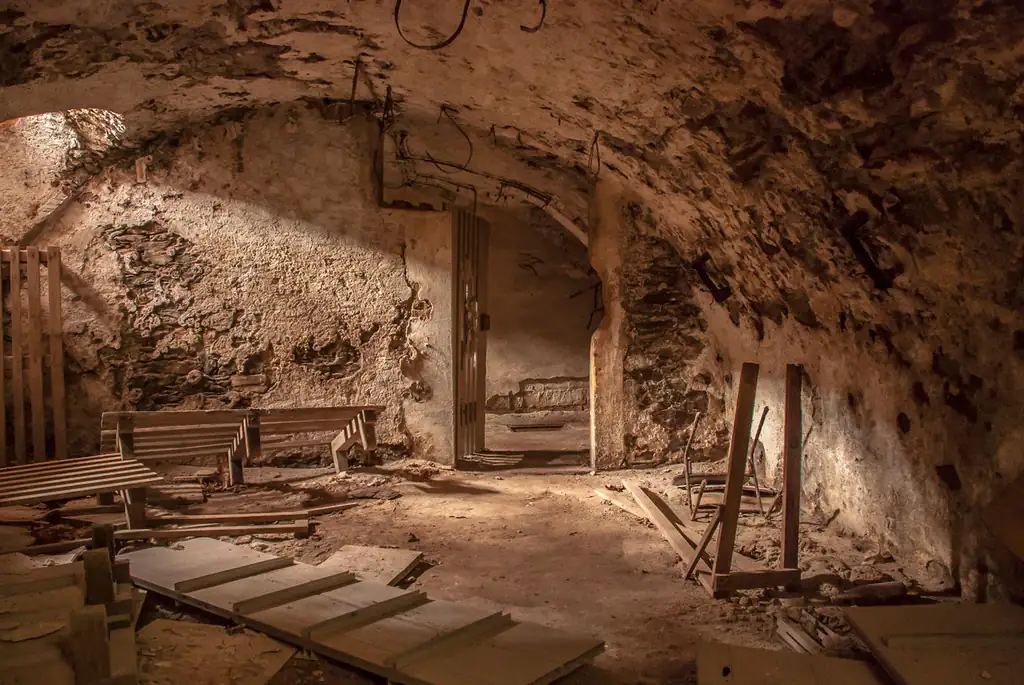
Whether to close crawl-space vents in winter is climate-dependent, not a universal rule. In cold climates, temporarily closing vents can reduce heat loss and help protect pipes from freezing, but they should generally reopen in warmer, humid months unless the space is sealed. On a permanently sealed, encapsulated crawl space the vents stay closed year-round by design.
Whether you should close your crawl-space vents in winter does not have a single yes-or-no answer, because the right move depends on your climate and how your crawl space is set up. The general pattern is this: in cold climates, temporarily closing vents in winter can reduce heat loss and help protect pipes from freezing, and those vents are usually reopened when warmer, more humid weather returns. On a permanently sealed, encapsulated crawl space, the vents are already closed year-round by design and stay that way. What matters more than the vent decision itself, in almost every case, is controlling ground moisture and keeping outside water away.
In a cold climate, open crawl-space vents let frigid outside air flow freely through the space all winter. That air pulls heat out from under the house and, more urgently, blows across any water pipes running through the crawl space. Closing the vents for the coldest months reduces that airflow, which can cut heat loss and lower the risk of pipes freezing.
That said, closing vents is a help, not a guarantee. Pipes that are genuinely vulnerable to freezing may still need insulation or dedicated freeze protection — the vents are one measure among several, not a complete answer. Treat closing them as reducing the risk, not eliminating it.
The practical way most people do this seasonally is with vent covers, which close the openings for winter without permanently sealing them. That distinction — closing versus sealing — turns out to be the heart of the whole question.
On a traditional vented crawl space, the reason vents exist at all is to let the space breathe. Close them and leave them closed through warm, humid weather, and you can trap moisture in a space that now has no way to release it. In humid conditions a closed-but-unsealed crawl space can end up damper than a vented one.
That is why the cold-climate approach is seasonal: vents close for the freeze, then reopen as warmer, more humid weather returns. It is a temporary adjustment for winter conditions, not a permanent change to how the space works. Our broader look at whether crawl-space vents should be open or closed covers the year-round debate this fits into.
Closing vents seasonally and sealing them permanently are two different decisions. Seasonal closing on a vented space is temporary and reopens in humid weather. Permanent sealing only belongs to a fully encapsulated space with its own humidity control — sealing vents alone can trap moisture.
If your crawl space is encapsulated — closed with a heavy liner up the walls, sealed seams, sealed vents, and usually a dehumidifier — then the vent question does not apply seasonally at all. The vents are sealed as part of that system, permanently, because the whole point of encapsulation is a closed, controlled space that no longer relies on outside air. Its humidity is managed by the dehumidifier rather than by opening and closing vents. Our guide on crawl-space encapsulation basics explains why sealing the vents only works inside that full system.
So before asking whether to close your vents this winter, it helps to know which kind of crawl space you have. On a vented one, seasonal closing is a reasonable cold-weather tactic. On a sealed one, there is nothing to decide.
| Situation | Winter vents | Warm, humid months |
|---|---|---|
| Vented crawl space, cold climate | Close temporarily to cut heat loss and freeze risk | Reopen so moisture is not trapped |
| Vented crawl space, mild or humid climate | Little benefit; risk of trapping moisture | Keep open |
| Encapsulated crawl space | Stay closed by design | Stay closed by design |
Reading across, the table makes the point that “should I close the vents?” is really the question “which crawl space do I have, and what is the weather doing?”
It is easy to fixate on the vents and miss the bigger moisture sources. In most crawl spaces, more moisture comes from the ground and from outside water than from the vents. A vapor barrier over the soil addresses the ground, and our guide on vapor barriers for crawl spaces covers that layer. Keeping water away from the space in the first place — gutters and downspouts carrying roof water off, and ground graded to slope away from the house — addresses the rest.
Get those fundamentals right and the vent decision becomes a small seasonal tweak rather than the thing your crawl space’s health hinges on. If you are seeing persistent dampness, standing water after storms, or mold, the answer is not in the vents — it is in the moisture sources and, for larger or health-related mold, a call to a specialist.
If you want a practical rule rather than a debate, start by identifying your setup. If your crawl space is encapsulated, do nothing — the vents are sealed by design and there is no seasonal choice to make. If it is a traditional vented crawl space in a cold climate with pipes running through it, closing the vents with covers for the coldest stretch is a reasonable step to reduce heat loss and freeze risk, provided you plan to reopen them when warmer, humid weather returns. If it is a vented crawl space in a mild or humid climate, the freeze argument is weak and the risk of trapping moisture is real, so leaving the vents open is usually the safer default. In every one of those cases, the ground-moisture and outside-water fundamentals do more for the space than the vents ever will, so treat the vent question as the finishing touch rather than the foundation of your plan.
FAQ
It depends on your climate and setup. In cold climates, closing vents temporarily in winter can cut heat loss and help protect pipes from freezing. On a vented crawl space they generally reopen when warmer, humid weather returns; on a sealed one they stay closed year-round.
It can help by reducing how much frigid outside air flows across pipes in the crawl space, but it is not a guarantee. Vulnerable pipes may still need insulation or other freeze protection, and closing vents is one measure among several rather than a complete fix.
On a traditional vented crawl space, usually yes. Vents closed for winter are typically reopened as warmer, more humid weather returns so the closed space does not trap moisture. A sealed, encapsulated crawl space is different — its vents stay closed on purpose.
They can, in humid conditions, because a closed but unsealed space can trap moisture with nowhere to go. That is why seasonal closing is usually paired with reopening in humid months, unless the space is fully sealed and has humidity control of its own.
Permanent sealing only makes sense as part of full encapsulation: a heavy liner, sealed seams, and usually a dehumidifier to manage the closed air. Sealing vents alone, without that system, can trap moisture. Seasonal closing and permanent sealing are different decisions.
Controlling ground moisture and keeping outside water away from the crawl space matters more than whether the vents are open or closed. A vapor barrier over the soil, good grading, and downspouts that carry water away address bigger moisture sources than the vents do.
Vent covers are the common way to close vents seasonally without permanently sealing them, letting you reopen the space when humid weather returns. They are a practical tool for the cold-climate approach, but they do not replace ground-moisture control.
Keep reading
The open-versus-sealed crawl-space vent debate, why it is climate-dependent, and why ground moisture control matters more than the vents.
Crawl-space moisture comes from the soil, outside air, and drainage water. The basics — vapor barrier, exterior drainage, humidity — plus vented vs encapsulated.
A step-by-step look at how crawl-space encapsulation is done, why exterior water has to be handled first, and where each layer fits.