Crawl-Space Encapsulation, Step by Step
A step-by-step look at how crawl-space encapsulation is done, why exterior water has to be handled first, and where each layer fits.
Basement & Crawl Space
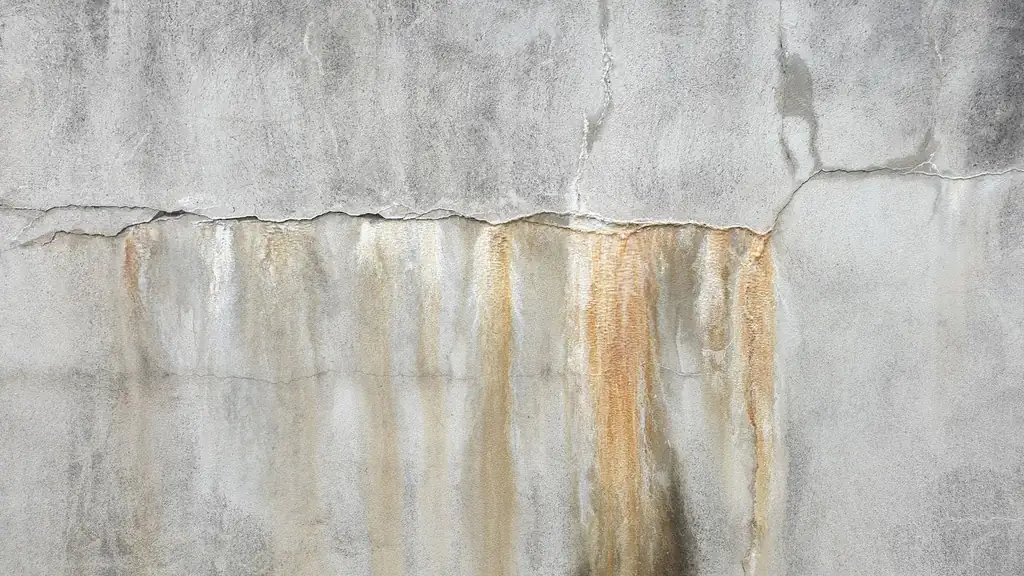
Crawl-space encapsulation seals the space with a heavy vapor barrier over the floor and up the walls, often adding a dehumidifier and sealing vents, to keep ground and outside moisture out. It is a bigger step than a simple vapor barrier and only works once exterior water is controlled.
If your crawl space feels damp, smells earthy, or shows moisture on the plastic already down there, encapsulation is one of the terms you will run into fast. Here is the short version: crawl-space encapsulation seals the space with a heavy liner across the floor and up the walls, usually adds humidity control, and often closes the vents so outside air stops carrying moisture in. It is a bigger, more permanent step than laying down simple plastic, and it only pays off once the water reaching the space from outside is already under control.
Encapsulation is a system, not a single product. A typical approach covers the dirt floor with a thick, durable liner, runs that liner up the foundation walls, and seals the seams and edges so the ground below is effectively closed off from the air above. From there, the details vary: many setups seal the foundation vents, add a dedicated dehumidifier or a supply of conditioned air, and sometimes insulate the walls.
The goal is to change how the space behaves. A bare-earth crawl space constantly releases moisture from the soil, and open vents let humid outside air drift in during warm months. Encapsulation treats the crawl space more like part of the house: sealed, drier, and managed. If you want the groundwork on why crawl spaces get damp in the first place, our crawl-space moisture basics guide is a good starting point, and the role of humidity control is covered in basement humidity and dehumidifiers.
For decades, the standard was a vented crawl space: open vents around the perimeter, meant to let air move through and dry things out. The idea makes intuitive sense, but in humid climates it can backfire, because warm outside air hitting cooler crawl-space surfaces can add moisture rather than remove it. Encapsulation takes the opposite stance and closes the space off instead.
Neither approach is universally right. Climate, soil, water table, and how your house is built all matter, which is why this is a decision worth talking through with someone who knows your region rather than copying what a neighbor did.
Sealing vents changes how air and moisture move under your house. In some climates it helps; in others it can trap moisture if the space is not managed. Treat vent sealing as a design decision, not a default.
This is the part homeowners most often skip. Encapsulation manages water vapor and humidity. It does not manage liquid water. If rain, a high water table, or poor grading is pushing actual water into the crawl space, a sealed liner can end up holding that water on top like a shallow pool, which is worse than the bare dirt you started with.
So the order of operations matters. Before sealing anything, the water path from outside needs attention: grading that carries water away from the foundation, gutters and downspouts that discharge well clear of the house, and drainage where the water table is high. Our companion pieces on foundation grading basics and foundation drains and footing drains cover the drainage side. Keep the distinction clear in your head: drainage moves water away, while encapsulation manages the moisture that remains. They solve different problems, and one does not replace the other.
| Approach | What it addresses | Typical scope | Best when |
|---|---|---|---|
| Bare crawl space | Nothing | None | Rarely a good idea in damp regions |
| Simple vapor barrier | Ground moisture rising as vapor | Plastic over the soil | Space is otherwise dry and drainage is fine |
| Encapsulation | Ground and outside-air moisture | Sealed floor and walls, vents, humidity control | Persistent humidity after drainage is fixed |
| Encapsulation plus drainage | Vapor and liquid water together | Interior or exterior drainage added | Water reaches the space, not just vapor |
The table is a way to see the escalation. Most homes do not need to jump straight to full encapsulation, and the right level depends on what is actually happening under the floor.
Encapsulation sits at the point where a moisture problem becomes a building-systems decision. If your crawl space shows standing water, foundation cracks, signs of structural movement, sewage, or mold beyond a small surface patch, those are reasons to get a qualified contractor or specialist involved before any sealing happens. General mold caution applies here: keep any cleanup small and safety-first, and route larger or health-related growth to a professional rather than sealing over it.
The honest takeaway is that encapsulation is a strong tool in the right situation and a waste in the wrong one. Get the water path handled first, decide whether your climate favors a sealed or vented approach, and treat the liner as the finishing step rather than the fix on its own.
FAQ
No. A vapor barrier is one layer of plastic over the soil. Encapsulation is a whole-space system: a heavy liner on the floor and walls, sealed seams, sealed vents, and usually a dehumidifier.
Generally yes. Encapsulation manages vapor and humidity, not standing or flowing water. If liquid water still reaches the crawl space, it can pool on top of the liner and cause new problems.
In an encapsulated design they usually are, because outside humid air is treated as a moisture source rather than a solution. This is a real design change, so it is worth discussing with a professional familiar with your climate.
Often, but not always. A sealed space with no ventilation can still hold humidity, so many encapsulation setups include a dehumidifier or a conditioned-air supply to keep levels in check.
Small, dry, accessible crawl spaces are sometimes a determined DIY project, but full encapsulation involves detailing, sealing, and moisture control that many homeowners hand to a specialist.
It can help if the smell comes from ground moisture, but only once the underlying water source is addressed. Persistent odors after sealing suggest moisture is still getting in.
Heavy liners are built to last many years, but lifespan depends on thickness, installation quality, and whether the space stays dry. Damage from foot traffic or standing water shortens it.
Keep reading
A step-by-step look at how crawl-space encapsulation is done, why exterior water has to be handled first, and where each layer fits.
How a crawl-space vapor barrier differs from full encapsulation, what each one actually does, and how to tell which your space needs.
Crawl-space moisture comes from the soil, outside air, and drainage water. The basics — vapor barrier, exterior drainage, humidity — plus vented vs encapsulated.