Is It Worth Paying for Gutter Guards?
Are gutter guards worth the money? It depends on your trees, roof height and climate. Learn how to weigh guard cost against the cleaning it actually replaces.
Cost & Planning
Gutter-cleaning cost is driven by the size and height of the house, roofline complexity, how clogged and how accessible the gutters are, and how often you have it done — not a flat rate. Understanding the factors lets you judge a quote instead of chasing a number.
There is no flat rate for cleaning gutters, and any single number you find online is an average stretched across houses that have almost nothing in common. What a cleaning actually costs is driven by a handful of factors: how much gutter you have, how many stories the crew has to work at, how complex the roofline is, how packed the gutters are, how easy the house is to reach, whether downspouts are included, and how often you have the work done. Learn those factors and you can read a quote instead of chasing a figure that was never meant for your home.
Search for gutter cleaning cost and you will get a tidy range. The trouble is that the range averages a low ranch with light leaf litter against a tall house buried under oak and maple, and neither one is described honestly by the middle. Cleaning is priced by the job in front of the ladder, not by a chart.
A number you can trust comes from someone looking at your height, your footage and the state of your gutters. That is why this article walks through the factors rather than quoting dollars. Once you understand what moves the price, an estimate stops being a mystery and becomes something you can judge.
We deliberately do not quote prices here. Gutter-cleaning cost varies too much by region, house height and tree cover to put a responsible number on — the same length of gutter can cost very differently on two homes a block apart. What stays consistent is the set of factors below.
The total length of gutter is the foundation of any cleaning quote. More footage simply means more trough to clear, more downspouts to check, and more time on the ladder. It is the first thing a cleaner sizes up, and it scales most of the rest.
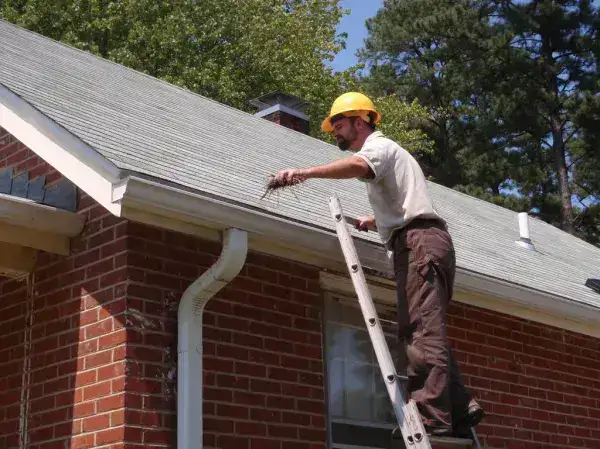
Height is one of the biggest swings. A single-story house is quick and comparatively safe to work; a two- or three-story home means taller ladders, more setup, staging where needed, and slow, careful movement at height. Most of what you are paying a professional for is the ability to work safely up there, so height raises labor more than people expect.
A plain rectangular roof is fast to walk and clear. Multiple gables, dormers, valleys and inside corners mean more ladder repositioning, more awkward reaches, and spots where debris collects and packs down. A complex roofline takes longer than its raw footage suggests, and that time shows up in the quote.
How dirty the gutters are matters more than it sounds. Lightly leaf-dusted troughs clear in minutes; gutters neglected for a year or more fill with wet, compacted debris, shingle grit and even sprouting seedlings that have to be dug out by hand and bagged. A heavily clogged system is a slower, messier job, so long-neglected gutters often cost more to clean than well-maintained ones. How long you should go between cleanings is its own question — see how often to clean gutters.
A crew that can walk freely around the house and set a ladder on level ground works quickly. Dense shrubs against the wall, sloped or soft ground, fences, decks, sunrooms and delicate plantings all slow the setup and force careful, awkward positioning. Access you never think about as a homeowner is a real line in a cleaner’s time.
Clearing the horizontal troughs is one task; flushing the vertical downspouts and any underground drains they feed is another. A jammed downspout may need to be flushed, snaked or taken apart, and that is more work than scooping the gutters. Whether downspouts and outlets are included is a common reason two quotes differ, so it is worth confirming.
How often you book changes the per-visit cost. Gutters kept on a regular schedule never reach the packed, heavy state that slows a crew down, and many cleaners price a recurring plan more favorably than a one-off call. Waiting years between cleanings means fewer visits but harder ones — and risks overflow damage in the meantime.
Once the debris is out, small faults become visible: a loose hanger, a leaking seam, a sagging run. Minor fixes are often offered as a small add-on during the same visit, while larger problems are flagged for later. A cleaning is frequently the moment gutter trouble is first spotted, which is part of its value.
| Factor | Why it changes the cost |
|---|---|
| Linear footage | Sets how much trough there is to clear and how many downspouts to check. |
| Stories / height | Taller houses need bigger ladders, staging and slow, careful work at height. |
| Roofline complexity | Corners, valleys and dormers mean more repositioning and awkward reaches. |
| Degree of clogging | Packed, wet, long-neglected debris takes far longer than light leaf dust. |
| Access / landscaping | Shrubs, slopes and obstacles slow ladder setup and add labor. |
| Downspouts / drainage | Flushing or snaking downspouts is extra work beyond clearing the troughs. |
| Frequency / plan | Regular visits stay light and often price better than one-off calls. |
| Minor repairs | Hangers, seams and sags found during cleaning add optional line items. |
A quote you can actually judge says what it includes. Look for whether it covers all the gutters or only the reachable ones, whether downspouts are flushed, whether debris is bagged and hauled away or left on the ground, and whether minor repairs are noted or ignored. When two quotes spell this out, you can compare like for like.
The trap is comparing on the headline number alone. A low price may cover only the front of the house, skip the downspouts, or leave the debris in a pile for you to deal with. Match the scope first, then let price decide.
You cannot shop for gutter cleaning by chasing a single number, because that number does not exist. What exists is a set of factors — footage, height, roofline, how clogged the gutters are, access, downspouts and how often you book — that together explain any honest quote. Learn them, ask cleaners what their price includes, and compare like for like. Do that and you will know whether a quote is fair, which is far more useful than knowing what a neighbor paid for a different house.
FAQ
Because the same task is a very different job from one house to the next. A single-story ranch with easy access and light debris is quick and safe, while a three-story house with steep valleys, dense tree cover and packed gutters takes far longer and carries more risk. A flat rate would either overcharge the easy house or underprice the hard one, so responsible cleaners price your house instead.
Usually height, footage and how clogged the gutters are. A taller house needs more ladder work and staging time, more linear footage means more to clear, and gutters packed with compacted debris take longer than lightly dusted ones. Access obstacles, roofline complexity and whether downspouts are flushed also move the number.
It can. Lightly leaf-dusted gutters clear fast, but gutters left for a year or more under heavy tree cover fill with wet, compacted debris and even sprouting seedlings that must be dug out by hand and bagged. That takes longer, so a badly neglected system often costs more to clean than one kept on a regular schedule.
Regular cleaning usually costs less per visit because the gutters never reach the packed, heavy state that slows a crew down, and many cleaners offer better pricing on a recurring plan. Waiting years between cleanings saves visits but each one is harder, and the overflow in between can cause damage that dwarfs any cleaning fee.
Clearing the horizontal runs is one task; flushing or unclogging the vertical downspouts and any underground drains they feed is another. A downspout jammed with debris may need to be flushed, snaked or taken apart, which is more work than scooping the troughs. A good quote says whether downspouts are included.
For a low single-story house with a stable ladder setup, some homeowners reasonably clean their own gutters. But height, roof pitch and awkward access turn it into a real fall risk, and that is where the labor in a professional quote actually goes. Weigh the savings against the danger honestly rather than assuming DIY is always cheaper once your time and safety are counted.
Sometimes. Once the debris is out, a cleaner can see loose hangers, leaking seams or sagging sections that were hidden under the mess. Minor fixes are often offered as a small add-on, while bigger problems are flagged for a separate visit. A cleaning is also the moment many gutter faults first become visible.
Keep reading
Are gutter guards worth the money? It depends on your trees, roof height and climate. Learn how to weigh guard cost against the cleaning it actually replaces.
Gutter guards are a big upfront cost, cleaning a recurring one. Compare them over years using your trees, height and guard type instead of a single price.
Gutter repair cost depends on the fault, how much run is affected, roof height and hidden fascia damage. Learn the drivers and when repair beats replacement.