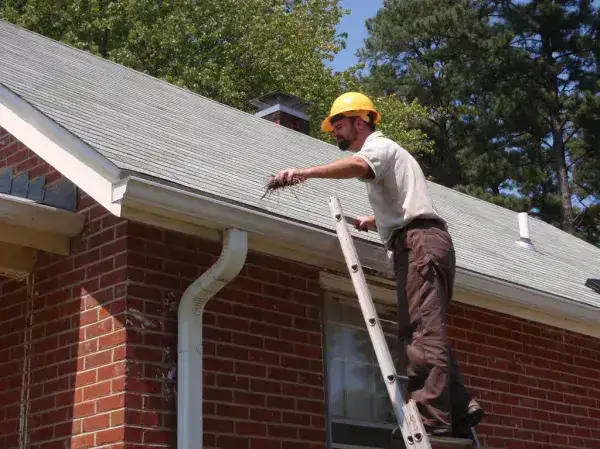
What Drives the Cost of Repairing Gutters
Gutter repair cost depends on the fault, how much run is affected, roof height and hidden fascia damage. Learn the drivers and when repair beats replacement.
Cost & Planning
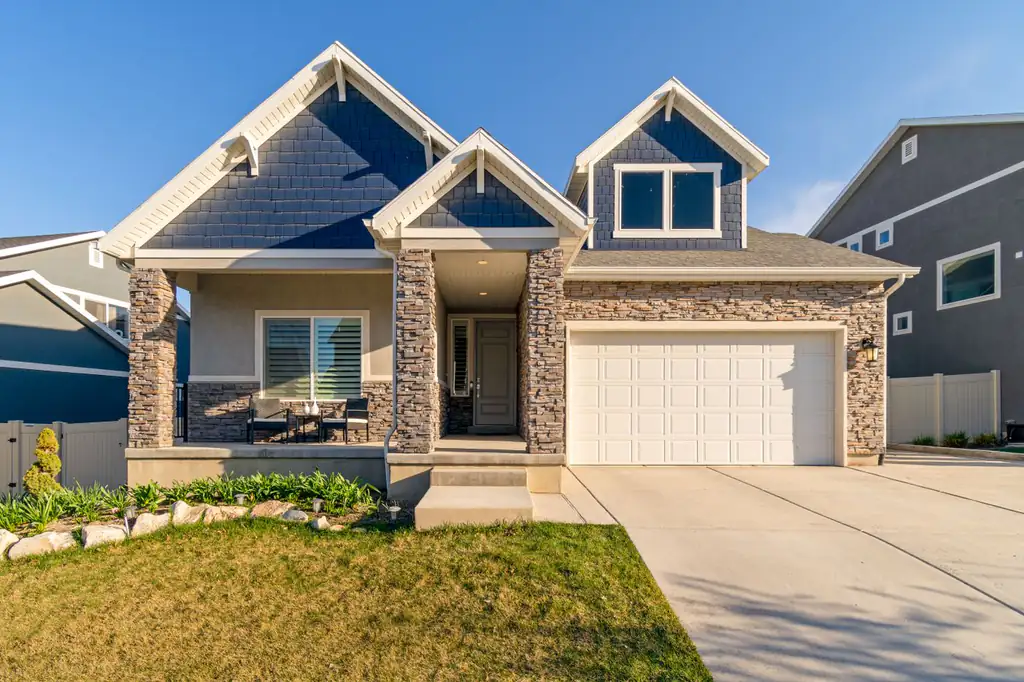
There is no single price for gutters — the cost of a job is set by how much gutter your roofline needs, the material, gutter and downspout size, the number of stories, roofline complexity, access, fascia condition and your local labor market. Learn those drivers and you can judge a quote instead of chasing a number.
There is no single answer to what gutters cost, and any tidy figure you find online is a national average stretched across houses that have almost nothing in common. What a job actually costs is set by a handful of drivers: how much gutter your roofline needs, the material you choose, the size of the gutters and downspouts, how many stories the crew has to work at, how complex the roofline is, how easy the house is to reach, what shape the fascia is in, and what labor costs where you live. Understand those, and a quote stops being a mystery you compare against a stranger’s house.
Search “gutter cost” and you get a range. The trouble is what that range averages: a single-story ranch with a plain roofline sits in the same figure as a three-story house with steep valleys, tight landscaping and hidden fascia rot. Those are not the same job, and no average describes either one honestly.
A price worth trusting comes from someone standing in your yard looking at your roofline, your access and your fascia. That is why this article walks through the drivers rather than printing dollars — the drivers are what stay consistent from house to house, even as the total swings.
We deliberately do not quote prices. Gutter costs vary too much by region, house and material to put a responsible number on — the same length of gutter can differ severalfold between two homes a mile apart. What holds steady is the set of factors below.
The length of gutter your roofline needs is the foundation of every estimate. More footage means more material, more hangers and usually more downspouts. It is the first thing an installer measures, and it scales nearly everything else.
Material may be the largest multiplier after length. Aluminum is the affordable, rust-proof default; steel is stronger but heavier and can rust; copper sits at the premium end and is usually soldered by skilled hands. The same roofline priced in aluminum versus copper produces very different totals — our gutter materials compared and aluminum vs copper pieces lay out the trade-offs.
Sectional gutters snap together from stock lengths; seamless gutters are formed on-site to the exact length of each run. Seamless costs more in labor and equipment but leaves far fewer joints to leak. See seamless vs sectional for how that choice affects both price and reliability.
Gutters are commonly 5-inch or 6-inch, and a 6-inch gutter moves more water, matters on large or steep roofs, and costs more per foot along with the larger downspouts it feeds. Downspouts themselves are priced separately, and the right number depends on roof area and layout — how many downspouts you need is a capacity question, not a place to save money.
A single-story ranch is quick and safe to work; a two- or three-story house means more ladder work, staging and careful time at height. On tall or awkward homes, height is one of the bigger swings in a quote.
A plain rectangular roof is fast to gutter. Gables, dormers, valleys and inside and outside corners each add cutting, fitting and sealing — and each is a potential leak point. A complex roofline costs more than its raw footage suggests.
Old gutters often hide the damage they caused. Once they come off, installers can finally see the fascia, and years of overflow may have left it soft. New gutters cannot hang securely on bad fascia, so repairs come first — and that is one of the hardest items to price before the gutters are down.
Someone has to take the old gutters down and haul them away, and reputable quotes include that. Dense landscaping, slopes and fences slow a crew and add labor. And the same job simply costs different amounts in different markets, because labor is priced locally — often the largest single line on the estimate.
| Driver | Which way it pushes the price |
|---|---|
| Total linear footage | Sets the base quantity of everything; scales the whole job |
| Material | Aluminum low, steel mid, copper high — a severalfold spread |
| Seamless vs sectional | Seamless adds forming labor but removes leak-prone joints |
| Gutter / downspout size | 6-inch and larger downspouts cost more in material |
| Downspout count | Priced separately; more or larger adds cost |
| Stories / height | Taller means more ladder, staging and careful time |
| Roofline complexity | Corners, valleys and dormers add labor at each transition |
| Fascia repair | Hidden rot must be fixed first; hard to price in advance |
| Removal & disposal | Taking down and hauling old gutters is labor and dump fees |
| Access | Landscaping, slopes and obstacles slow the crew |
| Local labor market | Wages and demand set the largest, most variable line |
Homeowners still want some feel for magnitude, so here is the only honest version: a short aluminum job on an easy single-story roofline sits at the low end of anything you will be quoted, while a long copper install on a tall, cut-up roof with fascia repair sits at the far high end — and the gap between them is enormous. Everything else lands somewhere between, according to the drivers above. Use that as a mental map of the terrain, never as a target price.
The way to price your own house is not a calculator — it is a few itemized quotes. A quote you can actually judge names the material and gauge, the gutter and downspout size, the number of downspouts and where they go, whether removal and disposal are included, and whether fascia is at least acknowledged. When two estimates are itemized this way, you can compare like for like instead of guessing which lump sum is fair. Our guide to reading an estimate covers what a trustworthy breakdown looks like.
You cannot shop for gutters by chasing a single number, because that number does not exist. What exists is a set of drivers — length, material, size, height, roofline, access, fascia and local labor — that together explain any honest quote. Learn them, ask installers to itemize against them, and compare matching scopes. Do that and you will know whether a price is fair, which is far more useful than knowing what a neighbor paid for a different house.
FAQ
Because the price depends on things nobody can see without visiting — your roofline length, the number of corners and downspouts, how many stories the crew works at, and the condition of the fascia behind the old gutters. A phone number is a guess dressed up as a quote. A responsible installer measures your house before committing to a figure.
For most homes it is total linear footage combined with material. Length sets the base quantity of gutter, hangers and downspouts, and material multiplies that quantity by very different unit costs. After those, working height and roofline complexity move the number the most.
Yes, and by a wide margin. Aluminum is the affordable, rust-proof default most homeowners choose. Copper sits at the premium end, costs far more per foot, and is usually installed by skilled hands with soldered joints. The same roofline priced in each material can differ severalfold.
Downspouts are priced separately from the horizontal runs, so more of them, or larger ones, do add cost. But too few downspouts is a false economy — the system overflows in heavy rain. The right count comes from roof area and layout, not from trimming the quote.
Not always, but a low headline number can hide thinner material, fewer downspouts, no fascia inspection, or old gutters left for you to remove. Compare quotes line by line. Sometimes the lowest bid is genuinely the best value, and sometimes it is the most expensive job once the shortcuts surface.
Use it for orientation, not as a target. Online figures average very different houses into one range that describes none of them. Treat that range as a rough sense of scale, then let local quotes tell you what your specific house actually costs.
Keep reading
Gutter repair cost depends on the fault, how much run is affected, roof height and hidden fascia damage. Learn the drivers and when repair beats replacement.
Seamless gutter cost depends on footage, material, size, roof height and on-site forming labor. Learn the drivers so you can judge the premium over sectional.
New gutter cost depends on length, material, size, stories, roofline, access and fascia. Learn the factors so you can judge a quote, not chase a number.