Gutter Materials Compared — Aluminum, Steel, Copper, Zinc and Vinyl
Compare aluminum, steel, copper, zinc and vinyl gutters by lifespan, cost, looks and climate fit to pick the right material for your home.
Gutters

Aluminium is the practical default — affordable, rust-proof, widely available and good for roughly two decades. Copper costs several times more but can last 50 years or more and develops a distinctive patina. Choose aluminium for value, copper for longevity and appearance on homes that justify it.
If you are weighing aluminium against copper, the short answer is this: aluminium is the practical default for most homes — affordable, rust-proof and good for roughly two decades — while copper is the premium choice that can last 50 years or more and develops a distinctive patina, at several times the cost. Gutters are sold in several materials, but the residential decision usually narrows to these two extremes, because they frame the real trade-off between price and longevity. Steel, zinc and vinyl fill in around them, and you can see where each lands in our gutter materials compared overview.
Aluminium is the most common residential gutter material, and for sound reasons. It does not rust — instead it forms a stable oxide layer that protects the metal underneath. It is light enough to hang in long seamless runs formed on-site, which cuts down on joints where leaks tend to start. It takes baked-on paint in a wide range of colors, so matching trim or fascia is easy. And it is inexpensive relative to metals like copper, which keeps whole-house replacement within reach for most budgets.
A well-maintained aluminium system commonly lasts around 20 years, sometimes longer in mild climates. Its limitations are modest but worth knowing. It dents more readily than steel, so a fallen branch or a hard knock from a ladder can leave a mark. In very harsh coastal or industrial air, the oxide layer can eventually break down and the metal can corrode. Thinner, lower-gauge aluminium also sags more easily between hangers if it is under-supported. For the large majority of homes, though, none of this is disqualifying — aluminium remains the sensible everyday choice.
Copper sits at the opposite end. It is expensive — often several times the cost of aluminium once skilled installation is included — but it is exceptionally durable, frequently lasting 50 years or more. Part of that durability comes from how it is joined: copper is typically soldered at the seams rather than held together with sealant, which creates continuous, watertight joints that do not rely on a bead of caulk that can dry out and fail over time.
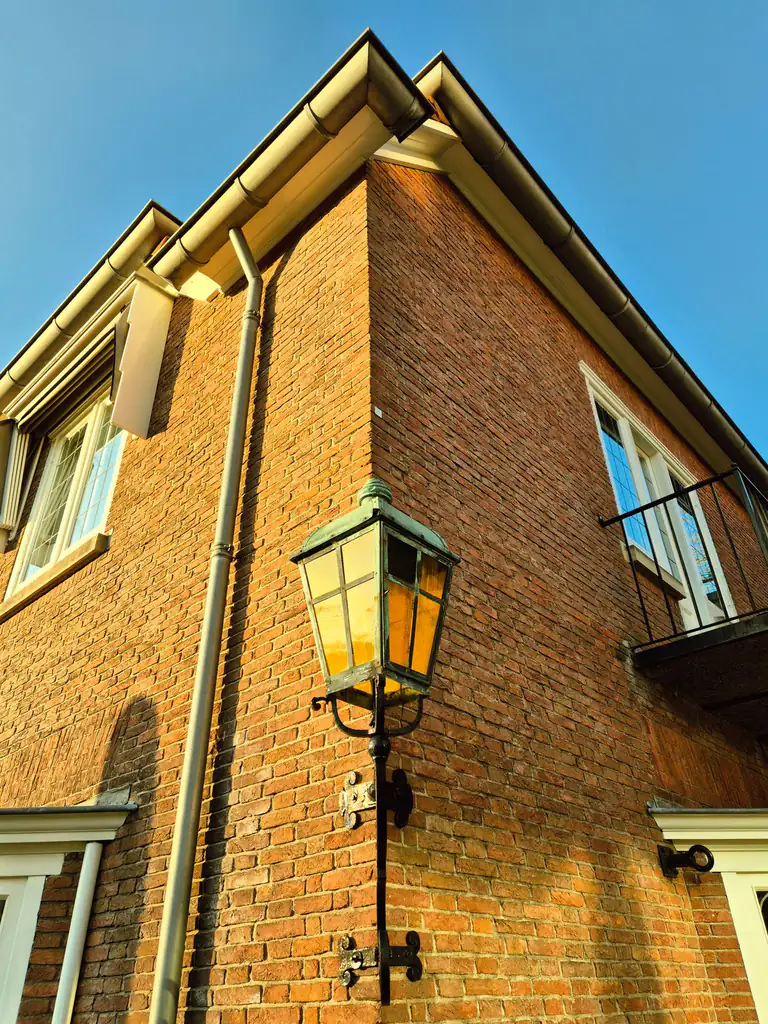
Copper’s other draw is aesthetic. Left uncoated, it weathers from bright metal to a warm brown and eventually to the familiar green patina. That patina is not decay — it is a protective surface that forms as the copper oxidizes, and it does not shorten the gutter’s life. Many owners choose copper specifically for this evolving look on historic, custom or architecturally distinctive homes, where the material reads as part of the design rather than just a drainage detail.
| Factor | Aluminium | Copper |
|---|---|---|
| Typical lifespan | ~20 years | 50+ years |
| Relative cost | Low | High (several times more) |
| Corrosion behavior | Rust-proof; stable oxide layer | Highly durable; forms protective patina |
| Appearance | Painted, many colors | Weathers from bright metal to green patina |
| Joints | Sealed seams, seamless runs | Usually soldered, continuous seams |
| Weight and handling | Light, easy to work with | Heavier, needs skilled labor |
| Maintenance | Occasional cleaning; repaint if faded | Minimal; patina is self-protecting |
| Best for | Value and everyday homes | Longevity and appearance on homes that justify it |
Lifespans above are typical ranges and vary with climate, water volume, installation quality and upkeep. Treat them as planning guidance, not guarantees.
The gap between the two materials is not only the metal. Copper’s price reflects a costlier raw material, its greater weight to handle and transport, and the skilled labor needed to solder joints correctly. Aluminium’s lower price reflects an inexpensive material that can be roll-formed into seamless runs on-site with sealed joints and hung quickly. Beyond the metal itself, the length and complexity of the run, the number of corners and downspouts, roof height and accessibility, and the gauge or thickness you choose all move the final figure. Thicker aluminium costs more but sags less; heavier copper carries a premium but adds durability. Local labor rates matter as much as material in many quotes.
Aluminium’s finish is a baked-on paint you select up front, and it holds color well, though it can chalk or fade over many years and may eventually want repainting. Copper’s finish is a moving target by design: bright at install, brown within a few years, and green over a longer span, with the exact timeline shaped by climate and air quality. Clear lacquers can slow the change, but they wear unevenly outdoors and are hard to maintain, so most owners let copper age naturally. If a consistent, controllable color is the goal, aluminium wins; if an evolving, living finish is the appeal, copper is the reason to spend more.
Both materials are low-maintenance compared with older options, but the routines differ. Aluminium wants occasional cleaning to keep debris from holding moisture against the metal, an inspection of sealed seams that can loosen over time, and possibly a repaint down the road. Copper asks for very little once installed — the patina looks after the surface, and soldered joints rarely need attention.
Climate steers the choice too. In dry or mild regions, aluminium’s roughly two-decade life is rarely a limitation. Along the coast, salt air is hard on aluminium’s oxide layer, and copper’s corrosion resistance becomes more valuable. In cold climates with heavy freeze-thaw cycles and ice dams, copper’s thicker, soldered joints tend to tolerate the stress a little better than sealed aluminium seams — though correct slope, sizing and secure hangers do more for winter performance than the metal itself. The sizing and slope principles behind a working system apply regardless of material.
The installation methods are genuinely different, and the difference explains much of the cost gap. Aluminium is usually formed into seamless runs by a machine on-site, with joints at corners and outlets sealed using a gutter sealant. It is forgiving work that many crews handle routinely. Copper is joined by soldering, which fuses the metal into continuous joints but demands a specialist with the right torch, flux and technique. A poor solder joint fails just as surely as a poor sealant bead, so copper is not a place to cut corners on labor. Whichever material you choose, secure hangers at the right spacing and consistent slope toward the downspouts are what keep water moving.
Never mix dissimilar metals in the same drainage path. Copper shedding onto aluminium — or steel fasteners in a copper run — sets up galvanic corrosion that quietly eats the less-noble metal from the contact point outward. Keep gutters, downspouts, hangers and fasteners to a single compatible material family.
Pick aluminium if you want dependable performance at a reasonable price, plan to repaint or match trim colors over time, are replacing gutters on a typical home, or do not expect to stay long enough to recover copper’s higher cost. Pick copper if you are prepared to invest in a system that may outlast several aluminium replacements, want the least ongoing maintenance, live where salt air or hard winters reward corrosion resistance, or simply want the copper look on a home that carries it.
Whatever the material, the sizing and slope principles in how gutters work still govern whether the system performs, and the broader material comparison puts these two extremes in context with steel, zinc and vinyl. Material affects lifespan and looks; it does not rescue an undersized or poorly pitched run.
FAQ
Copper is a costlier raw material, heavier to handle, and usually requires skilled installation with soldered joints rather than sealed ones. The result is a system that can cost several times more than aluminium up front, offset by a much longer service life.
Yes. Copper oxidizes over years, shifting from bright metal to brown and eventually to a green patina. Many owners choose copper specifically for this look. The patina is protective and does not shorten the gutter's life; it can be delayed with coatings but not prevented outdoors indefinitely.
Aluminium does not rust the way steel does — it forms a stable oxide layer instead. It can corrode in harsh coastal or industrial environments and can dent more easily than steel, but for most homes it offers a long, low-maintenance life.
It is best avoided. Water running from copper onto aluminium can accelerate corrosion of the aluminium through galvanic action, and the mismatch looks inconsistent. Keep the material consistent through the run where you can.
Not for protection. Copper weathers on its own and the patina that forms is protective, so most owners leave it bare. Clear lacquers exist to slow the color change, but they wear unevenly outdoors and need periodic reapplication, so many people skip them and let the metal age naturally.
For most homes, yes. Aluminium delivers reliable performance at a modest cost and comes in colors that match common trim, which makes it a low-risk choice when you are not planning to stay long enough to benefit from copper's longer life.
Both can perform well when sized and pitched correctly, but copper's thicker soldered joints tend to resist the stress of freeze-thaw and ice dams a little better than sealed aluminium seams. Proper slope and secure hangers matter more than the metal in most climates.
Keep reading
Compare aluminum, steel, copper, zinc and vinyl gutters by lifespan, cost, looks and climate fit to pick the right material for your home.
What makes copper gutters premium — patina stages, soldered seams, lifespan, cost, and galvanic corrosion cautions.
Aluminum and steel gutters compared on strength, rust, weight, cost and climate — and which material suits your home and your winters.