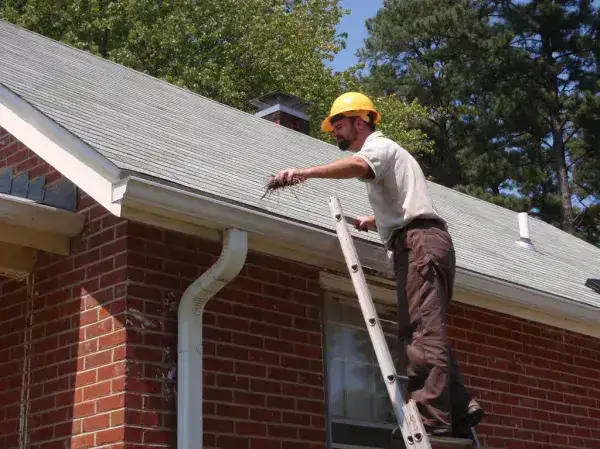
What Drives the Cost of Repairing Gutters
Gutter repair cost depends on the fault, how much run is affected, roof height and hidden fascia damage. Learn the drivers and when repair beats replacement.
Cost & Planning
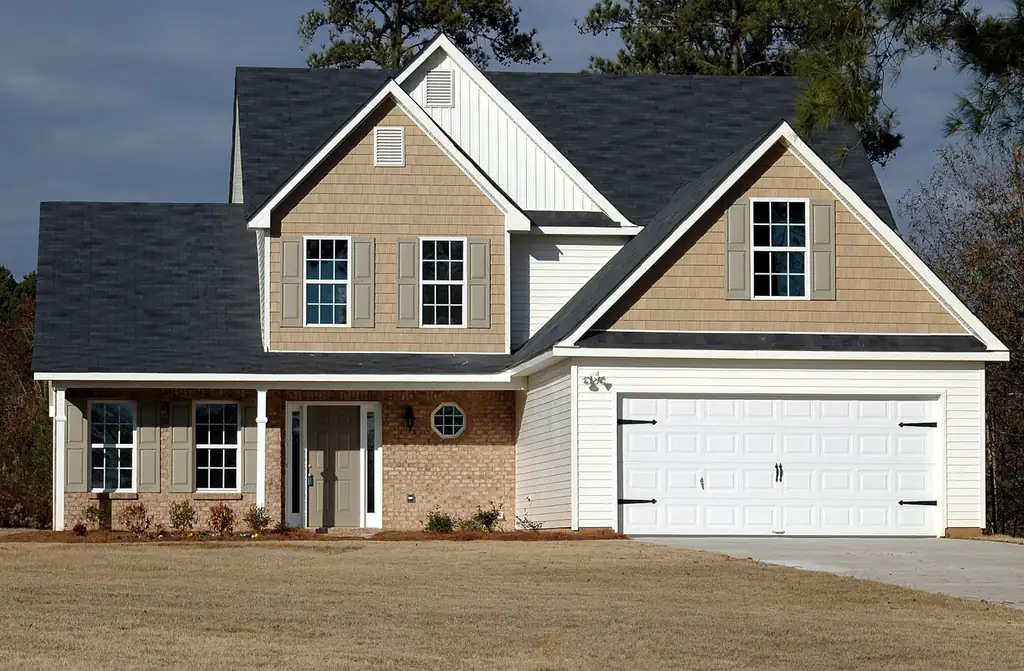
Whether to repair or replace gutters comes down to how widespread the problems are: isolated leaks, a sagging section or a few bad hangers are repairs, while system-wide rust, chronic seam leaks, undersizing, or rotted fascia usually mean replacement is the better long-term spend.
Whether to repair or replace your gutters comes down to one question: how widespread are the problems? A single leaking seam, one sagging span or a few pulled hangers are localized faults, and fixing them is a repair. But when rust, leaks and sagging show up all along the system, you are not fixing a gutter — you are patching a failing whole, and replacement usually becomes the smarter long-term spend. The decision is less about any one symptom than about how much of the system shares it.
Some gutter faults are genuinely local, and fixing them is the right call. The rest of the system is sound; one part needs attention.
The common thread is containment: the problem has an edge, and sound gutter surrounds it. Many of these faults are exactly the signs your gutters are failing caught early enough to fix cheaply.
Other problems are symptoms of a system reaching the end of its life. Fixing one spot just moves the leak to the next weak point.
We deliberately do not quote prices here. The cost of both repair and replacement varies too much by region, house and material to put a responsible number on — the same fix can differ severalfold between two homes. What stays consistent is the logic: match the scope of the work to how widespread the problem is.
Beyond the symptom in front of you, a few factors tilt the choice.
The single most important factor. Localized problems favor repair; system-wide ones favor replacement. Before deciding, look at the whole run, not just the spot that is leaking, and ask whether the fault is the exception or the pattern.
Age matters through condition. A younger, well-installed aluminum system with one bad section is worth repairing. Gutters near the end of their material life develop new faults as fast as you fix the old ones, which favors replacement.
Because gutters hang on the fascia, its condition can override everything else. Sound fascia supports a repair; rotted fascia turns a repair into a replacement, since the board must be fixed and new gutters hung anyway.
A system that overflows despite being intact has a capacity problem, not a damage problem. That is a design issue only replacement with larger components can solve.
| Situation | Usual call | Why |
|---|---|---|
| One leaking seam, sound elsewhere | Repair | Localized fault with good gutter around it |
| A single sagging span | Repair | Hangers can be re-secured or added |
| Storm damage confined to one run | Repair or partial replace | Contained damage, rest of system intact |
| Rust or holes in several places | Replace | Material is spent; new leaks will follow |
| Most seams leaking | Replace | Seamless removes the joints instead of chasing them |
| Overflows despite being undamaged | Replace | Undersizing is a capacity problem, not a repair |
| Rotted fascia behind the gutters | Replace | Nothing sound to fasten repairs to |
When replacement is the answer, the cost is driven by the whole system — length, material, height, roofline and fascia — not by any single fix. The gutter replacement cost factors explain what actually moves that number.
Repair or replace is not decided by any single symptom but by how far the problem has spread. Isolated leaks, a sagging span and a few bad hangers are repairs; system-wide rust, chronic seam leaks, undersizing and rotted fascia point to replacement as the better long-term spend. Look at the whole system, check the fascia, and weigh the total cost over the next several years rather than today’s cheapest fix. Do that and the decision follows from the condition of your gutters, not from guesswork.
FAQ
Look at how widespread the problems are. One leaking seam, a single sagging span or a few loose hangers are localized faults you can repair. But when the same problems appear all along the system — rust in many spots, seams leaking everywhere, sagging throughout — you are patching a failing whole, and replacement usually becomes the better long-term spend.
Up front, yes; over time, not necessarily. A cheap repair on a system that is failing everywhere buys a little time and then fails again elsewhere, so you pay repeatedly and still face replacement. When problems are truly isolated, repair is genuinely cheaper. When they are system-wide, repeated repairs can quietly cost more than replacing once.
It depends less on age than on condition. A well-installed aluminum system with one damaged section can be worth fixing even if it is older. But gutters near the end of their material life, rusting in multiple places or pulling away along their length, tend to develop new faults as fast as you fix the old ones, which tilts the decision toward replacement.
A large one. Gutters hang on the fascia board behind them, and years of overflow can leave that wood soft or rotted. If the fascia is failing, no gutter repair holds for long because there is nothing sound to fasten to. Discovering rotted fascia often turns what looked like a repair into a replacement, since the board must be fixed and new gutters hung.
That may be an undersizing problem rather than a damage problem. If the gutters or downspouts are too small for your roof, no repair fixes the capacity — the system is doing its best and still can't keep up. Correcting undersizing usually means replacing with a larger gutter and more or bigger downspouts, which is a replacement decision even when nothing is broken.
Sometimes a single run on one side of the house can be replaced while the rest stays, especially if only that section took damage. But if the whole system is the same age and material and is starting to fail, replacing one run just resets the clock on that piece while the others keep aging. Matching the scope to how widespread the problem is avoids doing the job twice.
Repairs are priced by the specific fix — a seam, a hanger, a section — while replacement is driven by the whole system's length, material, height and fascia condition. The honest comparison is not repair price versus replacement price today, but the total you will likely spend over the next several years given how widespread the problems already are.
Keep reading
Gutter repair cost depends on the fault, how much run is affected, roof height and hidden fascia damage. Learn the drivers and when repair beats replacement.
New gutter cost depends on length, material, size, stories, roofline, access and fascia. Learn the factors so you can judge a quote, not chase a number.
Seamless gutter cost depends on footage, material, size, roof height and on-site forming labor. Learn the drivers so you can judge the premium over sectional.