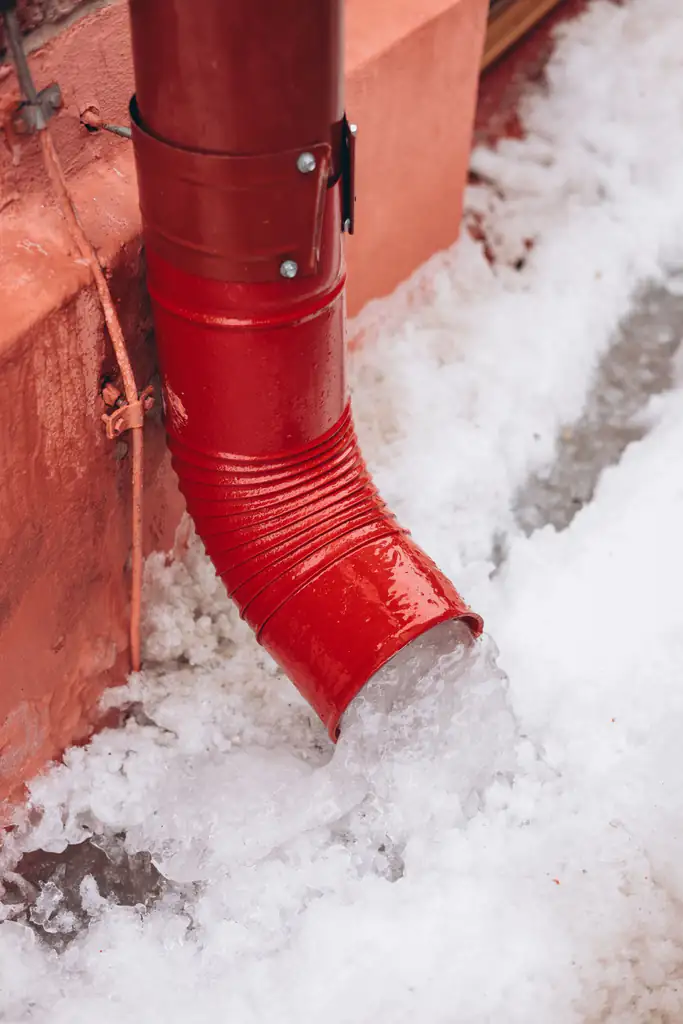
Can You Bury Downspouts?
Whether you can bury a downspout, when it makes sense, and what a buried line needs to work — slope, an outlet, cleanable access — instead of just hiding the problem.
Downspouts
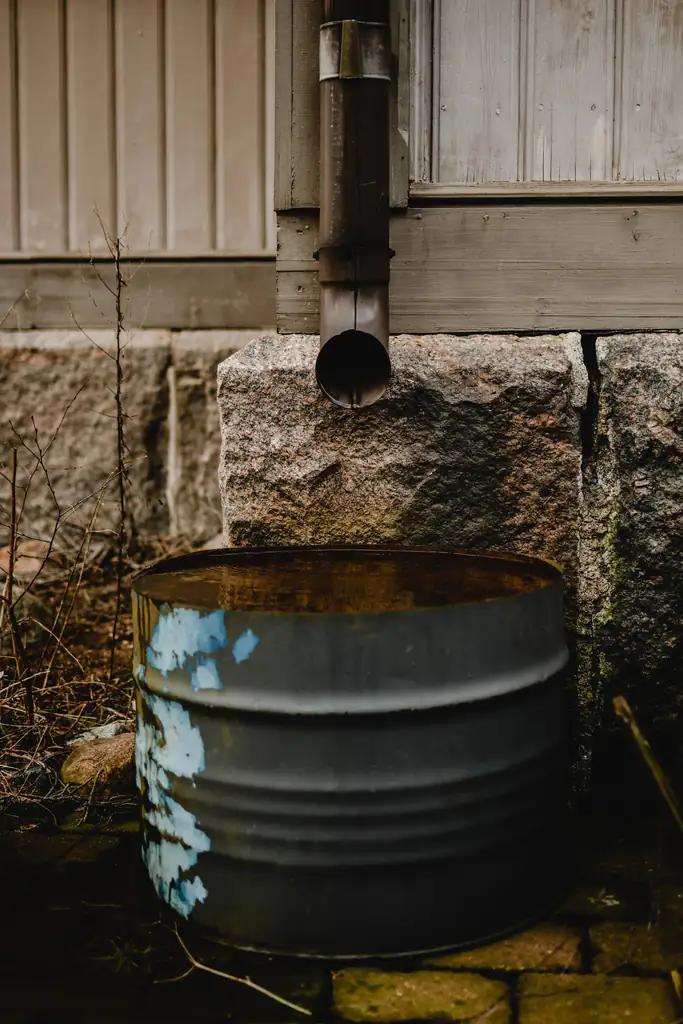
Tying a downspout into a buried line hides the pipe and moves water farther, but it only works with the right fittings, continuous slope, solid (not perforated) pipe, and cleanouts. Done wrong it clogs where you can't see it.
Running a downspout into a buried pipe is how you get roof water out of sight and well away from the house. Instead of an extension lying across the lawn, the water drops straight into the ground and travels underground to an outlet several feet — or many feet — from the foundation. It is a clean-looking solution, but it is also the one that punishes shortcuts the hardest, because everything happens where you cannot watch it. Get the fittings, slope and pipe right and it runs for years. Get them wrong and it clogs in a spot you cannot reach.
The connection has a handful of parts, and each one earns its place.
Where the downspout meets the ground, an adapter fitting joins the rectangular downspout to the round buried pipe. It steps the shape down and captures the full flow, so water leaving the downspout goes into the drain line rather than spilling around the base. This joint is the handoff point, and it is also a natural spot for a cleanout, since it is the easiest place to reach into the buried run.
Below ground, the single most important thing is slope. The line has to fall steadily downhill the entire way from the house to the outlet. There is no pump and no pressure — the water moves because gravity pulls it down the grade. A dip or a flat stretch anywhere along the run becomes a low spot where water sits, sediment settles, and a clog eventually forms. A steady fall keeps the line self-clearing.
The buried run should be solid pipe. This trips people up, because perforated pipe looks similar and is common in yard drainage. But perforated pipe is designed to let water seep out through its holes along its length — exactly the wrong behavior when your goal is to carry a concentrated flow to a distant outlet. Run roof water through perforated pipe near the house and you just soak the soil you were trying to protect. The distinction is important enough that we cover it on its own in solid versus perforated drainage pipe.
A cleanout is a capped vertical access point that lets you reach into the line to clear a blockage. Since you cannot tap along a buried pipe or take it apart the way you would an above-ground downspout, a cleanout is often the only practical way to snake out a clog. Placing one at the downspout connection and at any major bend turns a future headache into a five-minute job.
Finally the line has to come out somewhere. Common outlets are a pop-up emitter that opens under water pressure out in the yard, a dry well that lets water soak into the ground, or a daylight outlet where the pipe simply exits on a downhill slope. Whatever the choice, the water has to have somewhere safe and legal to go.
Where roof water may be discharged is regulated in some places. Before you aim a buried line toward a property line, an alley, a sidewalk or a storm inlet, check your local rules — the tidiest pipe in the world does not help if the outlet is not allowed.
For the fuller picture of how these systems are laid out and maintained, see our overview of underground downspout drainage.
The table below is a rough guide to what each element does and why it matters. Specifics vary with your yard.
| Element | Its job | Why it matters |
|---|---|---|
| Adapter fitting | Joins downspout to buried pipe | Captures full flow at the handoff |
| Continuous slope | Moves water by gravity | No slope means standing water and clogs |
| Solid pipe | Carries water to the outlet | Perforated pipe leaks it out near the house |
| Cleanout | Access to clear clogs | Only practical way to snake a hidden line |
| Outlet (emitter/dry well/daylight) | Releases the water | Must be safe, and legal in your area |
Connecting a downspout to a buried drain is a real upgrade in looks and reach, but it is unforgiving of shortcuts because it all lives underground. The recipe is consistent: an adapter that captures the flow, continuous slope so gravity does the work, solid pipe that carries water instead of leaking it, cleanouts so you can reach a clog, and an outlet that is both safe and legal. Skip any one of those and the failure shows up in the hardest possible place to fix — inside a pipe you cannot see. Do them all and you get a system that quietly moves roof water away and stays out of sight for years.
FAQ
The vertical downspout meets the ground and joins the buried pipe through an adapter fitting that steps the rectangular downspout down to the round drain pipe. From there the line runs underground on a steady downward slope to an outlet farther out in the yard, so water leaves the pipe well away from the foundation.
For carrying roof water away, solid pipe is the right choice. Perforated pipe is designed to let water seep out along its length, which is the opposite of what you want when the goal is to move a concentrated flow to a distant outlet. Using perforated pipe here just soaks the ground near the house, often defeating the whole purpose.
A cleanout is a capped access point that lets you reach into the buried line to clear a clog. Because you cannot tap along or take apart a pipe you cannot see, a cleanout is often the only practical way to snake a blockage. Adding one where the downspout meets the buried line, and at major bends, makes future maintenance far easier.
A buried line drains only as well as its slope. Without a continuous downward fall from the house to the outlet, water sits in low spots instead of flowing through, which invites sediment buildup, clogs and, in cold climates, freezing. A steady grade the whole way is what keeps the line self-clearing.
It should release somewhere the water can safely soak in or flow away — commonly a pop-up emitter out in the yard, a dry well, or a daylight outlet on a downhill slope. Where roof water may be discharged is regulated in some areas, so it is worth checking local rules before sending it toward a property line, an alley or a storm inlet.
Often yes. Many above-ground setups are meant as a first step. Converting to a buried line means adding the adapter at the base, digging a sloped trench to the outlet, and running solid pipe with cleanouts. Planning the outlet location first gives the buried run somewhere safe to release the water.
The usual culprits are too little slope, perforated pipe that let sediment in, a missing strainer that let leaves wash down, or no cleanouts to clear the line. Because the pipe is hidden, these problems build up unseen until water backs up at the downspout, which is why the details matter more underground than above.
Keep reading
Whether you can bury a downspout, when it makes sense, and what a buried line needs to work — slope, an outlet, cleanable access — instead of just hiding the problem.
How to run a downspout underground the right way — solid pipe, continuous slope, a real outlet, and cleanouts — so the line stays hidden without turning into a buried clog.
How to decide where downspouts should go — low ends, corners, spacing, and safe discharge points — while balancing drainage against curb appeal.