Window Well Drainage
How window wells flood, why they leak into basements, and how drains, covers, and good grading keep below-grade windows dry.
Foundation Protection
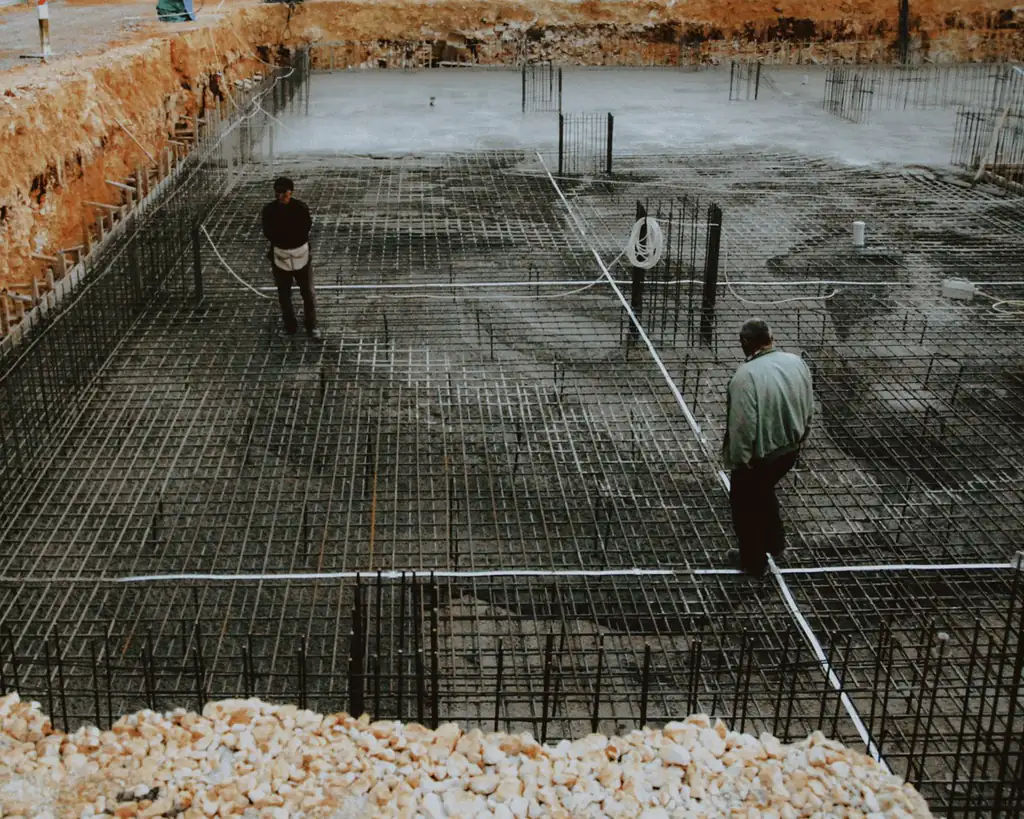
Foundation drainage problems announce themselves — efflorescence and damp streaks on walls, musty smells, pooling at the base of the house, erosion along the footing, and water after every rain. Caught early, most are an exterior water fix, not a structural one.
Foundation drainage problems tend to announce themselves. White efflorescence and damp streaks on the walls, a musty smell, water pooling at the base of the house, soil eroding along the footing, and a basement that gets wet after every rain are all the ground telling you water is reaching your foundation. The good news: caught early, most of these are an exterior water fix — better grading, redirected runoff — rather than a structural repair.
Think of these signs as a conversation. Each one points to water arriving somewhere it should not, and together they usually reveal the path. Here is what to look for and what each is telling you.
What it looks like: a white, powdery or crystalline film on basement walls or floors, sometimes fluffy, sometimes crusty.
What it means: water has been passing through the concrete or masonry, dissolving minerals and leaving them behind as it evaporates. Efflorescence itself is harmless, but it is a reliable marker that moisture is moving through the wall — which sends you looking outside for where that water is collecting.
What it looks like: darkened patches or vertical streaks on the wall, often near the floor or below a window, that appear or worsen after rain.
What it means: water is entering at a specific point and running down. The location is a clue — streaks under a window point to a window well, streaks at the floor-wall joint point to water pooling around the footing.
What it looks like: you smell it before you see anything. A persistent earthy, musty odor in the basement or crawl space.
What it means: ongoing dampness, even without visible water. Moisture is present long enough and often enough to be noticeable, which almost always traces back to water reaching the foundation from outside.
What it looks like: puddles or saturated soil hugging the foundation after rain, slow to dry.
What it means: surface water is collecting exactly where you least want it, feeding the soil that presses on the wall. This is often a grading or downspout issue, and it is covered in depth in water pooling near the foundation.
What it looks like: channels, gullies, or washed-out soil and mulch running along the base of the wall, often near a downspout.
What it means: concentrated water is running along the foundation with enough force to move soil. Worse, the low spots it carves can then funnel even more water toward the house, so the problem tends to feed itself.
What it looks like: the clearest sign of all — the basement is dry until it rains, then reliably damp or wet, then dries out again.
What it means: the water is arriving from the surface, tied directly to rainfall. That timing strongly suggests a drainage path you can manage rather than a deep structural fault.
These signs describe a water path, not a structural diagnosis. If you also see cracks widening, walls bowing or leaning, or floors that have shifted, treat that as a separate and more serious question for a licensed professional. When in doubt, have the structure assessed before assuming water is the whole story.
This is the distinction that matters most, because it decides whether you are looking at a weekend of yard work or a call to a specialist.
A drainage problem is fundamentally about a water path: where water collects and how it reaches the wall. It shows up as moisture, staining, smell, pooling, and erosion, and it typically tracks with rain. The fixes live outside — grading, downspouts, window wells, footing drains.
A structural problem is about the foundation itself moving or failing: cracks that widen over time, walls that bow inward or lean, floors that are no longer level, doors and windows that suddenly stick. These do not resolve by managing water and call for professional evaluation.
The two can overlap — long-term water problems can contribute to structural ones — which is exactly why catching drainage signs early is worthwhile. Address the water while it is still just water.
| Sign | Likely points to | Usual direction |
|---|---|---|
| Efflorescence | Water moving through the wall | Exterior water fix |
| Damp streaks after rain | Water entering at a point | Trace the source outside |
| Musty smell | Chronic dampness | Find and cut the moisture path |
| Pooling at the base | Surface water collecting at wall | Grading / downspouts |
| Erosion along footing | Concentrated running water | Redirect runoff, regrade |
| Water after every rain | Surface-driven intrusion | Drainage management |
| Widening cracks, bowing, movement | Possible structural issue | Call a professional |
Use the table as a triage tool. Most rows steer you toward manageable exterior fixes; the last row is the one that changes the conversation. If a basement seems to get wet only after storms, why a basement gets wet after rain helps trace it, and foundation grading basics covers the single most common underlying cause.
Reach for a licensed professional when you see anything suggesting the foundation is moving rather than merely wet: cracks that grow or run diagonally from corners, walls that bulge or lean, uneven or cracked floors, or chronic intrusion you have tried to trace and cannot resolve. Movement and cracking are structural questions, and diagnosing them properly is beyond adjusting a water path. There is no shame in escalating early — it is cheaper to ask than to guess wrong about a foundation.
Your foundation gives you plenty of warning before a drainage problem becomes serious — you just have to read the signs. Efflorescence, damp streaks, musty air, pooling, erosion, and rain-timed wetness all point to water reaching the foundation from outside, and most respond to exterior water management caught early. The one thing to keep firmly separate is any sign of movement or cracking, which is a structural question for a professional. Because soil, climate, and how your home was built all shape what you will see, use these signs as a guide to what to investigate rather than a verdict, and escalate whenever the structure itself looks involved.
FAQ
Often it is a white, powdery residue on basement walls called efflorescence, or a damp streak that appears after rain. Both say water is moving through the wall, which usually points to water collecting in the soil outside.
No. Most wet basements are a water-path issue — where water is collecting and how it reaches the wall. Structural problems involve cracking, movement, or bowing. Water can appear without any structural fault, and it is worth ruling out the drainage causes first.
Efflorescence is the white, crystalline deposit left behind when water passes through concrete or masonry and evaporates, leaving dissolved minerals on the surface. It is a marker that water has been moving through the wall.
Bring in a licensed professional for cracks that are widening, walls that bow or lean, floors that have shifted, or chronic intrusion you cannot trace. Movement and cracking are structural questions that go beyond managing a water path.
Many exterior water fixes — improving grading, extending downspouts, clearing window wells — are within reach for a homeowner and address the most common causes. Bigger work like footing drains or any structural concern calls for a professional.
Soil washing away along the footing shows concentrated water is running there, often from a downspout or poor grading. It can create low spots that then channel even more water toward the house, compounding the problem.
A persistent musty smell signals ongoing moisture, even if you do not see standing water. It is worth tracing, because chronic dampness usually traces back to water reaching the foundation from outside.
Keep reading
How window wells flood, why they leak into basements, and how drains, covers, and good grading keep below-grade windows dry.
What hydrostatic pressure is, how saturated soil builds it up against your foundation, and why surface drainage and grading are your first line of defense.
What foundation grading is, how to check the slope of the soil around your house, and how to fix a negative grade without burying your siding.