Signs of a Foundation Drainage Problem
The visible warning signs of a foundation drainage problem, how to tell a drainage issue from a structural one, and when to call a professional.
Foundation Protection
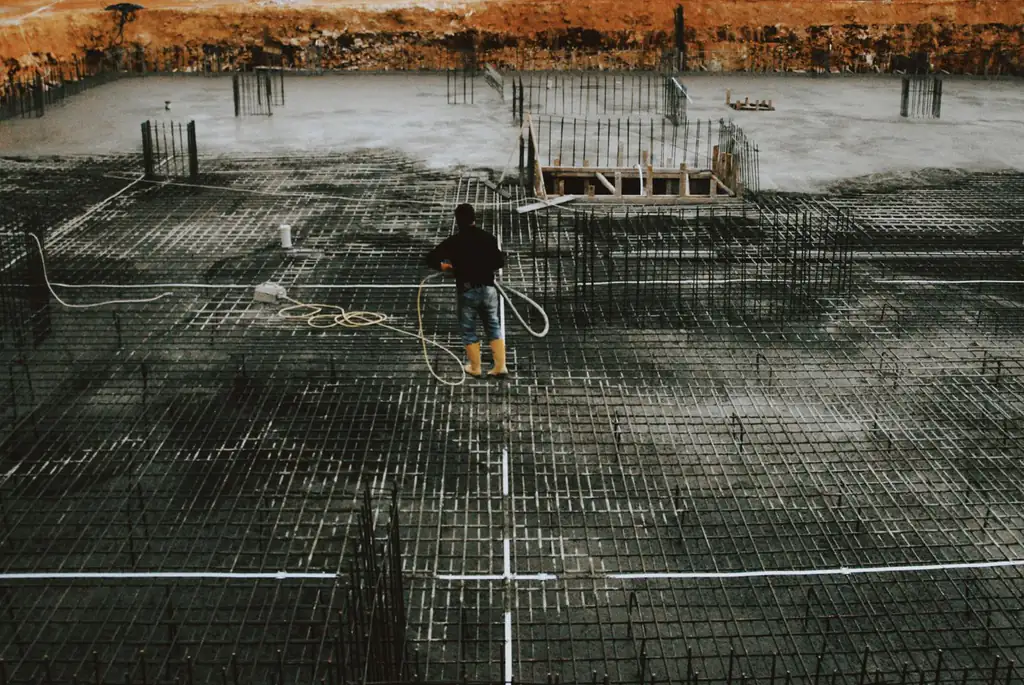
Hydrostatic pressure is the force water in saturated soil pushes against your foundation. As the ground around the house fills with water, that pressure grows and can drive moisture through walls and floors — which is why keeping the soil around the foundation dry matters so much.
Hydrostatic pressure is the sideways and upward force that water in saturated soil pushes against your foundation. When the ground around your house fills with water, that pressure builds and can drive moisture through walls and floors. Keeping the soil around the foundation as dry as you reasonably can is the most effective way to keep that pressure — and the leaks it causes — in check.
It is one of those terms that sounds highly technical but describes something you have already felt. Wade into a pool and your ears feel the push at the deep end. That same push, scaled to the wet ground wrapped around your basement, is what this article is about.
Water has weight. When soil is dry, the spaces between soil particles hold air, and there is little force acting on your foundation beyond the weight of the dirt itself. When it rains and that soil saturates, the pore spaces fill with water instead. Now you have a body of water sitting in the ground, and water pushes in every direction it can.
The deeper you go, the more water is stacked above, so the pressure increases with depth. That is why the base of a basement wall and the floor slab tend to feel it most — they sit at the bottom of whatever water has collected in the surrounding soil.
Two things drive how much pressure your foundation sees:
Both of these vary enormously from one property to the next, so there is no single number that describes “normal.” What matters is the pattern: wetter soil, held longer, against a deeper wall means more pressure.
Picture the soil against your foundation as a sponge. After a dry spell it is light and the wall barely notices it. A long rain, a fast snowmelt, or roof water dumping in one spot soaks that sponge. Once it is full and more water keeps arriving, the excess has nowhere to go and simply raises the water level in the ground.
As that level climbs the outside of your wall, the pressure at the bottom rises with it. If the soil is slow-draining clay, it can stay saturated for days after the sky clears, which is why some basements leak long after the rain stops. If the ground slopes toward the house or the surface is compacted and sheds water poorly, saturation happens faster and reaches higher.
Hydrostatic pressure is about the water path around your foundation, not about diagnosing the structure itself. If you notice cracks widening, walls bowing inward, or floors that have shifted, treat that as a separate question and bring in a licensed professional.
Concrete and block look solid, but they are porous, and every foundation has natural weak points where water gets in when it is pushed hard enough:
Without pressure behind it, a little dampness in the soil just sits there. Add pressure and that same moisture is actively pushed through any available path. This is why the same basement can be bone dry for months and then seep during one wet week — the water was always in the soil, but the pressure that forces it through only shows up when the ground saturates.
Here is the encouraging part: most homeowners can cut hydrostatic pressure meaningfully without ever excavating. The trick is to stop water from reaching the soil against the foundation in the first place.
The soil right next to the house — roughly the first several feet — is what presses on the wall. If you keep that band drier, you lower the pressure. Two habits do most of the work:
If your basement seems fine most of the year but weeps after storms, the water is almost always arriving at the surface. Why a basement gets wet after rain walks through that pattern in detail.
Surface control handles the water you can see. When the water table itself sits high, or the soil stays saturated no matter how well you grade, you also need a way to relieve the water already down at the footing.
That is the job of a footing (foundation) drain: a perforated pipe laid along the base of the foundation that collects groundwater and carries it to a lower outlet or to a sump, where a pump lifts it away. By giving the water an easy path out, the system keeps the water level — and therefore the pressure — from building against the wall. These are bigger jobs, often involving excavation or interior work, and they are covered separately.
| Factor | Lower pressure | Higher pressure |
|---|---|---|
| Grading near the house | Slopes away | Flat or slopes toward |
| Roof runoff | Carried several feet out | Dumped at the wall |
| Soil type | Sandy, drains fast | Dense clay, holds water |
| Water table | Sits well below footing | Rises near or above footing |
| Footing drain | Present and clear | Absent or clogged |
Think of these as dials. You rarely control all of them, but improving any one moves you in the right direction. Grading and runoff are usually the easiest to reach and often the most impactful.
Hydrostatic pressure is not something to fear so much as something to manage. It is simply the weight of water in the ground pushing on your foundation, and it rises and falls with how wet that ground gets. Keep the soil against the house as dry as you reasonably can — slope the grade away, carry roof water off, and add drainage where the water table demands it — and you take most of the force out of the equation. Because so much of it depends on your specific soil, climate, and how your lot was built, treat the ideas here as a framework to apply to your own property rather than fixed numbers to hit.
FAQ
It is the pressure that standing water in the soil exerts on whatever it touches. When the ground around your foundation is saturated, the water in it pushes sideways against the walls and up against the floor slab.
Concrete is porous and usually has joints and small cracks. Under enough pressure, water finds those paths and shows up as damp spots, seepage at the floor-wall joint, or moisture through the slab, even when the wall looks solid.
No. It affects crawl space walls and slab-on-grade floors too. Any part of the foundation in contact with saturated soil can feel the pressure, though basements below grade tend to see it most.
Keep water away from the soil in the first place. Grade the ground to slope away, move roof runoff well past the foundation, and, where groundwater is high, use footing drains and a sump to carry collected water off.
The pressure itself is a water issue, and most of the time managing the water solves it. But if you also see cracking, bowing walls, or movement, that points to a structural question for a licensed professional.
Rain saturates the soil quickly and raises the water level around the foundation, spiking the pressure for a while. As the ground drains, the pressure drops and the leaking usually stops until the next storm.
Coatings can slow surface dampness, but they do not remove the pressure behind the wall. If water is being pushed hard enough, it tends to find another path. The durable fix is managing the water in the soil.
Keep reading
The visible warning signs of a foundation drainage problem, how to tell a drainage issue from a structural one, and when to call a professional.
How window wells flood, why they leak into basements, and how drains, covers, and good grading keep below-grade windows dry.
What foundation grading is, how to check the slope of the soil around your house, and how to fix a negative grade without burying your siding.