Gutter Guards for Heavy Rain
Which gutter guards handle heavy rain, why water sheets over some designs, and how intake area and a clean surface keep a downpour flowing into the trough.
Gutter Guards

When water runs over a gutter guard and past the trough, it is usually a grimed-over mesh, too little intake area for the flow, or a reverse-curve design shedding fast runoff off the nose. Cleaning the surface or adding capacity usually fixes it.
When water arcs over your gutter guard and lands past the trough in a storm, it is almost always one of three things: a mesh grimed over with pollen and grit, too little intake area for the amount of water arriving, or a reverse-curve design shedding fast runoff off its nose. The good news is that the first cause — a dirty surface — is both the most common and the easiest to fix. Cleaning the surface or adding drainage capacity resolves most overshoot; only some cases call for a different guard.
Overshoot is water going over and past the gutter rather than into it. It differs from a plain overflow, where water brims up out of a full trough. With a guard, the water often never makes it into the trough at all — it films across the top of the guard or carries off a curved lip, then falls beyond the outer edge onto the ground below. From the street both look like a curtain of water off the eave, but the cause and the cure are different.
The underlying issue is a rate mismatch. Water arrives from the roof faster than the guard surface can take it in, so the excess has to go somewhere, and gravity plus momentum carry it forward off the front.
Before changing anything, figure out which of the three patterns you are seeing. The timing and location of the overshoot are the best clues.
| Symptom | Likely cause | First check |
|---|---|---|
| Got gradually worse over months or years | Grimed / clogged surface | Inspect mesh for a film of pollen, dust or grit |
| Only in the very hardest downpours | Too little intake area | Compare roof area feeding the run to the guard’s open area |
| Off one curved lip, worst on steep roof sections | Reverse-curve shedding | Look at the nose while it rains; is water leaving the lip? |
| Present even right after cleaning | Intake area or design, not dirt | Rule out surface grime, then look at capacity and type |
| Was overflowing before the guard, too | Undersized gutter/downspout | Check trough and downspout size against the roof |
Inspecting the guard both wet and dry helps. A surface that looks clean when dry can still shed water if a fine film is present; watching it during rain tells you whether water is soaking through or skating across.
If your gutters overflowed in storms before you had guards, the guard is not the root cause. The trough or downspouts are undersized for your roof, and that limit remains no matter what surface sits on top.
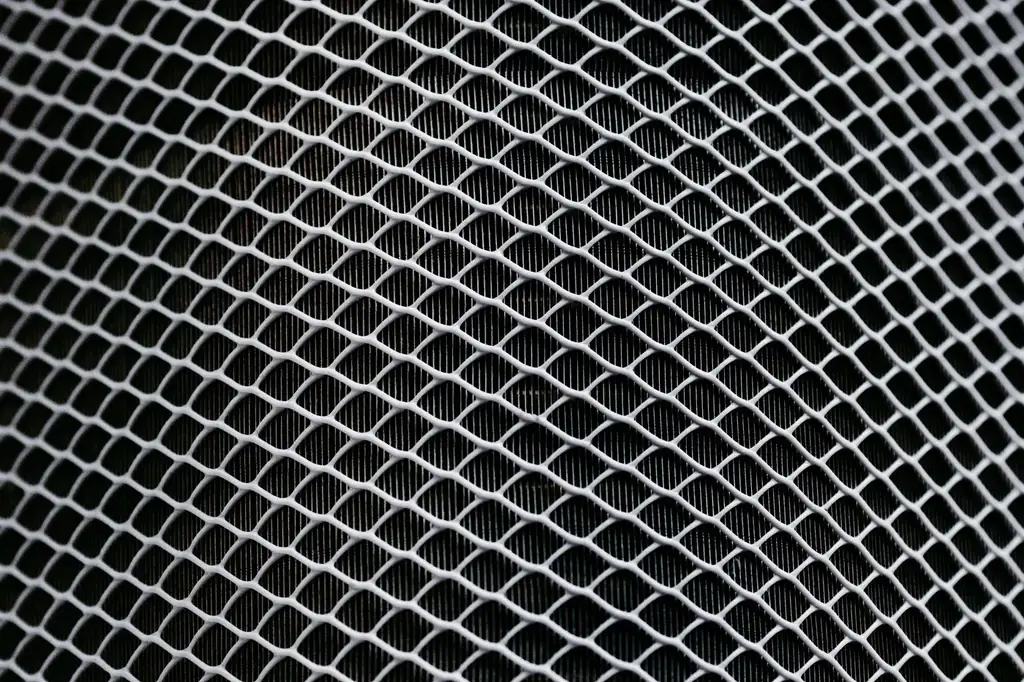
If grime is the cause, restoring the guard’s open area usually restores its flow. Fine micro-mesh is the type most sensitive to this, because its small openings are the first to clog with pollen and roof grit. How you clean matters — scrubbing the wrong way can push grime deeper — so it is worth following a method suited to the material, which we lay out in how to clean micro-mesh gutter guards.
If the guard overshoots even when clean, the system likely cannot move enough water. Options, roughly in order of effort:
If a curved nose is shedding fast runoff, cleaning the nose and confirming alignment can help, but some reverse-curve installations simply overshoot on steep, high-flow roofs. In that case a mesh or screen with more forgiving intake may be the better match. This connects to the broader problem of gutters that overflow in heavy rain, where the same capacity questions apply with or without a guard.
Overshoot is a rate problem: water arriving faster than the guard can take it in. Diagnose before you act — a surface that got worse over time points to grime, overshoot only in the hardest rain points to intake area, and water leaving a curved lip on a steep roof points to the reverse-curve design. Clean first, because a grimed mesh is the most common and most fixable cause. If it still overshoots clean, look at the capacity of the gutters and downspouts underneath, and only then consider a different guard. Most overshoot ends with a clean surface or a bit more drainage, not a full replacement.
FAQ
The water cannot get through the surface fast enough, so it films across the top and off the front edge, or fast runoff carries past a curved nose. The three usual causes are a grimed-over mesh, too little intake area for the flow, and a reverse-curve design shedding fast water off its nose.
Look at where and when it happens. Overshoot only in the hardest rain suggests too little intake for the flow. Overshoot that got worse over time points to a dirty surface. Overshoot off a specific curved lip on a steep roof points to the reverse-curve design. Inspecting the surface wet and dry helps confirm.
Often, yes — if the cause is a grimed or clogged surface. Clearing pollen, dust and grit restores the open area the water needs. If the guard overshoots even when spotless, the cause is more likely intake area or the design, and cleaning alone will not fix it.
Sometimes. Confirming the downspouts are clear, adding a downspout, or upsizing gutters can raise the system's capacity underneath the guard. If the guard surface itself is the bottleneck, though, a higher-flow guard type may be needed.
They can, in specific conditions. Reverse-curve guards rely on water clinging around a nose into a slot. In a hard downpour or off a steep roof, fast runoff can carry past the nose. Clean mesh with good open area is less prone to that particular failure, though it has its own weakness to grime.
It can be either. If a bare gutter already overflowed in storms, the trough or downspouts are undersized and the guard is not to blame. If the gutter drained fine before and overshoots only since the guard went on, the surface or design is the likely culprit.
Keep reading
Which gutter guards handle heavy rain, why water sheets over some designs, and how intake area and a clean surface keep a downpour flowing into the trough.
Do gutter guards cause ice dams? No — ice dams come from attic heat loss and refreezing at the eave. How guards interact with ice and what actually helps.
How roof grit and shingle granules affect gutter guards — why fine grit blinds mesh and settles in troughs, and how to manage it as shingles age.