Why Gutter Guards Overshoot in Storms
Why gutter guards overshoot in storms — grimed mesh, too little intake, or a reverse-curve nose — how to diagnose which, and the fixes that usually work.
Gutter Guards

In a downpour the risk is water sheeting over a guard instead of through it. Open screens and well-designed mesh with enough intake area handle high flow best; a fine mesh clogged with grime, or a reverse-curve that overshoots, can send water past the gutter.
If your gutter guards overflow in a downpour, the usual problem is that water is sheeting across the surface instead of flowing through it. Heavy rain is the hardest test any guard faces: water arrives faster than a partly blocked or low-capacity surface can take it in, and the excess runs off the front edge and past the trough. Open screens and well-designed mesh with plenty of intake area cope best. A fine mesh coated in grime, or a reverse-curve design that overshoots, is where you most often see water skipping the gutter entirely.
A gutter that overflows without any guard is telling you the trough or downspout cannot move water fast enough. Add a guard and you introduce a second bottleneck: the water first has to get through the surface before it can even reach the trough. In light rain that is trivial. In a heavy storm, the intake surface becomes the limiting factor.
Two failure patterns dominate:
Both look the same from the ground — water pouring off the eave in a storm — but the fixes differ.
The single most useful concept here is intake area: how much open surface the guard offers for water to pass through, relative to how much water your roof delivers. A large roof plane feeding a short run of guard concentrates a lot of water on a small intake. A steep pitch delivers that water faster, giving it more momentum to carry past the opening.
| Factor | Effect on heavy-rain performance |
|---|---|
| Open area of the guard | More open area passes more water before sheeting begins |
| Roof size feeding the run | Larger contributing roof concentrates more flow per foot of gutter |
| Roof pitch | Steeper roofs deliver faster runoff with more momentum to overshoot |
| Surface cleanliness | Grime and pollen shrink effective open area, worst on fine mesh |
| Gutter and downspout size | Undersized troughs and downspouts back up even if the surface passes water |
Notice that the guard is only part of the system. If the gutter and downspouts underneath are undersized, water backs up regardless of how good the surface is.
Guard types trade off flow against how completely they block debris. Our comparison of micro-mesh versus screen guards covers that trade-off in depth; here is how each tends to behave when the sky opens up.
| Guard type | Heavy-rain behavior |
|---|---|
| Open aluminum / steel screen | High flow; large openings pass water fast but let smaller debris through |
| Coarse mesh | Good flow with better debris control than open screen |
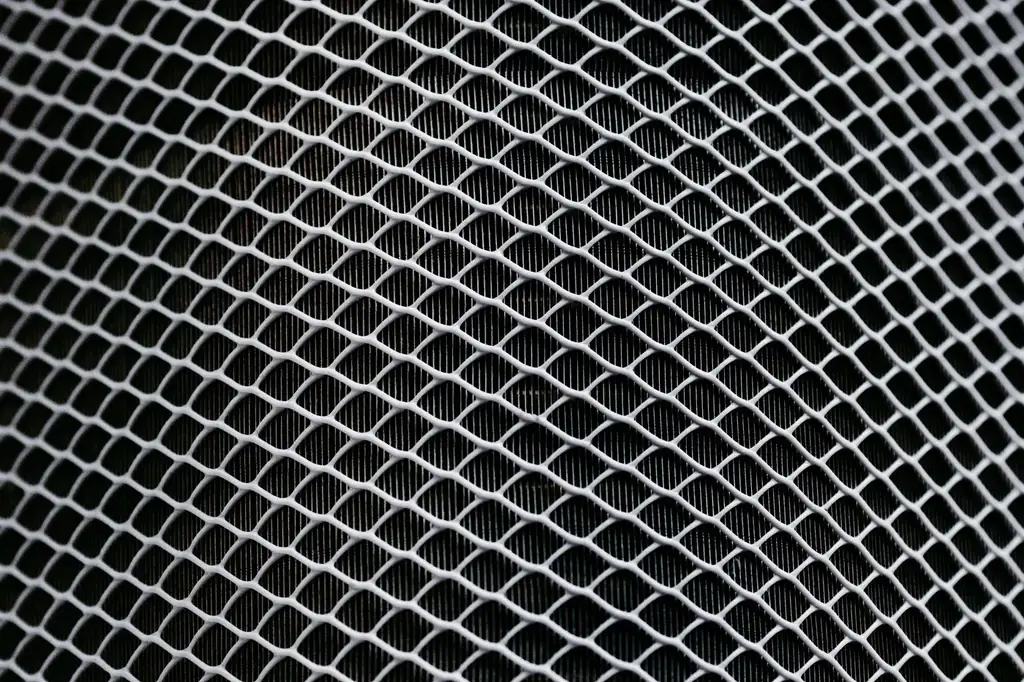
| Fine micro-mesh | Good when clean; small openings slow first when coated with grime |
| Reverse-curve | Can overshoot in hard rain or off steep roofs if the nose is dirty or misaligned |
| Foam / brush inserts | Flow drops sharply once the insert saturates or holds debris |
Reverse-curve products deserve their own note because their behavior is the least intuitive. They rely on surface tension pulling water around a curved nose into a slot — a principle worth understanding before you judge one, which we explain in reverse-curve gutter guards explained. When they work, they work well; when the runoff is too fast or the nose is fouled, the same water that should curl in shoots straight off.
No guard changes the size of your gutters or downspouts. If a bare gutter already overflowed in storms, adding a guard on top will not add capacity — and may reduce it. Size the drainage to the roof first.
For fine mesh especially, a clean surface is the difference between passing a downpour and sheeting it off the edge. Pollen, roof grit, and a film of dust are enough to shrink the effective open area, and they build up gradually so you may not notice until the first hard storm reveals it.
Heavy rain does not defeat gutter guards so much as expose the weakest part of the system. If water is going over the top, ask three questions in order: is the surface clean, does the guard offer enough intake area for this roof, and are the gutters and downspouts underneath sized and clear? A clean, high-open-area guard over properly sized drainage will pass most downpours. A grimed mesh, an overwhelmed low-flow surface, or a reverse-curve nose shedding fast runoff is where the water ends up on your foundation instead of in the trough.
FAQ
Good ones do, but heavy rain is the hardest test. In a downpour, water arrives faster than a partly blocked or low-intake guard can absorb, and the excess sheets across the surface and off the front edge. Guards with generous open area and a clean surface handle high flow best.
Usually because the water cannot get through the surface fast enough. That happens when fine mesh is coated with pollen, dust or roof grit, when the guard has too little intake area for the roof it serves, or when a reverse-curve design lets fast runoff shoot past the nose instead of curling in.
Open aluminum screens and well-engineered mesh with a high percentage of open area tend to pass water fastest. The best choice also depends on your trees, roof pitch and how much upkeep you will do. A high-flow guard that clogs and is never cleaned will underperform a modest one that stays clear.
Clean micro-mesh can pass a surprising amount of water, but its small openings are the first to slow when coated with fine grime. In heavy rain a grimed-over mesh is a common cause of water sheeting over the edge, so surface cleaning matters more with fine mesh than with coarse screen.
Yes. Reverse-curve guards rely on water clinging to a curved nose and curling into a slot. In a hard downpour or off a steep roof, fast runoff can carry past the nose and overshoot the gutter entirely, especially if the nose is dirty or the guard is misaligned.
Start by cleaning the surface so water can get through. Confirm the gutter and downspouts underneath are clear. Then consider whether the guard has enough intake area and whether the gutter and downspout sizing match your roof. If a design consistently overshoots, a different guard type may be needed.
Keep reading
Why gutter guards overshoot in storms — grimed mesh, too little intake, or a reverse-curve nose — how to diagnose which, and the fixes that usually work.
Do gutter guards cause ice dams? No — ice dams come from attic heat loss and refreezing at the eave. How guards interact with ice and what actually helps.
How roof grit and shingle granules affect gutter guards — why fine grit blinds mesh and settles in troughs, and how to manage it as shingles age.