Do Gutter Guards Work in Snow and Ice?
Gutter guards do not stop ice dams and can complicate ice removal. Here is how guards behave in snow, which designs cope better, and what not to do.
Gutter Guards
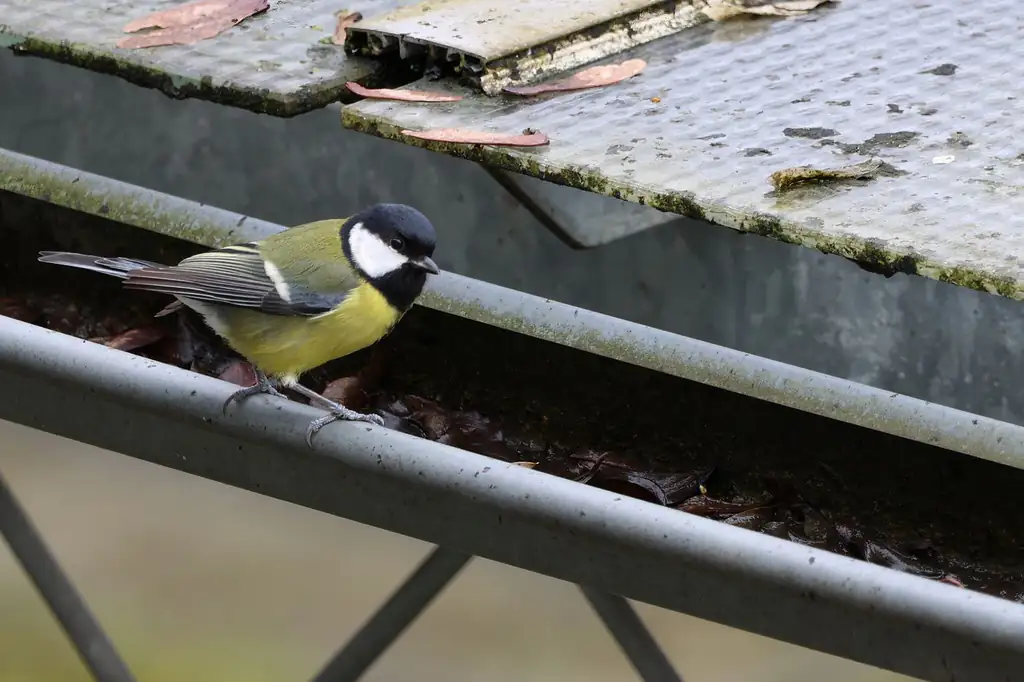
Gutter guards do not cause ice dams. Ice dams form when heat escaping into the attic melts roof snow that refreezes at the cold eave, a process driven by insulation, ventilation, and attic heat loss. Guards can collect ice or make an existing dam more visible, but they neither create the heat loss nor the melt-refreeze cycle behind a dam.
Gutter guards do not cause ice dams. This is one of the most common winter worries about guards, and the answer is clear: ice dams form because heat escaping into the attic melts snow on the roof, and that meltwater refreezes when it reaches the cold eave and gutter. That melt-refreeze cycle is driven by attic heat loss, insulation, and ventilation — none of which a gutter guard creates or changes. A guard can freeze over, collect its own layer of ice, or make an existing dam more visible, but it is a bystander, not the cause. Understanding this matters, because the effort people spend adjusting or removing guards would be far better aimed at the attic. Here is how it actually works.
An ice dam is a ridge of ice at the roof’s edge that blocks meltwater from draining, so water backs up behind it and can work under the shingles. The sequence is always the same:
The engine of this whole process is temperature difference across the roof, set by insulation and ventilation. For the full mechanism, see how ice dams form. Notice that the gutter and its guard appear nowhere in the cause — they are simply where the ice becomes visible.
It is easy to blame the guard, because the ice you see forms right at the guard and gutter. But correlation is not cause:
This is the same reason the related question of whether gutters themselves cause ice dams comes up so often; as do gutters cause ice dams explains, gutters and guards can hold ice without being the cause of it.
If you have ice dams with guards, removing the guards will not fix them — the cause is in the attic, not the gutter. Redirect that effort toward air sealing, insulation, and ventilation.
| In winter, a gutter guard… | Reality |
|---|---|
| Causes ice dams | No — attic heat loss does |
| Prevents ice dams | No — it does not affect roof heat loss |
| Can freeze over | Yes — and then admits no water |
| Makes a dam more visible | Yes — ice forms right at the edge |
| Should be removed to stop dams | No — open gutters freeze the same way |
The honest summary is that a standard guard is neutral on ice dams. It neither causes nor prevents them, because it sits downstream of the real problem. For how different guard designs behave in cold and snow more broadly, see gutter guards in snow and ice climates.
Some systems add heat — heated guards or heat cables run along the eave — to keep a channel open so meltwater can drain instead of backing up. These can reduce icicles and eave backup, but it is important to be clear about what they do: they manage the symptom, using energy to melt a path, rather than removing the attic heat loss that creates the dam. They are a mitigation, not a cure. The trade-offs of heat cables and gutter heat tape are worth reading before relying on them.
Believing that guards cause ice dams leads to wasted effort in exactly the wrong place. Homeowners strip guards off in freezing weather, climb ladders in winter to chip at ice, or hold off installing guards they would otherwise benefit from — all in the belief that the guard is the culprit. Meanwhile the attic keeps leaking heat, the roof deck stays warm, and the dam forms again the next time it snows. The ice returns because nothing about the actual cause has changed.
It also skews product decisions. A guard chosen or rejected on the basis of ice-dam fear is being judged on something it does not control. The sensible order is to treat ice dams as a roof-and-attic problem to be solved on their own terms, and to choose a gutter guard on the grounds that actually matter for it — debris load, roof type, and how much fine material your surroundings produce. The two questions are simply separate.
The lasting fixes all target heat loss, keeping the roof deck cold so snow melts evenly and drains before it can refreeze:
None of these involve the gutter or the guard, which is exactly the point. Once the roof stays cold, the melt-refreeze cycle stops, and whether or not you have guards becomes irrelevant to ice dams.
FAQ
No. Ice dams are caused by heat escaping into the attic, which melts snow on the roof that then refreezes at the cold eave. Gutter guards do not create that heat loss or the melt-refreeze cycle. A guard can collect ice or make an existing dam more visible, but it is not the underlying cause.
Ice dams form when warm spots on the roof melt snow, the meltwater runs down to the colder eave and gutter, and it refreezes there. The driver is heat loss from the living space into the attic combined with poor ventilation, not the gutter or its guard.
They generally do not make the dam itself worse, but a guard can freeze over and add a visible layer of ice at the eave, and a guard encased in ice cannot admit water. The dam forms from attic heat regardless of whether a guard is present.
No. Most standard guards do not prevent ice dams because they do not address attic heat loss, which is the real cause. Some heated guard or cable systems aim to keep a drainage channel open, but that manages symptoms rather than removing the cause.
Removing guards will not stop ice dams, because the cause is attic heat loss, not the guard. Open gutters freeze in the same conditions. The effective fixes are attic insulation and ventilation, so guard removal is usually not worth the effort or risk.
Heated guards or heat cables can help keep a path open for meltwater to drain, reducing icicles and backup at the eave. They manage the symptom and use energy to do it, but they do not fix the attic heat loss that creates the dam in the first place.
The lasting fixes address heat loss: sealing air leaks into the attic, adding insulation, and improving attic ventilation so the roof deck stays cold and snow melts evenly. These stop the melt-refreeze cycle, which is what guards and gutters cannot do.
Keep reading
Gutter guards do not stop ice dams and can complicate ice removal. Here is how guards behave in snow, which designs cope better, and what not to do.
How roof grit and shingle granules affect gutter guards — why fine grit blinds mesh and settles in troughs, and how to manage it as shingles age.
How to install gutter guards step by step — prep, the main mounting methods, avoiding shingle and warranty problems, and when to call a pro.