Gutter Materials Compared — Aluminum, Steel, Copper, Zinc and Vinyl
Compare aluminum, steel, copper, zinc and vinyl gutters by lifespan, cost, looks and climate fit to pick the right material for your home.
Gutters
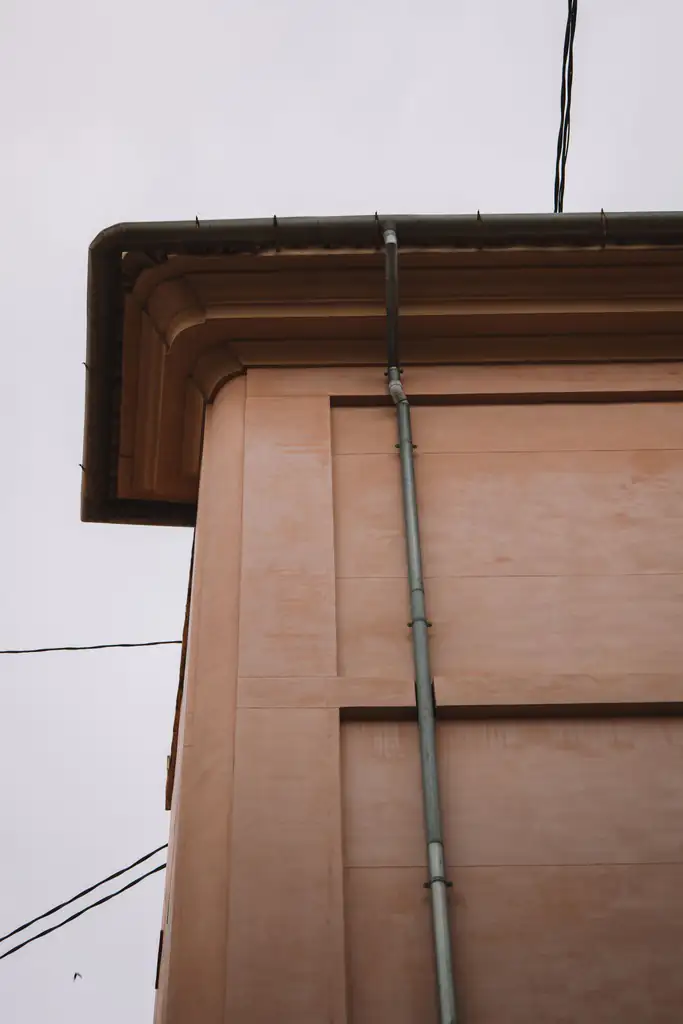
Copper gutters are a premium, very long-lived choice — often 50 years or more — that weathers from bright metal to brown and then a green patina, joined with soldered seams rather than sealant. They cost several times more than aluminum and need care around dissimilar metals.
Copper gutters sit at the top of the residential lineup: they last a very long time, often half a century or more, and they age into a distinctive brown-then-green finish rather than simply wearing out. Instead of relying on sealant, a traditional copper system is soldered into continuous metal joints. The trade-off is real, though — copper costs several times what aluminum does, and it demands respect around other metals.
Copper earns its reputation for a few reasons that go beyond looks. It does not rust the way steel does, so the usual failure story for cheaper metal gutters — rust eating through the trough — simply is not part of the picture. The metal is also soft enough to shape cleanly yet strong enough to hold form over decades.
Because copper is worked and joined by hand, a copper installation is as much about craftsmanship as material. If you want a broader sense of where copper fits among your options, the aluminum vs copper comparison lays the two side by side.
Copper also pairs naturally with the half-round profile that suits many older and architecturally detailed homes, though it is available in K-style as well.
One of the defining features of copper is that it does not stay the way it looked on install day. It weathers, and that weathering happens in fairly predictable stages.
Fresh copper is shiny and salmon-pink to orange. This is the shortest phase — within weeks of exposure, the surface begins to dull.
Over months, oxidation deepens the color to a russet and then a chocolate brown. Many homeowners actually prefer this middle stage, and some slow it down with clear coatings.
Given enough years and weather, copper develops the classic verdigris — a green to blue-green film. The timeline varies a lot with climate; damp, coastal, or industrial air speeds it up, while dry inland air slows it down. The patina is not decay. It is a stable surface layer that actually helps shield the metal beneath.
Patina develops unevenly. Sections that see more rain, shade, or runoff will change color faster than sheltered runs, so expect a mottled look for years before it evens out. This is normal, not a defect.
Most aluminum and steel gutters rely on gaskets, rivets, and sealant at their joints, and those sealants eventually dry out and need redoing. Copper takes a different path: the seams are soldered, meaning a filler metal is melted into the joint to fuse the pieces into one continuous surface.
A well-soldered joint has no sealant to fail, which is a big part of why copper systems last so long. It is also skilled work. Soldering copper on a ladder is not a typical weekend DIY task, and a poor solder joint can leak or crack. This is one material where most homeowners hire an experienced installer.
It is easy to find dramatic claims about copper. Here is a hedged version you can rely on.
| Factor | Copper (rule of thumb) | Aluminum (for comparison) |
|---|---|---|
| Typical lifespan | 50+ years, often longer | Roughly 20 years, varies |
| Joining method | Soldered seams | Sealant, rivets, gaskets |
| Rusts? | No | No (but coating can fail) |
| Relative material cost | Several times higher | Baseline |
| Weathering | Brown to green patina | Painted finish fades slowly |
| DIY-friendly | Rarely | More approachable |
Treat every figure here as a general guide, not a promise. Actual lifespan depends heavily on install quality, climate, and maintenance, and actual cost depends on your local labor market and roof complexity. For a fuller discussion of what drives gutter longevity across materials, see how long gutters last.
This is the one technical caution every copper owner should understand. When copper touches a less noble metal — aluminum, steel, or zinc — in the presence of moisture, it can drive galvanic corrosion. The other metal becomes the sacrificial one and corrodes faster than it otherwise would.
In practice, that means the whole assembly should stay copper-compatible: copper or bronze hangers, copper fasteners, and copper downspouts. A common and avoidable mistake is running copper gutters into steel or aluminum straps, or letting copper runoff drip onto an aluminum roof edge or a galvanized surface below. Runoff carrying trace copper can stain and corrode metal it lands on.
Keep in mind this is strictly about metal-to-metal galvanic action. It is separate from questions of foundation drainage or below-grade waterproofing, which are their own topics entirely.
Copper rewards a long time horizon. If you plan to stay in the home, care about how the eaves look, and want a system that can outlast most of the roof, copper is a defensible splurge. If your priority is dollars-per-year of protection, aluminum usually wins on value, and there is no shame in that.
Whatever you choose, the fundamentals still apply: the gutter has to be sloped correctly, sized for your roof, and fed by enough downspouts. A premium metal poorly hung will still overflow. If you want to ground yourself in the basics first, start with how gutters work before committing to any material.
FAQ
As a rule of thumb, well-installed copper gutters often last 50 years or more, and sometimes far longer. The metal itself does not rust, so lifespan usually comes down to the quality of the seams and hangers rather than the copper.
Copper reacts slowly with air and moisture. It moves from bright metal to a warm brown, then over many years develops a green or blue-green patina layer. That patina is a natural surface film that also helps protect the metal underneath.
Traditional copper systems are soldered, meaning the seams are fused with molten solder into a continuous metal joint. That is a big reason for their longevity, but it is also skilled work that most homeowners hire out.
There is no single price, but copper commonly runs several times the cost of aluminum once you account for both material and the skilled labor to solder it. Treat any figure you see as a rough range, not a quote.
Be careful. Copper in contact with aluminum, steel, or zinc can drive galvanic corrosion, where the less noble metal corrodes faster. Fasteners, hangers, and downspout connections should be copper or a compatible metal.
You can slow it with clear lacquers or periodic cleaning, but keeping copper bright indefinitely takes ongoing maintenance. Many owners let it patina naturally because the green film is stable and protective.
That depends on your goals. For a long-term home where appearance and longevity matter, copper can make sense. For a purely budget-driven project, aluminum usually delivers more value per dollar.
Keep reading
Compare aluminum, steel, copper, zinc and vinyl gutters by lifespan, cost, looks and climate fit to pick the right material for your home.
Aluminium and copper sit at opposite ends of the gutter market. Compare their lifespan, cost, maintenance and appearance to decide which fits your home.
How galvanized, Galvalume, and stainless steel gutters compare on strength, rust resistance, climate fit, and cost, plus a galvanic corrosion warning.