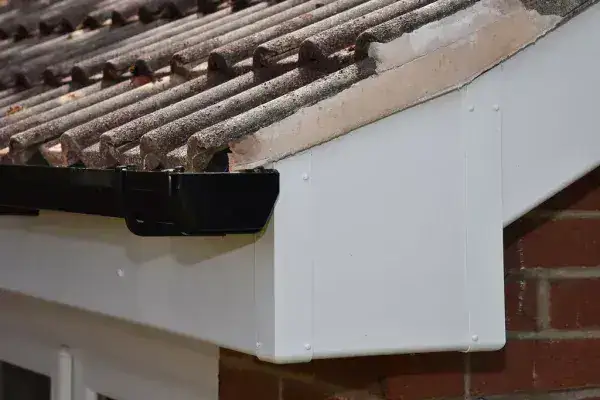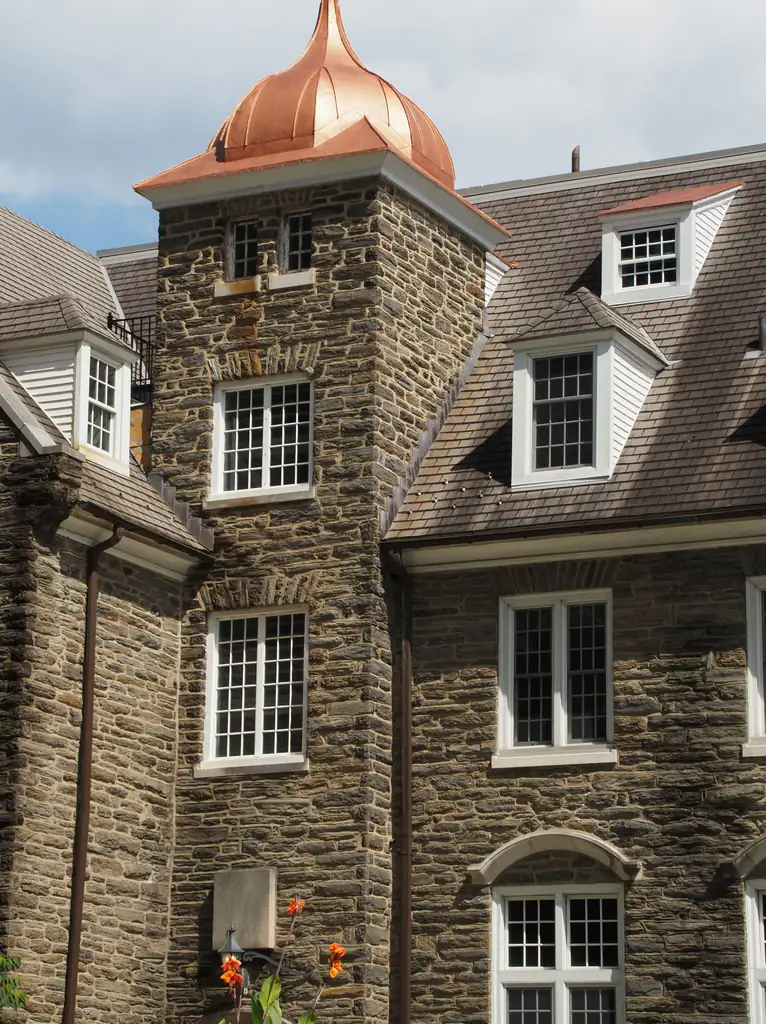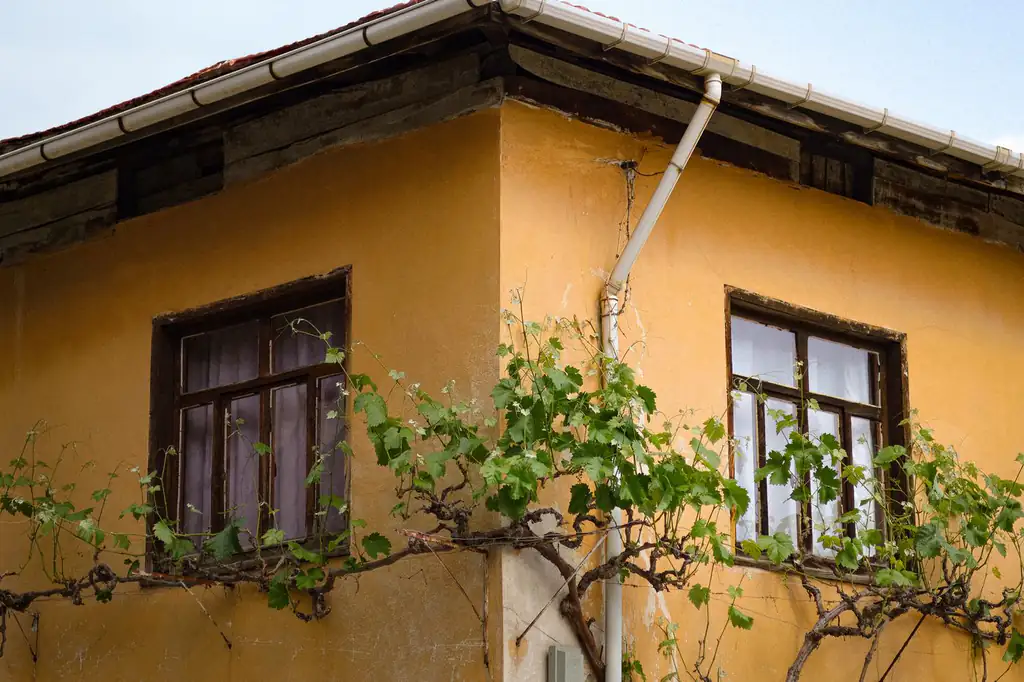
Do Gutters Add Home Value?
Whether gutters raise a home's value, why their worth is mostly protective, and how condition and curb appeal shape what a buyer sees.
Gutters
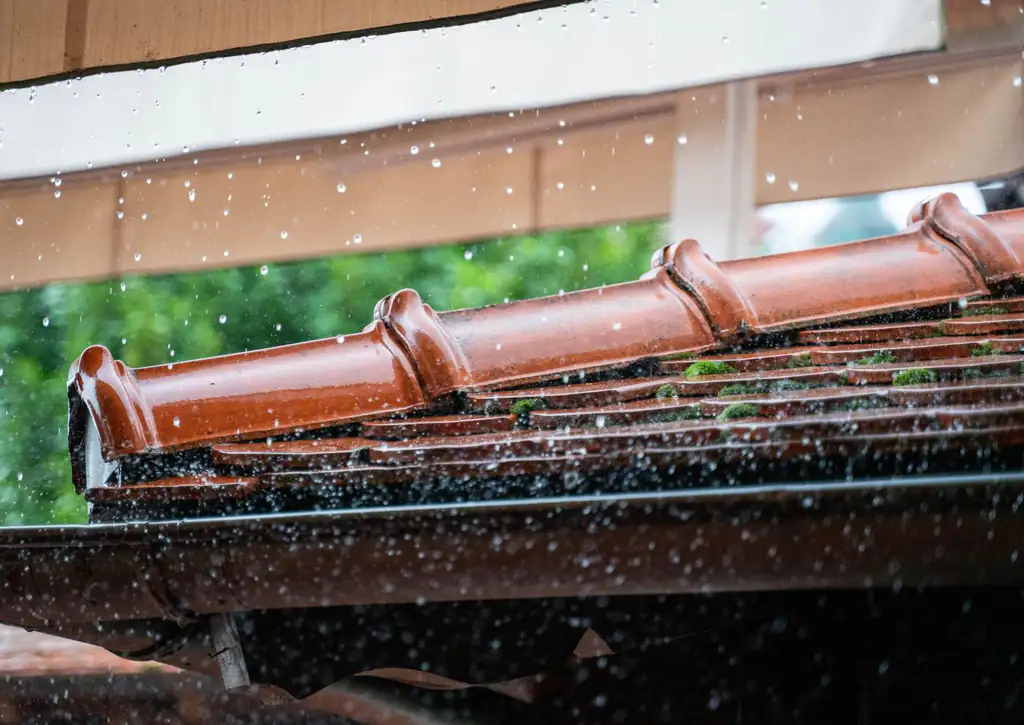
Gutter color and profile change how a house reads — matching the trim makes gutters disappear, matching the roof makes them recede, and a contrasting color draws the eye. Material limits the options: aluminum takes many colors, while copper and zinc are their own finish.
Gutters do more visual work than people expect. Match them to the trim and they melt into the trim line so you stop seeing them. Match them to the roof and they settle quietly against the roof edge. Pick a contrasting color and they become a deliberate line that frames the house. The catch is that your material sets the menu: aluminum comes in a broad range of colors, while copper and zinc bring their own metal finish and weather into it over time.
Before picking a shade, decide what you want the gutter to do visually. There are really three strategies.
Painting or ordering gutters to match the fascia and trim is the most common approach, and the most forgiving. The gutter reads as an extension of the trim line and effectively disappears. If you want the roofline clean and uncluttered, this is the reliable move.
Matching the gutter to the roof color lets it recede against the shingles at the very edge of the roof. This works well when the fascia is narrow or when you would rather the eye travel along the roof than stop at the gutter.
A contrasting gutter — say a dark line against light siding — turns the system into an accent. Done deliberately, it can outline the architecture crisply. Done by accident, it just looks mismatched. Contrast is the choice that most demands intention.
Don't forget the downspouts. The vertical runs are often matched to the wall they travel down rather than the gutter, so they blend into the siding. Deciding this up front keeps the whole system looking considered.
Color is only half the story. The gutter’s profile — its cross-sectional shape — changes the character of the roofline.
A K-style gutter has a flat back and a decorative front face that reads a little like crown molding, which suits many contemporary and traditional American homes. A half-round is a simple open curve with an older, more classic feel that pairs naturally with historic and architecturally detailed houses. Neither is better; they set different tones. The full comparison lives in K-style vs half-round gutters.
Here is where curb-appeal dreams meet reality. Not every material can be any color.
| Material | Color options | Notes on appearance |
|---|---|---|
| Aluminum | Wide range of factory finishes; paintable | The flexible choice for matching any scheme |
| Steel | Factory finishes available | Similar color flexibility to aluminum |
| Copper | The metal’s own finish | Weathers bright to brown to green patina |
| Zinc | The metal’s own finish | Develops a soft grey-blue patina over time |
| Vinyl | Limited molded colors | Color is set; fewer shades, can fade |
Aluminum is the reason so many houses have color-matched gutters — its finishes cover most palettes and it takes paint. Copper and zinc, by contrast, are not about paint at all. You choose them for the material itself and accept, even welcome, how they weather. For the broader trade-offs behind each option, see gutter materials compared.
Color chips lie a little. A finish that looks perfect in your hand can read differently up on the eave, in full sun, against the actual siding and roof. If you can, look at a real sample piece held at the roofline at different times of day before ordering a whole house worth of one color. Lighting, roof color, and siding all shift how a gutter shade reads.
Gutter appearance is a small set of decisions that add up: pick a strategy — blend into the trim, recede against the roof, or contrast on purpose — then let your material set the realistic palette, and choose a profile that fits the house’s character. Sample before you buy, plan the downspouts, and remember that the best-looking gutter is still one that carries water properly. Style and function are not a trade-off; the goal is a system that works well and looks like it was always meant to be there.
FAQ
Both are valid. Matching the trim makes gutters read as part of the trim line and visually disappear. Matching the roof lets them recede against the roof edge. The right choice depends on which line you want to quiet down.
Blended is the safe, tidy choice and suits most houses. A contrasting color turns the gutter and downspout into a deliberate accent line, which can look sharp on the right architecture but draws the eye, so it has to be intentional.
With aluminum, you have a wide range of factory finishes and can often paint them too. Copper and zinc are different — their color is the metal itself and its natural weathering, so you choose a material rather than a paint color.
Yes. A K-style profile has a decorative face that reads a bit like crown molding, while a half-round has a simpler, more traditional curve. The shape changes the character of the roofline as much as the color does.
Largely, yes. Matching the fascia or trim so the gutter blends into an existing line is the most reliable way to make gutters recede visually. They are still there, just no longer competing for attention.
Painted and factory finishes can fade gradually with sun exposure, and darker colors may show it more. Quality finishes resist this well, but no coating is permanent, so treat deep colors as a long-term, slow-changing choice.
Often the downspout is matched to the wall it runs down rather than the gutter, so the vertical run blends into the siding. Matching the gutter instead keeps the whole system as one consistent line. Both are common choices.
Keep reading
Whether gutters raise a home's value, why their worth is mostly protective, and how condition and curb appeal shape what a buyer sees.
How fascia and soffit rot when water gets behind the gutter, and how repair fixes the source, the wood, and the gutter grip.
How splash guards and valley diverters stop concentrated valley runoff from shooting over the front of the gutter.