Choosing Gutter Colors and Style
How gutter color and profile shape curb appeal — matching trim, roof, or contrasting, and the color limits of each material.
Gutters

Gutters rarely show up as a line item in an appraisal, but they protect the parts of a house that do — the foundation, siding, fascia and basement. Their value is mostly defensive: sound gutters prevent the water damage that quietly erodes a home's worth, and they lift curb appeal at resale.
Gutters almost never appear as a value-adding line item on an appraisal, yet they still matter to what your home is worth. The reason is that their value is defensive rather than additive: gutters protect the expensive parts of a house — the foundation, the siding, the fascia and the basement — from the water damage that quietly drags down value. A home with sound, clean gutters holds its worth; a home with sagging, leaking or missing ones invites the kind of damage and buyer doubt that costs money at resale.
Appraisers value a property as a whole, and gutters fall into the category of expected components, like a working roof or intact windows. Nobody adds value for a house simply having gutters, in the same way nobody adds value for it having a front door. They are assumed to be there and assumed to work.
That is why you should be skeptical of any claim that installing gutters delivers a specific percentage return. The honest picture is subtler. Gutters do not raise the number on their own — they protect the things that determine the number, and they shape the impression a buyer forms before an appraiser is ever involved.
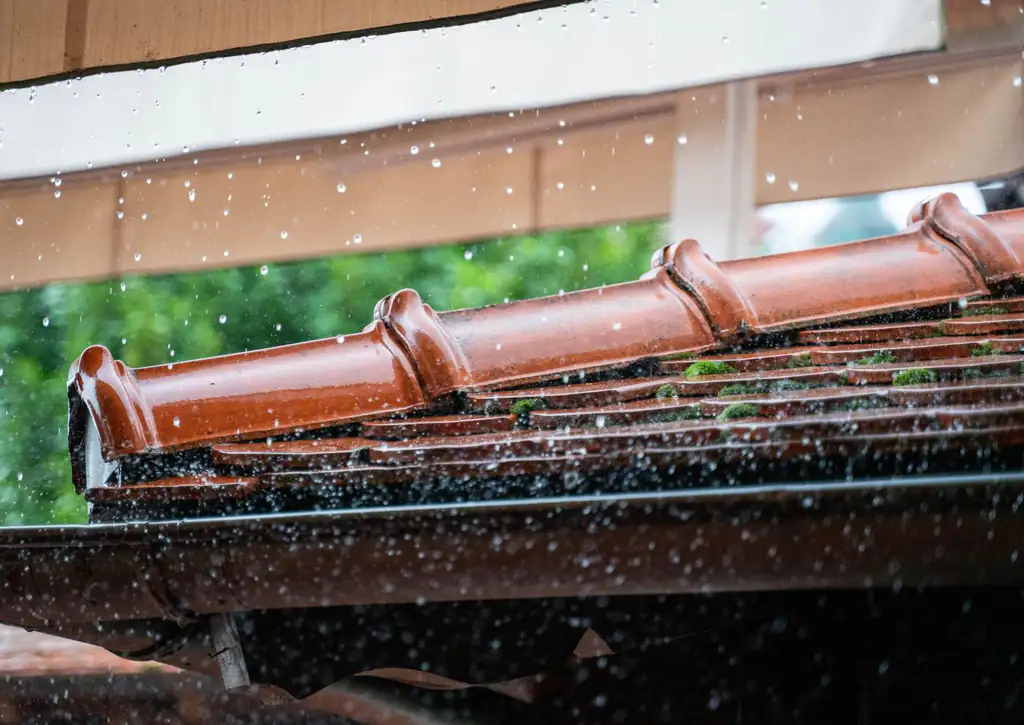
The strongest financial case for gutters is everything they prevent. Roof water that is not channelled away lands at the base of the walls, saturates the soil against the foundation and finds its way inside. Over time that leads to the exact problems that erode a home’s value:
Each of these is expensive to repair and each one lowers what a buyer will pay. Seen this way, a functioning gutter system is cheap insurance for far costlier assets. A few hundred dollars of gutter repair prevents the kind of foundation or basement work that runs into the thousands and scares buyers off entirely. To understand how that protection actually works, see how gutters work.
The effect compounds over time. Water damage rarely announces itself; it accumulates season after season until a stain, a soft patch of fascia or a damp basement wall makes it visible. By then the repair bill reflects years of neglect rather than a single event. Gutters that keep water moving away from the house short-circuit that slow accumulation, which is the real, if invisible, way they protect a home’s worth.
For resale, the state of your gutters matters more than the mere fact that you have them. A buyer walking up to a house reads its gutters as a proxy for how well the whole property has been maintained.
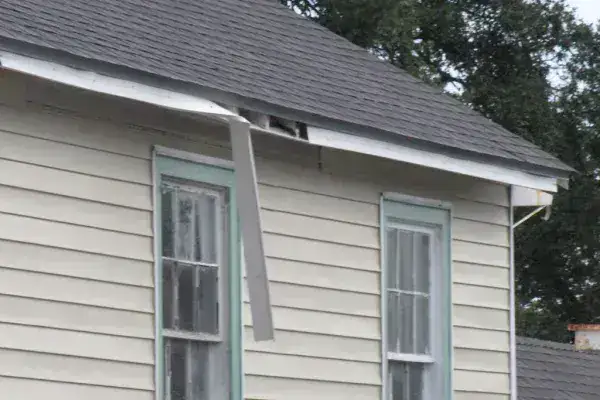
Gutters are a maintenance signal. Straight, clean, well-attached runs suggest a cared-for home; sagging, streaked or overflowing ones suggest deferred upkeep — and prompt buyers to wonder what else was neglected.
Sagging gutters, peeling paint, rust streaks down the siding or water pooling near the foundation all send the same message: this house may have water problems. Even when the underlying structure is fine, that impression weakens offers. Fixing a sagging run before listing is a small job with an outsized effect on perception; our guide on how to fix sagging gutters covers the common causes.
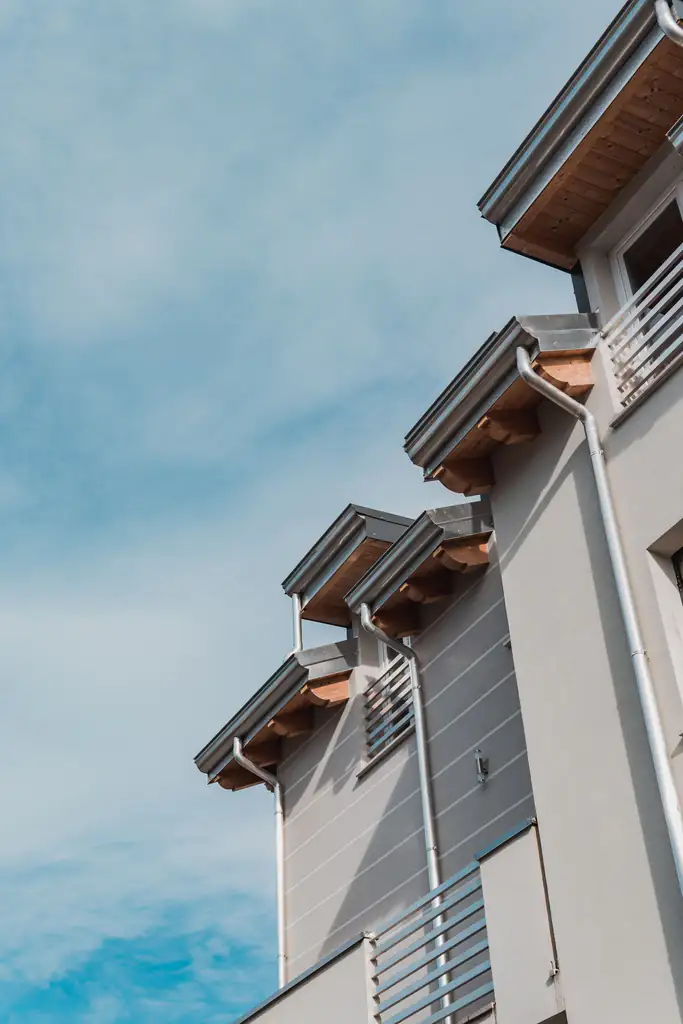
Curb appeal is where gutters come closest to adding measurable value, because first impressions shape what buyers are willing to offer. Gutters are visible along every roofline, so their condition and color are part of the exterior whether you think about them or not.
Clean, straight gutters in a color that suits the trim make a house look finished and deliberate. Mismatched, dented or streaked gutters do the opposite, drawing the eye to neglect. This is not about spending on premium materials — it is about the runs looking intentional. If you are weighing color choices for that reason, choosing gutter colors and style walks through matching them to the roof and trim.
You do not need to replace working gutters to sell a home. But replacement earns its keep in a few situations:
| Situation | Is replacement worth it? |
|---|---|
| Gutters leak, sag or are pulling from the fascia | Usually yes — removes an inspection red flag |
| Visible rust, holes or mismatched patched sections | Often yes — curb appeal and buyer confidence |
| Gutters are missing entirely | Yes — buyers and inspectors expect them |
| Gutters are sound but a dated color | Rarely — cleaning or repainting may be enough |
| Gutters are clean and functioning | No — spend the money elsewhere |
The goal before a sale is to remove doubt, not to over-improve. Gutters that clearly work and look tidy keep that part of the inspection report clean and let buyers focus on the features that actually move a price. If you are replacing them anyway, what to look for in new gutters covers the choices that matter.
So, do gutters add home value? Not directly, and you should be wary of anyone promising a tidy return on installing them. What they do is protect the value already in the house and shape the impression a buyer forms at the curb. Neglected gutters can cost you real money through water damage and weakened offers; sound, clean, well-fitted ones quietly hold the line. In practice that protective, perception-driven value is worth far more than any figure an appraisal would ever assign to the gutters themselves.
FAQ
Not usually as a separate line item. Appraisers look at the whole property, and gutters are treated as an expected component rather than an upgrade. Their real effect is indirect — they prevent the water damage that would lower value.
Yes. Damaged, sagging or missing gutters signal deferred maintenance and hint at possible water damage to the foundation, siding or basement. That impression can make buyers cautious and weaken an offer.
Often, if the existing ones are failing. Clean, straight, functioning gutters remove a red flag during inspection and improve curb appeal, both of which help a sale even when they do not appear as a dollar figure on paper.
They can be a selling point because they suggest lower maintenance, but they are a modest feature, not a major value driver. Buyers respond more to gutters that clearly work than to the specific add-ons attached to them.
Only through curb appeal. A color that suits the trim and roof makes the exterior look considered and cared for, which shapes a buyer's first impression even though it never appears in an appraisal.
They help by removing a common finding. Inspectors flag gutters that leak, sag or discharge against the foundation, and those notes can trigger repair requests. Sound gutters keep that section of the report clean.
More than most people expect. Buyers rarely admire gutters, but they notice when water is staining siding or pooling near the foundation. Those signs read as trouble and can cost you at the negotiating table.
Keep reading
How gutter color and profile shape curb appeal — matching trim, roof, or contrasting, and the color limits of each material.
How to clean gutters step by step — clearing debris, flushing the run, clearing downspouts and inspecting as you go — with safety front and center.
Gutters usually warn you before they fail outright. Learn the seven signs — from overflow and sagging to foundation staining — and what each one is telling you.