How to Fix Sagging Gutters
Why gutters sag, how to diagnose the real cause, and how to fix it with better hangers, fascia repair, and restored slope instead of a quick lift.
Gutters
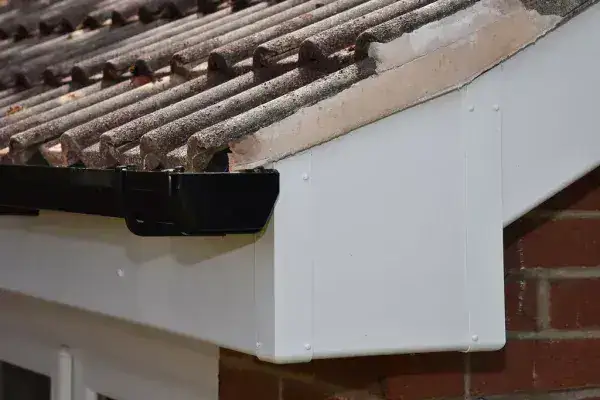
Fascia is the board your gutters hang from and soffit is the underside of the eave; when water gets behind the gutter, both rot and the gutter loses its grip. Repair means removing the damaged wood, fixing the water source, and rehanging into sound material.
Fascia is the board running along your roof edge that the gutters bolt to, and soffit is the panel tucked underneath the eave. When water finds its way behind the gutter, it soaks these boards, they rot, and eventually the fascia gets too soft to hold the gutter’s fasteners — so the gutter starts pulling away. Repairing it is a three-part job: cut out the ruined wood, fix whatever let the water in, and rehang the gutter into solid material. Skip the middle step and you will be back on the ladder before long.
These two parts are easy to mix up because they meet at the same corner of the roof.
If you want the full anatomy of the roof edge, drip edge, fascia, and soffit explained breaks down how these pieces fit together.
Wood rot needs one thing: moisture that sticks around. On the eave, that moisture almost always arrives because water is getting behind or over the gutter instead of running through it.
The usual paths are a missing or misaligned drip edge that lets water curl back onto the fascia, gutters pitched or hung so water overflows the back, or clogs that make the trough spill against the boards. Poor soffit ventilation can make it worse by trapping damp air. However it starts, the fascia and soffit stay wet, decay sets in, and the wood softens.
That first path — water sneaking behind the trough — is common enough to have its own diagnosis in water runs behind the gutter.
Soft, spongy fascia is also why gutters start to sag. Fasteners lose their bite in rotten wood. If your gutter is pulling loose, check the board behind it before assuming the hanger simply failed — see [how to fix sagging gutters](/gutters/how-to-fix-sagging-gutters/).
Real repair follows a clear order, and the order matters.
| Step | What happens | Why it matters |
|---|---|---|
| 1. Take the gutter down | Remove the section over the damage | Fascia sits behind it; you cannot reach the wood otherwise |
| 2. Remove rotten wood | Cut back to sound, dry material | Rot spreads; leaving any behind restarts the problem |
| 3. Find and fix the source | Repair drip edge, slope, or clog | New wood rots too if water still reaches it |
| 4. Replace the boards | Install sound fascia and soffit | Restores a solid surface and a grip for hangers |
| 5. Rehang the gutter | Refasten into good wood, re-pitch | Returns the system to working order |
The step homeowners most often skip is number three. Replacing the wood feels like the fix, but if the leak or overflow is still there, the fresh board is just the next thing to rot.
Some fascia and soffit damage is beyond a weekend fix. If the rot spans several boards, the wood crumbles well past the surface, or the rafter ends and roof framing behind the fascia feel soft, you are into structural territory. That is a professional’s job, both for the carpentry and because the underlying leak may involve the roof itself.
Keep the scope straight, too. Fascia and soffit rot is a roof-edge problem. It is separate from foundation drainage and from below-grade waterproofing, even though the same overflowing gutter can cause trouble at the top of the house and the bottom. Fixing the eave does not fix a wet basement, and vice versa.
This is height work, and it takes both hands. Removing a gutter, cutting out wood, and holding a new board up at the eave is far harder than a quick inspection. Use stable footing — scaffolding rather than a ladder where you can — keep three points of contact, and hand off tall, steep, or extensive jobs to a professional.
Fascia and soffit repair is really about breaking a cycle: water reaches the wood, the wood rots, the gutter loosens, and more water gets behind it. To fix it for good, remove the damaged material, deal with the source of the water first, and only then rehang the gutter into sound, dry wood. Do those three in order and the repair holds. Skip the source and you are just resetting the clock.
FAQ
Fascia is the vertical board running along the roof edge that your gutters attach to. Soffit is the horizontal panel underneath the eave, closing off the space between the wall and the roof edge. Fascia faces out; soffit faces down.
They rot when water reaches them and lingers. The usual culprit is water getting behind the gutter or overflowing onto the boards, so the wood stays damp long enough for decay to set in. Poor ventilation can also trap moisture.
Usually not for real repair. The fascia sits behind the gutter, so meaningful work means taking the gutter down, replacing the rotten wood, and rehanging into sound material. Patching over rot from the front rarely lasts.
If the damage spans several boards, the wood crumbles well beyond the surface, or the roof framing behind it feels soft, that is beyond a basic repair. Structural or widespread rot is a job for a professional.
Yes, and it is the most important part. If you replace the wood but leave the leak or overflow that caused the rot, the new board will rot too. Fix why water reached the fascia before you rehang the gutter.
Common causes include a missing or misaligned drip edge, gutters pitched or hung wrong, and overflow from clogs. Water then runs down behind the trough onto the fascia instead of into it.
Not directly. Fascia and soffit rot is an eave and roof-edge issue. It is separate from foundation drainage or waterproofing, though the same overflowing gutter can contribute to problems at both the top and bottom of the house.
Keep reading
Why gutters sag, how to diagnose the real cause, and how to fix it with better hangers, fascia repair, and restored slope instead of a quick lift.
How gutter color and profile shape curb appeal — matching trim, roof, or contrasting, and the color limits of each material.
How splash guards and valley diverters stop concentrated valley runoff from shooting over the front of the gutter.