Fascia and Soffit Repair Basics
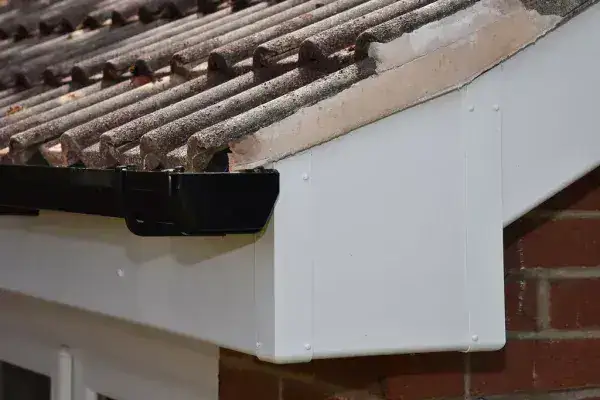
How fascia and soffit rot when water gets behind the gutter, and how repair fixes the source, the wood, and the gutter grip.
Gutters
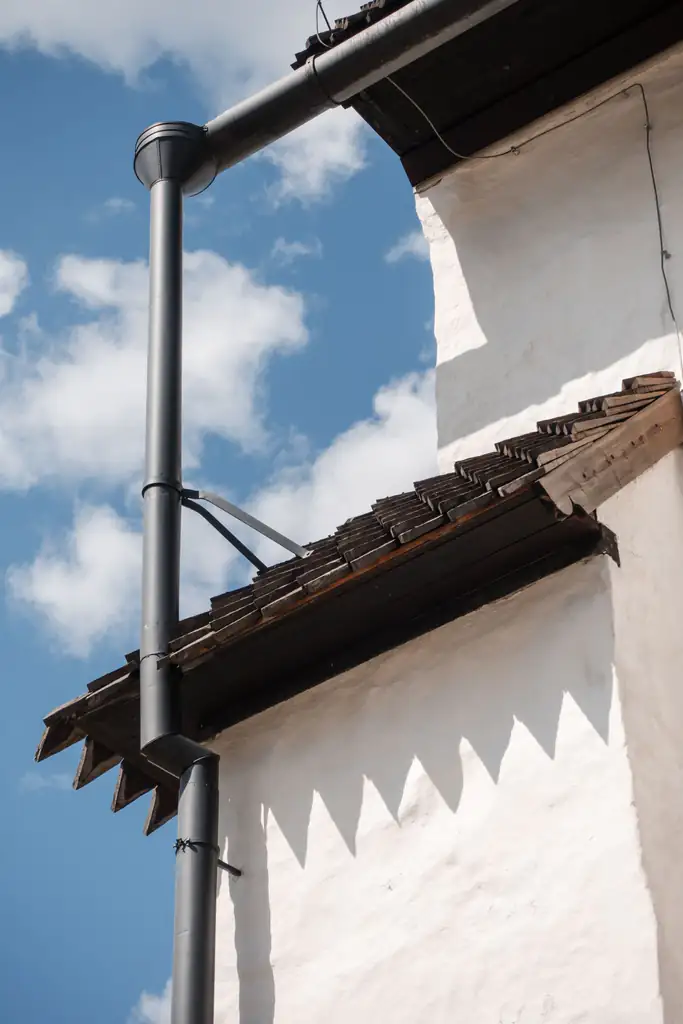
Gutters sag when hangers fail, the fascia behind them softens and rots, or debris and ice weigh them down. Fixing it means finding the real cause — adding or upgrading hangers, repairing fascia, and restoring slope — not just lifting the trough back up.
A sagging gutter is a symptom, not a diagnosis. The trough dips because something behind it or beneath it gave way — hangers that let go, fascia wood that softened, or a season’s worth of wet debris and ice pressing down. The durable fix is to find which of those is happening and address it, rather than simply lifting the gutter back into place and hoping it stays.
Three causes account for most sagging, and they often overlap.
Hangers are the brackets that hold the gutter to the house. If they were spaced too far apart to begin with, the trough droops between them under the weight of water. Older spike-and-ferrule systems can also work loose over time as the spikes back out. Even good hidden hangers eventually loosen if the material they anchor into fails.
Most gutters fasten to the fascia, the flat board running along the roof edge. When that board stays wet — from overflow, ice dams, or a leaking gutter above it — the wood softens and rots. Screws and spikes lose their grip in punky wood, and no amount of re-tightening will hold. Fascia condition is the quiet factor behind a surprising number of “the gutter just fell” calls.
A gutter packed with wet leaves is far heavier than one running clear. Add ice in winter and the load multiplies. That weight bends sections, pulls hangers loose, and flattens the slope the gutter needs to drain. Staying on a sensible cleaning schedule — see how often to clean gutters — keeps this load in check.
How quickly gutters sag depends heavily on climate, tree cover, and the age of the fascia. A shaded home under oaks in a snowy region stresses its gutters far more than a bare roofline in a dry, mild one. Adjust expectations to your own conditions rather than a fixed timeline.
Before you touch a tool, figure out which problem you are dealing with.
| What you see | Likely cause | Where to focus |
|---|---|---|
| Trough dips between two brackets | Hanger spacing too wide | Add hangers |
| Whole section pulled away from the house | Loose or failed hangers, or soft fascia | Check the fascia first |
| Screws spin without biting | Rotted fascia | Repair the board |
| Sag appears after storms or winter | Debris or ice weight | Clean and clear |
| Standing water with a low spot | Lost slope from sagging | Re-pitch after repair |
Press on the fascia behind a drooping section. If it feels spongy or the screwdriver sinks in, the wood is compromised and has to be dealt with before anything else. A gutter that has dropped and now holds standing water may also have lost its slope — gutter pitch and slope explained covers restoring that fall once the structure is sound.
Every step here happens on a ladder along the roof edge. Work at height risks falls; if you lack safe access, hire a professional.
Once you know the cause, the repairs follow logically.
A sagging gutter is your house pointing at a weak spot — a bad bracket, a soft board, a chronic clog. Treat the spot it is pointing to, not just the droop you can see, and the fix will hold. If the fascia is widely rotted or the roofline is out of comfortable reach, that is the moment to bring in a professional rather than improvise on a ladder.
FAQ
Usually one of three things: hangers that are too far apart or have pulled loose, fascia wood that has softened behind the gutter, or accumulated weight from wet debris and ice. Often more than one is at play at once.
You can, but if you screw into rotted fascia or reuse failed spacing, it will sag again. Lifting the trough treats the symptom. Lasting repairs address why it dropped in the first place.
Spacing varies with hanger type and climate, but closer is generally sturdier, and snowy regions call for tighter spacing than mild ones. If a run is sagging between supports, adding hangers is often the fix.
Fascia is the board along the roof edge that most gutters attach to. When it absorbs water and rots, fasteners lose their grip and the gutter droops. Sound fascia is the foundation any gutter repair depends on.
Yes. Ice and packed wet debris add substantial weight, and repeated freeze-thaw can bend a section or lever hangers loose over a winter. Keeping gutters clear reduces this load.
If the fascia is widely rotted, the roofline is high, or long spans are involved, a pro is the safer choice. Extensive rot can also signal water intrusion that deserves a closer look than a ladder allows.
Keep reading
How fascia and soffit rot when water gets behind the gutter, and how repair fixes the source, the wood, and the gutter grip.
The hanger types that hold gutters up, how spacing and climate change the math, why fascia matters most, and the mistakes that lead to sagging.
How gutter color and profile shape curb appeal — matching trim, roof, or contrasting, and the color limits of each material.