Why Is My Yard Flooding?
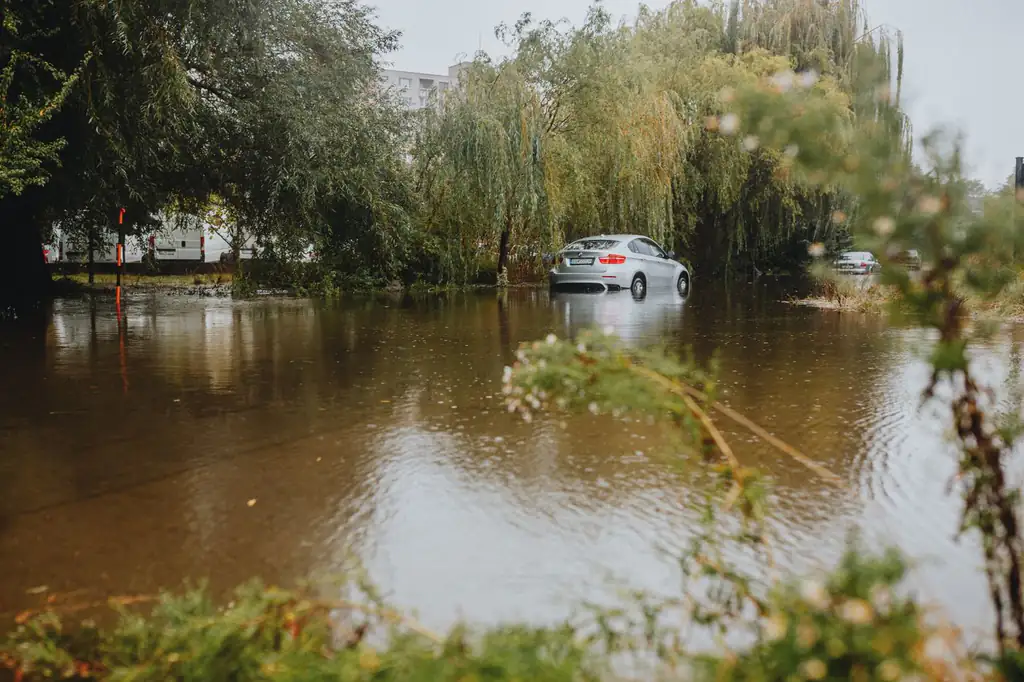
A yard floods when water arrives faster than the ground can absorb or shed it — from slow soil, runoff, or downspouts. Diagnose the cause before choosing a drainage fix.
Problem–Solution Hub
A patch that stays wet long after the rest of the yard dries is a low spot, compacted or clay soil, a downspout feeding it, or a high water table surfacing. It is the same diagnosis as standing water — find the cause before you pick a drain.
You know the spot. Days after the last rain, when the rest of the lawn is dry enough to mow, one patch is still soft, soggy, and refusing to give it up. A wet spot that will not dry is telling you that water is either being delivered to that spot or held there while the surrounding ground sheds it normally. The short answer is that the cause is one of a familiar few: a low spot, compacted or clay soil, a downspout feeding the area, or a high water table surfacing there. This is the same diagnosis as standing water — and the same rule applies: find the cause before you pick a drain.
The temptation is to reach straight for a solution — dig a trench, drop in a drain, run some pipe. But drainage fixes are cause-specific. A drain that is ideal for one problem does little or nothing for another, and installing the wrong one is a lot of digging for no result. Worse, if the real cause is a downspout emptying into the lawn, no drain is the right answer at all.
So most of the work here is diagnosis. And because a persistent wet spot and visible standing water are the same underlying issue, the approach in fixing standing water in the yard applies directly, and the two are worth reading together. The fact that your problem is a single localized patch rather than the whole yard is itself a helpful clue.
Water flows downhill and collects at the lowest point. A shallow depression — often too subtle to catch by eye — gathers water from the surrounding area and holds it, staying soggy long after higher ground has dried. A localized wet patch very often lines up with a low spot.
Some ground simply holds water. Heavy clay packs tightly and lets water through slowly; compacted soil, from foot traffic or equipment, does much the same. Where the soil under one patch is denser than its surroundings, that patch drains slower and stays wet longer even when it is not the lowest ground.
A downspout concentrates an entire roof’s worth of rain into one stream. If it discharges into or near the patch, it delivers far more water there than rain alone ever would. A wet spot close to a downspout outlet is frequently just overwhelmed ground, and this is both the easiest cause to check and often the easiest to fix.
The water table is the depth below which the ground is saturated. Where it sits close to the surface at one spot, the ground is wet from below and surface water has nowhere to soak away to. The tell is wetness that persists even in dry weather, and holes that seep water on their own. A high water table changes which fixes will work, so it is important to recognize.
| Symptom | Likely cause | How to confirm |
|---|---|---|
| One patch holds water; higher ground dries | A low spot collecting runoff | Watch during rain to see water gather there |
| Soil under the spot is dense and sticky | Clay or compacted soil draining slowly | Run a percolation test — water lingers in the hole |
| Wet patch sits near a downspout outlet | Downspout dumping roof water into the lawn | Check where the downspout discharges during rain |
| Spot is soggy even in dry weather; holes seep | High water table surfacing | Dig a hole and see if water rises into it on its own |
| Wetness follows the same line every storm | Concentrated runoff following a path | Watch the flow route while it is raining |
| Wet ground right against the house | Water collecting near the foundation | Trace it to grading or a downspout; treat as a priority |
Three diagnostic moves do most of the work:
Run a percolation test. Dig a hole, fill it with water, let it drain, then fill it again and watch how fast the level drops. Slow drainage points to heavy or compacted soil; fast drainage points you elsewhere — a low spot, a high water table, or too much water arriving. It cleanly separates a soil problem from a water-delivery problem.
Watch the spot during rain. Nothing beats seeing it happen. Go out in a storm and watch whether water runs to the patch and collects, or whether the patch simply fails to drain what falls on it. Low spots and flow paths reveal themselves in a way they never do on dry ground.
Trace your downspouts. Follow each one to where it actually discharges. If a downspout empties into or near the wet spot, you may have found your answer without needing any drainage system at all. Where the discharge should end up, and why it matters, ties into the broader picture of a yard that stays soggy after rain.
A percolation test and a walk in the rain are rough, homeowner-grade diagnostics, not precise measurements. They are enough to tell soil from low spot from downspout, which is what you need to choose a direction. But if the picture stays murky — especially if you suspect a high water table or the wet area is large — a professional assessment is worth it before committing to a drainage project.
Once you know the cause, the fix follows:
The short version: a wet spot that will not dry is a drainage problem in miniature, and it is the same problem as standing water. Test the soil, watch the patch in the rain, and trace your downspouts. Once you know whether you are dealing with a low spot, slow soil, a downspout, or a high water table, the right fix is clear — and often simpler than you feared. If the spot is persistent, large, near the foundation, or points to a high water table, that is the moment to bring in a professional rather than guess.
FAQ
Because something is either delivering extra water to that spot or keeping it from draining while the rest of the yard sheds water normally. The usual causes are a low spot where water collects and sits, compacted or clay soil that holds water and drains slowly, a downspout channeling roof water into the area, or a high water table surfacing there. Often more than one is at play. The fact that it is a single localized patch, rather than the whole yard, is itself a clue that helps narrow down which cause you are dealing with.
Essentially yes. A wet spot that will not dry and a puddle that stands after rain are two views of the same drainage issue — water arriving faster than the ground moves it away, and something holding it there. The diagnosis is identical, run through the same short list of causes. Because of that, the approach for standing water applies directly to a stubborn wet patch, and the two are worth reading together rather than treating the wet spot as a separate problem.
Three moves do most of the work. Run a simple percolation test — dig a hole, fill it with water, and watch how fast it drains — to tell whether slow soil is the issue. Watch the spot during rain to see whether water is running to it and collecting, which points to a low spot or a flow path. And trace your downspouts to see whether one discharges into or near the patch. If the ground is wet even in dry weather and holes seep on their own, suspect a high water table.
Very easily. A downspout concentrates a whole roof's worth of rain into one place, and if it discharges into or near a patch of lawn it delivers far more water there than rain alone would. A wet spot sitting close to a downspout outlet is often simply overwhelmed ground. This is both the easiest cause to check and frequently the easiest to fix — redirecting or extending the discharge to somewhere that drains can clear up the wet spot with no drainage system at all.
It points toward a high water table — the level below which the ground is saturated — sitting close to the surface at that spot. When that is the case, the ground stays wet from below and there is nowhere for surface water to soak away to, so the patch stays soggy regardless of recent rain. Holes that seep water on their own are another sign. A high water table changes which fixes will actually work and often calls for a professional, so recognizing it early saves wasted effort.
Only if the drain matches the cause. A catch basin collects surface water pooling at a low spot; a French drain intercepts and moves water through the ground. Install the wrong one, or any drain at all when the real issue is a downspout dumping into the lawn, and you will have done a lot of digging for little result. That is why diagnosis comes first. Once you know whether you are dealing with a low spot, slow soil, a downspout, or a high water table, the right response — which may not be a drain at all — becomes clear.
Consider a pro when the wet spot is persistent despite your efforts, when it is large, when you suspect a high water table, or when it sits near the foundation where saturated soil becomes a moisture concern for the house. Those situations call for solutions and sometimes equipment beyond simple redirection. A small, downspout-fed wet spot you can often handle yourself, but a patch that stays wet in dry weather or resists the basic fixes is worth an expert assessment before you commit to a drainage project.
Keep reading
A yard floods when water arrives faster than the ground can absorb or shed it — from slow soil, runoff, or downspouts. Diagnose the cause before choosing a drainage fix.
A yard that stays soggy after rain points to slow soil, a low spot, a high water table, or downspouts. Diagnose the cause before choosing a drain.
A sump pump keeps running when it faces more water than usual or cannot shut off — from a high water table, backflow, a stuck switch, or a discharge fault. Find out which before it burns out.