How to Drain Water Away From Your House
Roof water, ground slope, and a real outlet decide whether water stays away from your house. A practical order for tackling water near the foundation.
Drainage

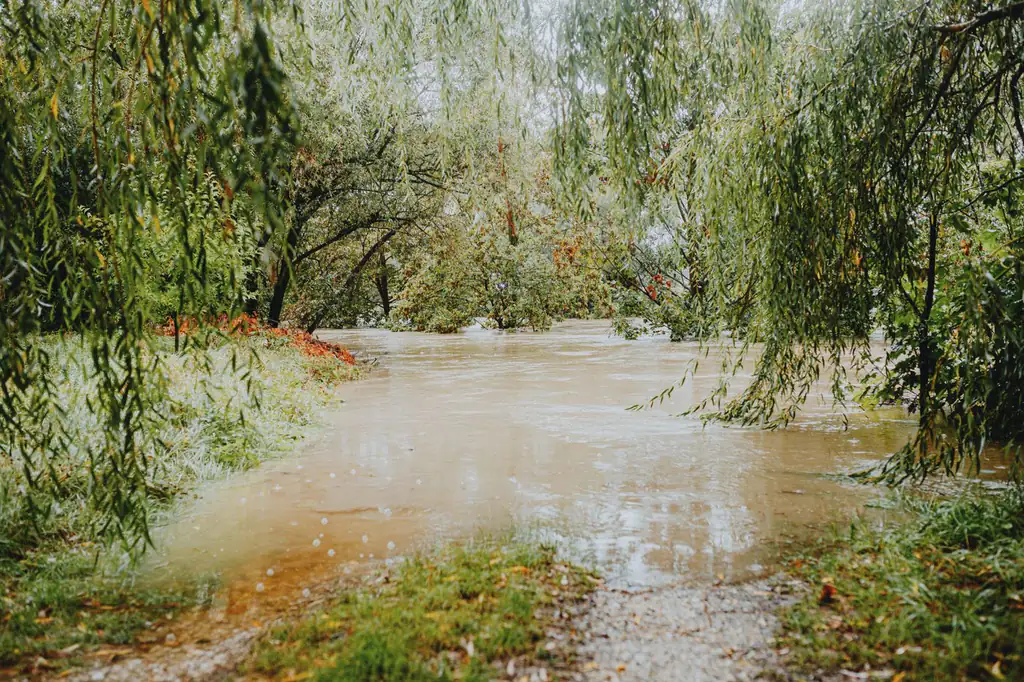
Standing water in a yard usually comes from low spots, poor grading, compacted or clay soil, or downspouts discharging nearby. The right fix depends on the cause — regrading, a swale, a French drain, a dry well, a catch basin, or amending soil — not one universal solution.
Standing water in a yard almost always traces back to one of a few causes: a low spot, ground that slopes the wrong way, compacted or clay soil that drains slowly, or a downspout dumping water nearby. The fix that actually works depends on which of those is happening — regrading, a swale, a French drain, a dry well, a catch basin, or amending the soil. There is no single universal solution, so the first job is diagnosis, not digging.
It’s tempting to reach for the most-recommended fix you’ve read about and start trenching. Resist that. The same puddle can have very different causes, and the wrong solution wastes a weekend and often makes nothing better.
The best diagnostic tool is a steady rain. Put on a raincoat and watch where water travels across your yard, where it speeds up, and where it stalls and collects. That single observation tells you more than any guide.
Here are the usual suspects:
Slopes, trench depths, and drainage capacity all depend on your soil, water table, climate, and local code. Treat any number you read online as a starting point to verify locally, not a rule.
If you suspect the soil rather than the grade, do a simple percolation test. Dig a hole roughly a foot deep, fill it with water and let it drain completely, then fill it a second time and note how long the second fill takes to empty. Water that clears in a reasonable time points to a grading or downspout issue. Water that lingers for many hours or overnight points to compacted soil, clay, or a high water table — and those change which fixes make sense.
Once you know the cause, the right fix usually follows. Keep two distinctions clear as you choose. First, surface water problems and subsurface water problems are different, and so are their solutions. Second, drainage (moving water away) and waterproofing (keeping water out of a structure) are separate topics — this guide is about drainage.
| Cause | What you’re seeing | Fix to consider |
|---|---|---|
| Low spot / minor dip | A puddle that fills and slowly drains | Regrade and topdress with soil to reshape the surface |
| Grade slopes toward the house or a bowl | Water runs the wrong way | Regrade; add a swale to channel it to an outlet |
| Concentrated flow across the yard | A wet path after rain | A swale (shallow shaped channel) to guide water |
| Compacted or clay soil | Water sits on top of flat ground | Aerate, amend with organic matter; consider a rain garden |
| Subsurface / seeping water | Soggy ground, water below the surface | French drain to intercept and carry it off |
| Roof water pooling in one place | Puddle right at a downspout | Extend the downspout; add a dry well at the end |
| Runoff from a driveway or patio | Water sheeting off hardscape | Channel drain along the edge, piped to an outlet |
| Water collecting at a fixed point | A persistent basin | Catch basin with a drain line to a safe outlet |
| Slow-draining area you can plant | A chronically damp corner | Rain garden of water-tolerant plants |
A few notes on the options:
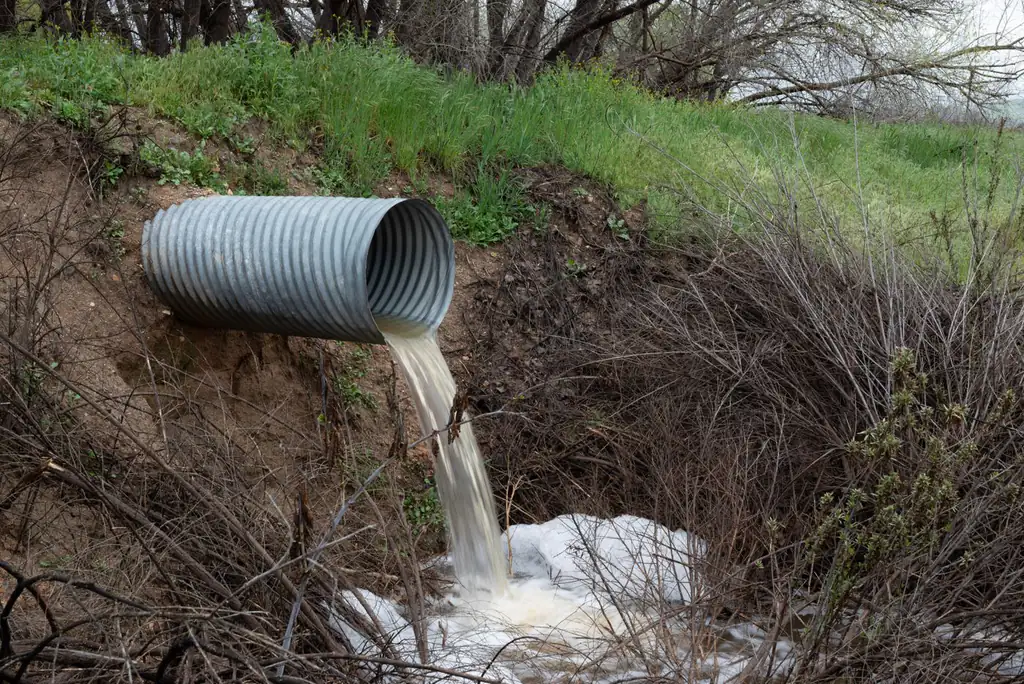
This is the single idea that ties all of the above together: water has to have somewhere to go. A French drain, a swale, a catch basin, or a downspout extension only works if the water it collects ends up somewhere it can safely disperse or soak in — a lower area of your property, a rain garden, a dry well in draining soil, or a permitted discharge point.
Piping water to the middle of your yard and stopping there just relocates the puddle. Draining it to the property line can push the problem onto a neighbor — and discharging onto adjacent property or into a public storm system may be regulated in your area. Before you commit to a route, confirm what your local rules allow rather than assuming.
Be honest with yourself if the diagnosis points to heavy clay or a high seasonal water table. These are genuinely difficult, and no drain performs miracles when the ground is already saturated or barely permeable.
In clay, dry wells and infiltration-based fixes may barely work because the surrounding soil won’t accept water. With a high water table, the ground can refill faster than a drain empties it. In both cases the practical answer is often to move water off the site entirely to a permitted outlet, which is where professional design and local approvals come in.
Handle the straightforward cases yourself — a low spot to regrade, a downspout to extend, a simple swale. Call a professional when water threatens the foundation, when you’re dealing with clay or a high water table, when there’s no obvious outlet on your property, or when the fix involves excavation, piping, or tying into a storm system. A pro can also tell you what your local code permits before anyone starts digging, which saves you from building a solution you then have to tear out.
The through-line is the same from start to finish: diagnose the cause, match the fix to it, and make sure the water has a real, permitted place to go.
FAQ
A repeat puddle almost always marks a low point where the ground slopes inward, or an area of compacted or clay-heavy soil that drains slowly. Water follows gravity and collects wherever the surface dips or the soil can't absorb it fast enough. Watch the yard during a steady rain to see where water travels and where it stalls — that tells you whether you're dealing with a grading problem, a soil problem, or both.
Only if the problem is water moving through the soil or collecting below the surface. A French drain is a gravel-filled trench with a perforated pipe that intercepts subsurface water. If your issue is surface water sitting on top of a low spot, a French drain often underperforms — regrading, a swale, or a catch basin usually does more. Diagnose the cause before you dig.
Try a simple percolation check. Dig a hole about a foot deep, fill it with water, let it drain, then fill it again and time how long the second fill takes to empty. Water that lingers for many hours or overnight points to compacted or clay soil, or a high water table. Soil that drains quickly suggests the issue is grading or a concentrated water source like a downspout instead.
No — that's one of the most common mistakes. Piping or grading water to the edge of your lot usually just moves the puddle, and discharging onto a neighbor's property or into a public storm system may be regulated. Every drainage solution needs a real outlet where water can safely disperse or soak in. Check your local rules before directing runoff off your property.
It can be, especially when water collects near the foundation. Persistent pooling against the house can work its way toward the basement or crawl space over time. Water sitting in the open lawn is more of a nuisance — killing grass, breeding mosquitoes — but if the pooling is close to the structure, treat it as a priority.
Far enough to carry roof water past the foundation zone and away from low spots, and to an outlet where it can disperse. The exact distance depends on your grade and soil. Downspouts dumping right at the base of the house are a frequent cause of yard puddles and foundation moisture.
Bring in a pro when water threatens the foundation, when you have clay soil or a high water table, when there's no obvious outlet on your property, or when a fix would involve piping, excavation, or tying into a storm system. These are the hard cases where an amateur solution can backfire. A pro can also confirm what your local code allows before you dig.
Keep reading
Roof water, ground slope, and a real outlet decide whether water stays away from your house. A practical order for tackling water near the foundation.
Grading shapes the ground so water runs away from the house to a safe outlet. How positive slope, swales, and a real outlet work together to keep a yard dry.
How grading and swales move surface water without pipes — positive slope, building a swale, and the outlet every one of them depends on. Uses and common mistakes.