Rainwater Harvesting Basics
A homeowner's introduction to rainwater harvesting, from rain barrels to cisterns, covering benefits, limits, overflow planning, and why local rules vary.
Rain Gardens & Stormwater
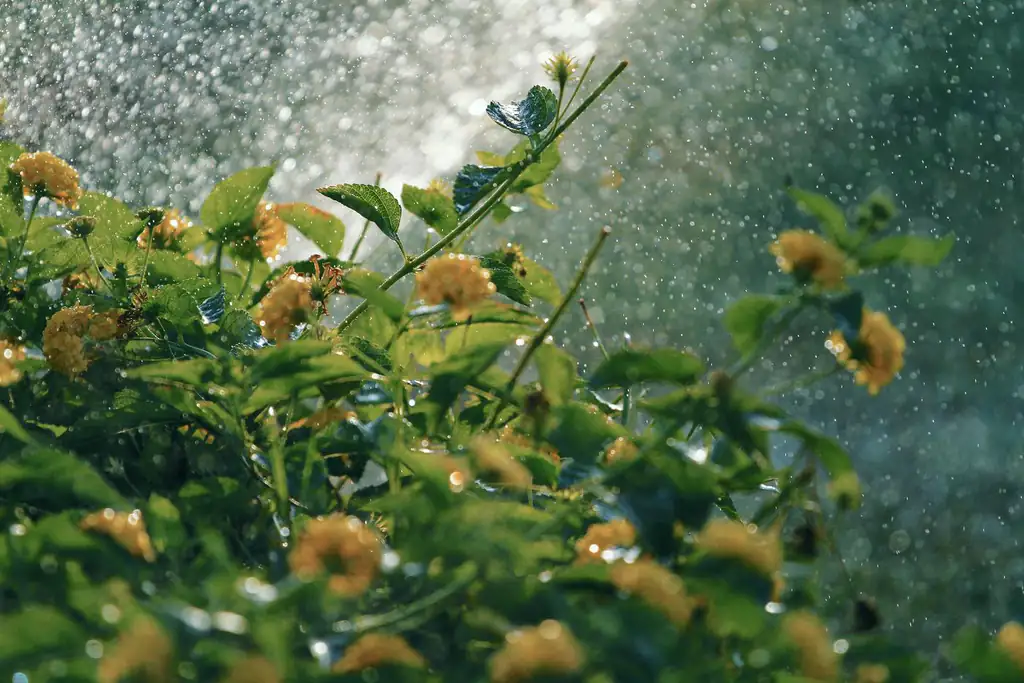
A rain barrel captures roof water from a downspout for later use on the garden. It eases a little runoff and saves some tap water, but a barrel fills fast in a real storm, so it needs an overflow routed away from the foundation — it's a supplement, not a drainage system.
A rain barrel captures roof water from one of your downspouts and stores it so you can use it later, mostly for watering the garden. It trims a little stormwater runoff and saves some tap water, which are real if modest benefits. But a barrel fills up fast in an actual storm, so it needs an overflow that carries the excess away from your foundation. Think of a rain barrel as a helpful supplement — not a drainage system, and not a fix for standing water or a wet basement.
If drainage is your real concern, the more important question is usually how far your downspouts should extend to carry water away from the house in the first place.
The setup is simple. You divert a downspout into the top of a barrel, usually through a screened inlet or a diverter fitting. Roof runoff flows in and collects. A spigot near the bottom lets you draw water out, often into a watering can or a hose for gravity-fed drip. An overflow outlet near the top handles water once the barrel is full.
That’s the whole mechanism. There’s no pump or filtration in a basic barrel — it’s a storage container plumbed into your gutter system. The simplicity is part of the appeal, but it’s also why the barrel’s limits are what really matter.
Within its modest scope, a rain barrel earns its place.
It saves some tap water. Captured rain is free and works fine for watering ornamental beds, containers, and lawns, which can noticeably cut outdoor water use in dry stretches.
It eases a little runoff. Every gallon held in the barrel is a gallon that didn’t sheet off your roof and across the yard during the early part of a storm. On a small scale, that helps.
It puts rainwater to use. Plants often do well on rainwater, and having a reservoir right at the downspout makes casual watering convenient.
The limits are where most misunderstanding lives, so they’re worth being blunt about.
It fills fast. Even a modest roof sheds a surprising volume of water in a short, heavy rain — far more than a single barrel holds. The barrel tops out early in the storm, and everything after that flows straight to the overflow. So the fraction of a big storm a barrel actually captures is small.
The overflow has to go somewhere safe. Once full, the barrel passes incoming water out its overflow. If that outlet just dumps at the base of the barrel next to the house, you’ve recreated the exact problem a downspout extension is meant to solve. The overflow needs to be routed away from the foundation to a spot that drains safely, just like a normal downspout discharge.
The overflow is not an afterthought — it's most of the water. In a real storm, far more passes through the overflow than gets stored. Plan that path away from the foundation before you install the barrel, not after.
Mosquitoes. Standing water is a breeding site. Without a tight screen on the inlet and any openings, an open barrel becomes a mosquito nursery. Keeping it sealed and using the water regularly keeps it stagnant-free.
Winter. In freezing climates, water left in a barrel can freeze, expand, and crack it, and the plumbing can freeze too. Barrels are generally drained and disconnected before hard freezes, with the downspout returned to its normal winter path.
| Aspect | What to expect |
|---|---|
| Primary benefit | Free water for gardens; small runoff reduction |
| Fill speed | Fast — tops out early in a real storm |
| Overflow | Required; must route away from the foundation |
| Mosquito risk | Present if open; use tight screening |
| Winter care | Drain and disconnect before hard freezes in cold climates |
| Water use | Typically ornamental watering, not drinking or edibles — check local guidance |
| Role in drainage | Supplement only, not a drainage system |
Use a rain barrel for what it’s good at: a convenient, free source of water for the garden and a small reduction in early-storm runoff. Pair it with an overflow routed safely away from the house, keep it screened, and drain it before winter. If your actual goal is managing where roof water goes — keeping it off the foundation and out of low spots — the barrel is at most one piece of that, sitting alongside proper downspout routing and, where infiltration makes sense, a rain garden. Set expectations at “helpful supplement,” and a rain barrel is a worthwhile little addition rather than a disappointment.
FAQ
It captures roof runoff from a downspout and stores it so you can reuse it later, usually on a garden or lawn. It eases a small amount of stormwater and saves some tap water. It's a supplement to good drainage, not a replacement for it.
No. A single barrel holds a modest amount and fills fast in a real storm, after which everything else overflows. It can trim a little runoff but won't fix standing water or a wet basement. For those, you need actual drainage, with the barrel as an add-on at most.
Quicker than most people expect. Even a modest roof sheds a surprising volume in a short, heavy rain, so a typical barrel can top out early in a single storm. That's exactly why the overflow has to be planned — most of a big storm's water goes past the barrel.
Away from the foundation. Once the barrel is full, incoming water exits the overflow, and if that dumps next to the house it defeats the purpose and can cause the very problems you're trying to avoid. Route it to a spot that drains safely away, the same as you would a downspout.
They can if left open. Standing water is a mosquito breeding site, so a barrel needs a tight-fitting screen or lid on the inlet and any openings. Keeping it sealed and using the water regularly so it doesn't sit stagnant keeps the risk down.
In freezing climates, yes. Water left in a barrel can freeze, expand, and crack it, and the plumbing can freeze too. Barrels are usually drained and disconnected before hard freezes, with the downspout returned to its normal path for the winter.
It's generally used for watering ornamental plants and lawns rather than for drinking or edibles, since roof runoff can pick up debris and contaminants. Check local guidance — rules and recommendations on rainwater use vary by area.
Keep reading
A homeowner's introduction to rainwater harvesting, from rain barrels to cisterns, covering benefits, limits, overflow planning, and why local rules vary.
How big a rain garden should be, and what actually sets the size — drainage area, soil infiltration, and basin depth — plus a factors table and common sizing mistakes.
A numbered, step-by-step guide to building a rain garden, from calling for utility locates and running a perc test through digging, amending, planting in zones, and setting an overflow.