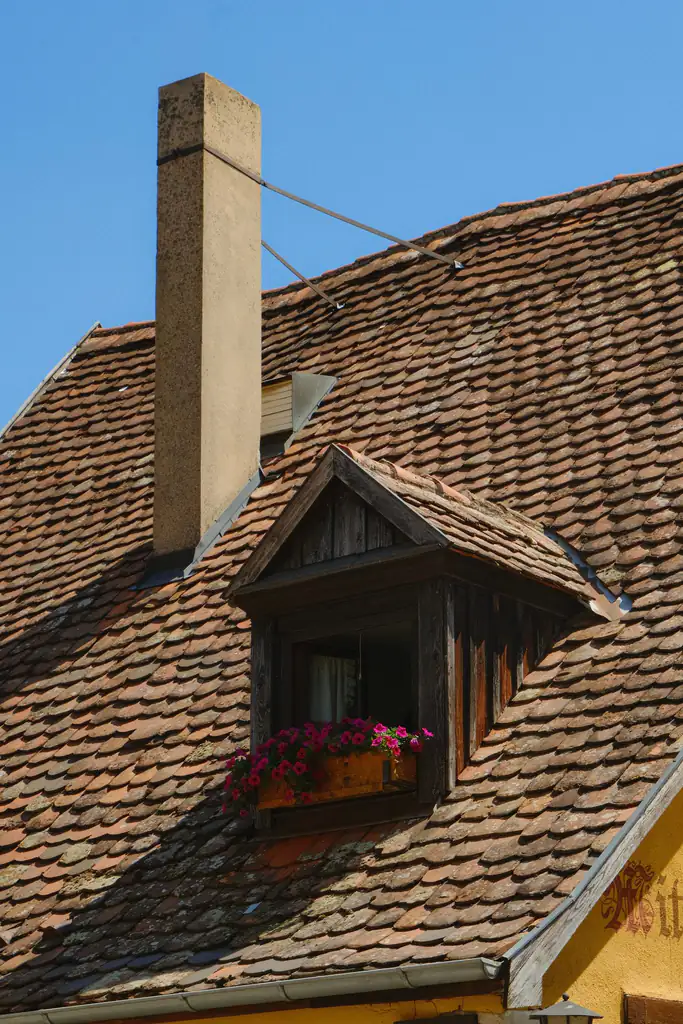
What Is Kickout Flashing?
Kickout flashing diverts roof runoff away from the wall and into the gutter where a roof meets a wall. Learn why missing it causes hidden rot and how to spot it.
Roof Runoff
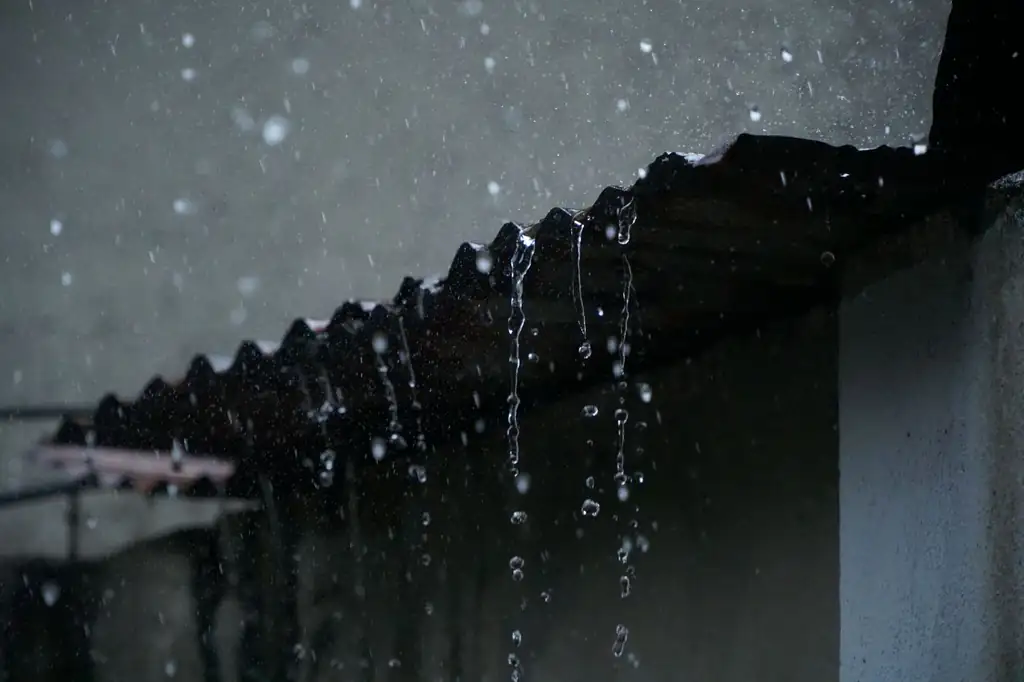
Dormers, valleys and spots where one roof meets another concentrate water and are common leak points. They need proper flashing and sometimes their own small gutter or diverter, because that is where the most runoff crosses the most seams.
Here is the short answer: dormers, valleys, and any place where one roof meets another are where runoff bunches up and where the roof has the most seams to defend, so they leak more than open roof does. The fix is almost always proper flashing, and sometimes a small gutter or diverter, aimed at getting concentrated water across those joints without letting it sneak in.
A wide, uninterrupted roof plane is easy for water to leave. Rain sheets down it evenly and drips off the eave. Nothing gets in the way, and there are no joints to fail.
Transitions break that simplicity. A valley collects runoff from two planes and channels it into one fast stream. A dormer interrupts the plane with walls, its own little roof, and a pair of small valleys where it meets the main slope. A spot where a lower roof meets an upper wall takes whatever the upper surface sheds and dumps it onto the lower one. In every case, two things happen together: water concentrates, and it has to cross a seam.
That combination is what makes transitions leak. The open roof rarely fails because there is little water pressure and nothing to breach. A transition sees the heaviest, fastest flow arriving exactly where the roof is most vulnerable. For the specifics of how valleys pile up volume and speed, the article on roof valleys and water concentration goes deeper.
Water that enters at a transition often travels along framing before it drips inside, so an interior stain can appear a foot or more from the real entry point. Tracing a transition leak by eye alone is unreliable, which is one reason diagnosis is best left to a pro.
Flashing is thin, shaped metal that bridges a joint and directs water back onto the roof surface instead of into the seam. At transitions, flashing is the whole ballgame. It seals where a dormer wall meets the roof, where a roof edge runs alongside a wall, and where planes change direction.
When flashing is installed correctly, integrated with the roofing material so water always sheds over it, a transition can handle heavy flow for decades. When flashing is missing, too short, corroded, or simply layered the wrong way, that same transition becomes an open door. Because flashing has to be woven into the roofing in the right sequence, it is not something to improvise.
One flashing detail deserves special mention because it is so often left out: the kickout. Where a roof edge meets a wall and ends, a kickout is the small piece that throws the last of the runoff out and away from the wall, into the gutter, instead of letting it dribble down behind the siding. Miss it, and you get a slow, hidden soaking of the wall below, a classic cause of rot that stays invisible until it is serious. The dedicated piece on kickout flashing explains exactly where it belongs and what happens without it.
Flashing keeps water out of seams, but sometimes the smarter move is to reduce how much water reaches a seam in the first place. That is where a small gutter or a diverter comes in.
Where an upper roof or a wall sheds runoff onto a lower roof, a short section of gutter can catch that stream and carry it off to the side, sparing the lower surface and its seams from a constant pounding. A diverter, a small raised strip of metal, can nudge a concentrated flow away from a vulnerable joint or a doorway below. Neither one replaces correct flashing; think of them as reducing the workload so the flashing has less to fight.
Some spots reward a closer look, especially after a heavy or wind-driven storm. The table below maps common transition points to what tends to go wrong there.
| Transition | Why it concentrates water | What tends to fail |
|---|---|---|
| Valley | Combines runoff from two planes | Worn valley metal, debris, overshoot at the eave |
| Dormer sides | Small valleys where dormer meets roof | Missing or short step flashing |
| Roof meets wall | Upper surface dumps onto a junction | Absent kickout, poorly sealed wall flashing |
| Lower roof under an upper roof | Upper roof sheds onto lower plane | Overwhelmed seams, no diverter or small gutter |
| Chimney or projection in a slope | Interrupts flow, forces water around | Failed flashing, no diverter above it |
If you notice interior stains, damp trim, or peeling paint below any of these, treat the transition above as the prime suspect rather than the open roof nearby.
Transition and flashing work happens at height and involves lifting roofing material. It has to be re-integrated correctly or it will trap water and make leaks worse. For most homeowners this is a job for a qualified roofing professional, not a ladder-and-caulk afternoon.
Dormers, valleys, and roof-to-roof transitions leak for a simple reason: they are where the most water crosses the most seams. The open field of a roof is easy; the joints are where everything is decided. Good flashing, correctly integrated and including the small details like a kickout, is what keeps those joints watertight, and a modest gutter or diverter can ease the load where an upper surface piles runoff onto a lower one. Because nearly all of this is height work that has to be done in the right sequence, it usually belongs to a roofing pro. What you can do as a homeowner is know where to look, spot the early signs, and get the right person on the roof before a small seam becomes a soaked ceiling.
FAQ
Because they combine two problems at once. Transitions are where runoff concentrates into fast, heavy streams, and they are also where the roof has seams, joints, and direction changes. The most water crossing the most vulnerable spots is a recipe for leaks when the details are not right.
Flashing is thin metal shaped to bridge a joint and keep water out. At a dormer, flashing seals where the dormer walls meet the main roof so runoff sheds over the joint instead of seeping into it. When flashing is missing, short, or corroded, that joint becomes a direct path for water.
Sometimes. Where a wall or upper roof dumps runoff onto a lower roof, a short gutter or a diverter can catch or redirect that stream before it overwhelms a seam. It is not a substitute for correct flashing, but it can reduce how much water the flashing has to handle.
Interior stains often appear below or near a dormer, a valley, or a spot where rooflines meet, and they tend to show up after heavy or wind-driven rain. Because water can travel along framing before it drips, the visible stain may sit a little away from the actual entry point.
Usually not. Flashing and roof-edge work sits at height, involves lifting and re-sealing roofing material, and has to be integrated correctly to shed water. Done wrong it can trap water and make things worse. For most homeowners this is a job for a qualified roofing pro.
A kickout is a piece of flashing that throws runoff away from a wall where a roof edge meets that wall, typically at the lower end of a roof-to-wall junction. Without it, water can run straight down behind the siding, which is a common hidden source of wall and trim rot.
No. A well-built, well-flashed dormer sheds water fine for decades. Dormers earn their bad reputation only when the flashing and drainage details are neglected, because a dormer adds several seams and a couple of small valleys to the roof.
Keep reading
Kickout flashing diverts roof runoff away from the wall and into the gutter where a roof meets a wall. Learn why missing it causes hidden rot and how to spot it.
Open vs closed roof valley, explained. How each handles heavy runoff, debris and durability, and why both still concentrate water on the gutter below.
Dormers and stacked roofs make runoff worse by dumping upper-roof water onto lower ones. Here is how multi-roof runoff concentrates and how to manage it.