Dormers, Valleys and Roof Transition Leaks
Dormers, valleys and roof-to-roof transitions concentrate runoff over seams, which is why they leak. Here is what to watch and how the fixes work.
Roof Runoff
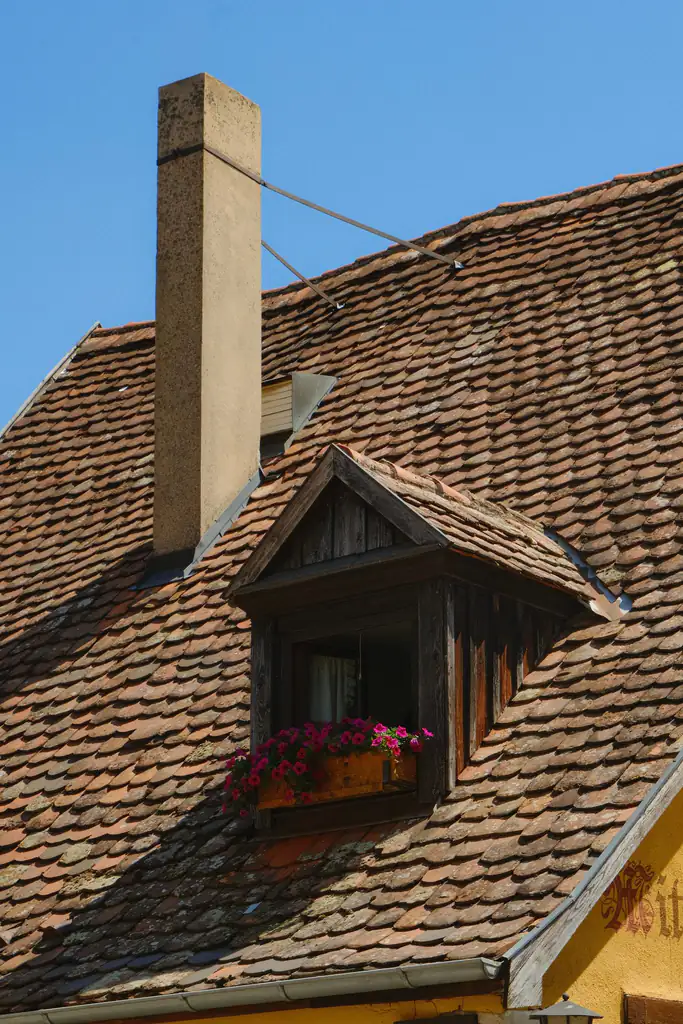
Kickout flashing sits where a roof edge meets a wall and kicks runoff away from the siding into the gutter. Missing kickout flashing is a classic hidden leak — water runs down inside the wall instead of into the trough.
Kickout flashing is a small piece of angled metal that sits where a roof edge meets a wall, and its job is simple: kick the runoff away from the siding and into the gutter. When it is missing, you get one of the most notorious hidden leaks in home construction, because water runs down inside the wall instead of into the trough, and nobody sees it until the damage is done.
To picture it, imagine a sloped roof that runs down and dead-ends into a vertical wall, the kind of junction you see on a dormer, a second-story wall meeting a lower roof, or a garage roof tying into the house. Along that junction, small pieces of step flashing weave between the shingles and the wall to keep water out.
At the very bottom of that line, right where the roof edge and the gutter begin, the water that has been traveling down the roof-wall corner needs somewhere to go. Kickout flashing is the piece that catches it there and diverts it outward, away from the wall, so it drops cleanly into the gutter. Without that last kick, all that concentrated water pours straight down against the wall. For the broader story of how water travels off a roof and where it concentrates, see how roof runoff works.
Kickout flashing works with the other roof-edge parts, not in isolation. It ties into the step flashing above it and sits just over the gutter below it. Understanding the whole eave assembly helps; the overview of drip edge, fascia and soffit explained covers the parts that hand water off to the gutter at the roof edge.
Here is what makes the missing-kickout problem so insidious. A roof-wall junction funnels water. All the rain that falls on that slope of roof gets channeled toward the corner where it meets the wall, and it arrives at the bottom of that line in a concentrated stream. If there is no kickout to redirect it, that stream hits the wall and finds its way behind the siding.
Once water is behind the siding, it soaks the sheathing and can reach the wall framing. Because the leak is inside the wall cavity, there is no dripping ceiling and no obvious puddle. The wood stays wet, and over months or years it rots. Homeowners often discover the problem only when the damage is extensive, sometimes when siding is removed for an unrelated project.
A stain on the siding below a roof-wall junction is worth taking seriously, but it does not by itself tell you how far the water has traveled. What shows on the surface can be a fraction of what is happening inside the wall. If you suspect missing kickout flashing, have the area inspected rather than guessing at the extent.
You can often spot the symptoms from the ground, even if the flashing itself is hard to see.
| Sign | Where to look | What it may mean |
|---|---|---|
| Staining or streaks on siding | Below a roof-to-wall junction | Runoff hitting the wall instead of the gutter |
| Peeling paint or swollen siding | The wall just under the roof edge | Repeated wetting of the wall surface |
| Musty smell or damp spot inside | Interior wall near that corner | Water reaching the wall cavity |
| Soft or discolored sheathing | Behind the siding, if exposed | Longer-term rot from a hidden leak |
| Erosion or splash marks below | Ground or lower roof at the corner | Concentrated water dumping in one spot |
The tell with kickout problems is that everything concentrates at one corner. A roof-wall junction gathers water and delivers it to a single point. If you notice staining, splashing, or erosion focused right where a roof meets a wall, missing or failed kickout flashing is a leading suspect.
Kickout flashing is small and cheap, but installing it correctly is not a casual afternoon job. It has to integrate with the step flashing, lap correctly with the siding, and terminate cleanly above the gutter, all at the roof edge and usually a story or more off the ground. A piece that is installed but poorly integrated can trap water and create a new leak path instead of solving the old one.
This is height and roofing work, best left to a professional. Kickout flashing ties into shingles, step flashing, and siding at a roof-to-wall junction. Retrofitting it means opening up roofing and siding at height and re-integrating them so the wall stays watertight. A roofer with fall protection should handle it.
Kickout flashing is a tiny part with an outsized job: it keeps concentrated roof runoff from pouring down inside your wall at a roof-to-wall junction. Missing it is a classic source of hidden rot, because the leak hides in the wall cavity for years. If you see staining, splashing, or dampness focused at a corner where a roof meets a wall, kickout flashing is worth investigating, and re-integrating it is a job for a roofing professional.
FAQ
Kickout flashing is a small angled piece of metal installed at the bottom of a roof-to-wall junction. It kicks water coming down the roof edge out and away from the wall so it lands in the gutter instead of running down behind the siding.
Without it, runoff concentrated at the end of a roof-wall junction pours against or behind the siding. Because the leak is hidden inside the wall, it can rot sheathing and framing for years before anyone notices.
It goes at the lowest point where a sloped roof meets a vertical wall, right above the gutter, at the transition where the step flashing ends. That is the spot where water leaving the roof would otherwise hit the wall.
Common signs include staining, peeling paint, or streaks on the siding below a roof-wall junction, damp or musty spots inside the wall, and in bad cases soft sheathing or interior wall damage near that corner.
Because it integrates with step flashing, siding, and the roof edge at height, adding kickout flashing correctly is usually roofer work. A poorly integrated piece can trap water and make things worse.
Many modern building codes call for flashing at roof-to-wall intersections, and kickout flashing is widely treated as standard good practice. Requirements vary by jurisdiction and by when the home was built.
It directs water into the gutter but is not physically part of it. The flashing ends just above the trough so the diverted water drops into the gutter rather than behind it or onto the wall.
Keep reading
Dormers, valleys and roof-to-roof transitions concentrate runoff over seams, which is why they leak. Here is what to watch and how the fixes work.
A drip edge is the metal flashing that guides roof runoff into the gutter and off the fascia. Learn what it does, where it goes, and whether you need one.
Chimneys, skylights and vents interrupt roof runoff and depend on flashing to send water around them. Here is why penetrations leak and what a cricket does.