Sump Pump Humming but Not Pumping: Causes and Fixes
Why a sump pump hums but pumps no water — jammed impeller, air lock, clogged intake, stuck check valve, or frozen discharge — with a safe check for each cause.
Sump Pumps & Interior Drainage
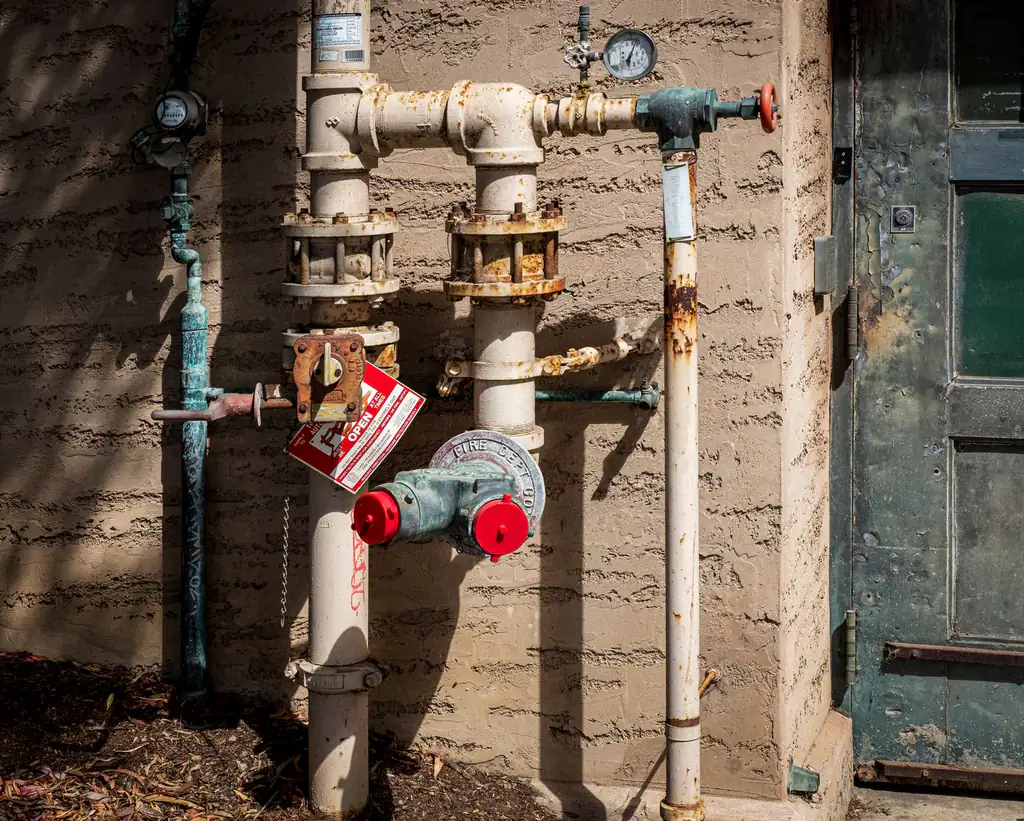
A sump pump that won't run, runs nonstop, or runs but moves no water usually has a short list of causes — lost power, a stuck float, a clogged intake or check valve, or a frozen or blocked discharge. Work through them in order before assuming the pump is dead.
A sump pump usually fails in one of three ways — it won’t run, it runs and won’t stop, or it runs but no water leaves the pit — and each points to a short list of causes: lost power, a stuck float, a clogged intake or check valve, or a frozen or blocked discharge. The good news is that most of these are things you can check yourself, in order, before concluding the pump is dead. Work the list methodically and you’ll often find the fix is a tripped outlet or a snagged float, not a new pump.
If you want to understand what each part is doing while you troubleshoot, keep how a sump pump works open alongside this.
Before any hands-in work, handle the electricity.
Unplug the pump before you reach into the pit. The pit holds water and the pump is electrical, so reaching in while it's plugged in is a shock hazard. For the power checks below you'll want it plugged in; for anything where your hands go into the pit — checking the float, clearing the intake — unplug it first. Leave breaker, GFCI, wiring, and hardwiring problems to a licensed electrician.
A silent pump is most often a power problem or a stuck float — not a failed motor.
Check power first. Confirm the pump is actually plugged in (cords get bumped loose), that the outlet has power, and that no breaker has tripped. Pay special attention to the GFCI: if the pump is on a GFCI outlet that has tripped, it gets no power while everything else looks normal. Reset it once. If it trips again immediately, stop resetting and get an electrician — repeated tripping is a warning, not a nuisance.
Then check the float. If power is fine, the next suspect is the float switch. It can wedge against the pit wall, snag on its own cord, or jam against silt and debris so it can’t rise. With the pump unplugged, confirm the float moves freely through its full range. A float that can’t lift never tells the pump to start.
A pump that never shuts off is either being told to run when it shouldn’t, or re-pumping the same water.
If you’d like context on why so much water is arriving at once, why a basement gets wet after rain covers where it’s coming from.
Here the motor is alive — you hear it hum or run — but the pit doesn’t empty. Water isn’t reaching the impeller, or it has nowhere to go.
A frozen discharge line will defeat a perfectly healthy pump. In cold weather, water standing in a flat or uphill run turns to ice and plugs the pipe; the pump then runs against a blockage and can burn out. Check the outdoor outlet for ice, snow, or debris, keep the run sloped so it drains, and clear the outlet after cold storms.
Because this one masquerades as several other failures, it’s worth calling out on its own. A frozen or clogged discharge makes a good pump look dead: the pit won’t empty, the motor may strain, and you’ll swear the pump has failed. Walk the line end to end — inside for kinks or crushed sections, outside for the buried, crushed, or iced-over outlet. Restoring the path out often restores the whole system with no pump repair at all.
| Symptom | Likely cause | Safe check (pump unplugged for hands-in steps) |
|---|---|---|
| Won’t run at all | No power / tripped GFCI or breaker | Confirm plug, outlet, breaker; reset GFCI once |
| Won’t run at all | Stuck float (can’t rise) | Free the float; confirm full range of motion |
| Runs constantly | Stuck float (held up) | Free the float; confirm it drops |
| Runs constantly | Failed check valve (short-cycling) | Look for backflow and rapid restart after shutoff |
| Runs constantly | Pit too small / high water table | Assess inflow vs. pit size; a drainage question |
| Runs, no water | Clogged intake | Unplug; clear the intake screen |
| Runs, no water | Stuck check valve or air lock | Check valve movement and any weep hole |
| Runs, no water | Frozen or blocked discharge | Walk the line; clear the outlet, check for ice |
Some of this is squarely a homeowner’s to handle: checking power, resetting a GFCI once, freeing a float, clearing the intake, walking the discharge. Bring in a professional when the checks come up empty and the pump still won’t perform, or when the trouble is electrical. Specifically, call a licensed electrician if a breaker or GFCI keeps tripping, if the pump needs hardwiring or a dedicated circuit, or if you smell burning or see scorching. Repeated tripping is a signal to stop resetting and get help. A licensed plumber is the right call for reworking a discharge that has to meet local code. Guessing at wiring next to standing water isn’t a savings — it’s a hazard.
Most sump pump failures aren’t the pump. Work power, float, intake, check valve, and discharge in order, keep the thing unplugged whenever your hands are in the pit, and you’ll usually find the culprit — and know when it’s time to hand it to a licensed pro.
FAQ
Start with power, then the float. Confirm the pump is plugged in, the outlet has power, and no breaker or GFCI has tripped. If power is fine, check whether the float is stuck against the pit wall or debris and can't rise. Those two account for a large share of dead-quiet pumps before anything is actually broken.
Common causes are a stuck float that stays raised, a check valve that lets pumped water drain back so the pump re-pumps it, a pit that's too small for the inflow, or a genuinely high water table. Check the float and the check valve first — a failed one-way valve causing rapid short-cycling is a frequent culprit.
If the motor hums or runs but the pit isn't emptying, suspect a clogged intake, an air-locked pump, a stuck check valve, or a frozen or blocked discharge line. Water has nowhere to go or nothing is reaching the impeller. Unplug the pump and check the intake and the discharge before assuming the motor has failed.
Basic checks are, if you unplug the pump before reaching into the pit. The pit holds water and the pump is electrical, so hands-in work while it's plugged in is a shock hazard. Power, float, and intake checks are reasonable homeowner steps; wiring, hardwiring, and dedicated-circuit work belong to a licensed electrician.
Yes, and it's easy to miss. If the pump is on a GFCI outlet that has tripped, the pump gets no power even though everything else looks fine. Check and reset it as part of your first pass. If it trips again right away, stop and have an electrician look at it rather than repeatedly resetting.
When power, float, intake, check valve, and discharge all check out and the pump still won't perform — or when the problem is electrical, like a breaker or GFCI that keeps tripping, or a pump that needs hardwiring. Repeated tripping and any wiring work are signs to bring in a licensed electrician rather than keep resetting.
Keep reading
Why a sump pump hums but pumps no water — jammed impeller, air lock, clogged intake, stuck check valve, or frozen discharge — with a safe check for each cause.
Why sump pump float switches fail — stuck floats, tangled tethers, crooked pumps, and worn switches — plus how to diagnose each and what to check first.
Why a sump pump discharge line freezes in winter, the damage a blockage causes, and how slope, drainage, and fittings lower the risk.