How to Dry Out a Flooded Basement
A step-by-step guide to drying out a flooded basement safely, in the right order, and knowing when to call for help.
Basement & Crawl Space
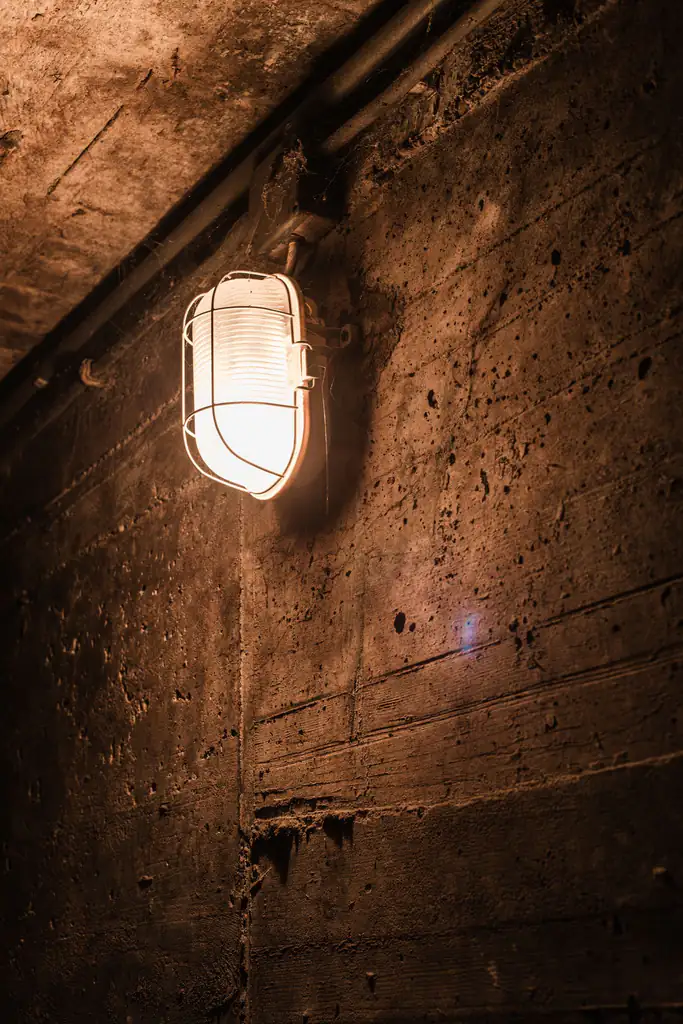
Where basement water appears tells you a lot — water at the wall-floor joint or up a wall points to outside water and hydrostatic pressure, while water rising through the floor suggests a high water table or an under-slab issue. The location guides the fix.
When water shows up in a basement, the first instinct is to grab a mop. The more useful move is to notice exactly where it appears, because the entry point is one of the best clues you have. Here is the short answer: water at the wall or the wall-floor joint points toward outside water pushing against the foundation, while water rising up through the floor points more toward a high water table or a problem under the slab. Reading the location tells you which direction to look before you spend a dollar on a fix.
Water follows the path of least resistance, so it enters wherever the foundation is weakest against the pressure it faces. That is why the spot where water shows up is meaningful rather than random. A stain, a trickle, or a damp patch is a piece of evidence, and the location, timing, and pattern together sketch the water path.
Before assuming the worst, rule out the simplest explanation. A wet wall is not always seepage from outside; it can be condensation, where humid indoor air meets a cool surface and leaves it damp. The two look similar and call for opposite fixes, so our guide on basement condensation vs water seepage is worth a read if you are not sure which you are dealing with. If the water tracks closely with storms, the pattern in why your basement gets wet after rain will feel familiar.
Water appearing on a wall, or seeping in along the seam where the wall meets the floor, usually points outside. That seam, sometimes called the cove joint, is a natural weak point in the structure, and it is often the first place water shows up when the soil around the foundation is saturated.
The mechanism behind this is hydrostatic pressure: as the ground around the foundation soaks up water, that water exerts pressure against the walls and slab, and it looks for any gap to push through. Our explainer on hydrostatic pressure walks through how that force builds and why it targets joints and cracks. When water enters this way, attention usually belongs on the outside first: grading that slopes away from the house, gutters and downspouts that carry roof water well clear of the foundation, and drainage where the soil stays wet.
Water tracking along the wall-floor joint after storms is a classic sign of outside water and pressure, not a slab defect. That points the first round of fixes to the exterior — grading and gutters — before anything inside.
Water that appears in the middle of the floor, or wells up through a floor crack, tells a different story. Rather than being pushed sideways against a wall, this water is coming from below. The usual suspects are a high water table lifting groundwater up under the slab, or a specific under-slab path such as a crack or an old, failed drain line.
This location is generally the harder one to address, because you cannot get at the source from inside without more involved work. It also raises the stakes on any cracks involved: a floor crack that passes water may need evaluation, since cracks that leak or grow are outside the scope of routine maintenance. When the water table is the driver, the realistic goal is often to manage the water that reaches the space rather than to stop groundwater from existing.
| Where water appears | Common implication | First thing to look at |
|---|---|---|
| Up a wall, mid-height | Outside water, possible condensation | Confirm seepage vs condensation; check grading and gutters |
| Wall-floor (cove) joint | Outside water and hydrostatic pressure | Grading, downspout discharge, exterior drainage |
| Through a floor crack | Under-slab water, possible high water table | Have the crack evaluated; consider interior drainage |
| Rising across the slab | High water table or under-slab path | Professional assessment of groundwater and slab |
Treat the table as a starting map, not a diagnosis. Real basements often show water in more than one place, and overlapping signs are common, which is exactly why matching location to likely cause is a first step rather than a conclusion.
Some of these situations move past homeowner maintenance quickly. Cracks that leak or widen, any sign of foundation movement, water rising broadly through the slab, sewage backups, and large or health-related mold all warrant a qualified professional. These touch structure, groundwater, and health, and they are worth an expert eye rather than a weekend guess. Keep any mold cleanup small and safety-first, and hand off anything larger.
The practical habit is simple: the next time you find water, note where it is, when it showed up, and whether it tracks with rain. That short observation does more to point you at the right fix than any single product on a shelf.
FAQ
It narrows it down. Water at a wall or the wall-floor joint usually points to outside water and pressure, while water rising through the floor points more toward the water table or an under-slab path. It guides diagnosis rather than proving one cause.
It is the seam where the basement wall meets the slab, called the cove joint. It is a natural weak point, so when outside water builds up against the foundation it often appears there first.
It can be. Water through a floor crack may signal a high water table or pressure under the slab, and the crack itself may need evaluation. Cracks that leak or widen are worth a professional look.
Not always. It can be outside water and pressure, but it can also be condensation on a cool wall. Telling seepage from condensation changes the fix, so it is worth confirming which one you have.
Often they help a lot, because they reduce how much water collects against the foundation. They are not a guaranteed cure, but managing surface water is usually the first and cheapest thing to address.
Cracks that leak, signs of movement, water rising through the slab, sewage backups, or large mold all point to a professional. These involve structure, groundwater, or health and are beyond routine maintenance.
That pattern usually points to surface water and pressure building against the foundation during storms. It is a strong hint that the water path starts outside rather than under the slab.
Keep reading
A step-by-step guide to drying out a flooded basement safely, in the right order, and knowing when to call for help.
How interior and exterior basement waterproofing differ, what each actually controls, and why many wet basements end up using both.
A pre-finishing checklist for basement water — how to test for dryness, address exterior drainage first, and add interior drainage or a vapor barrier if needed.