Dampness Under a Finished Basement Floor
How to recognize dampness trapped under a finished basement floor, why it usually traces back to slab moisture or seepage, and why prep comes first.
Basement & Crawl Space
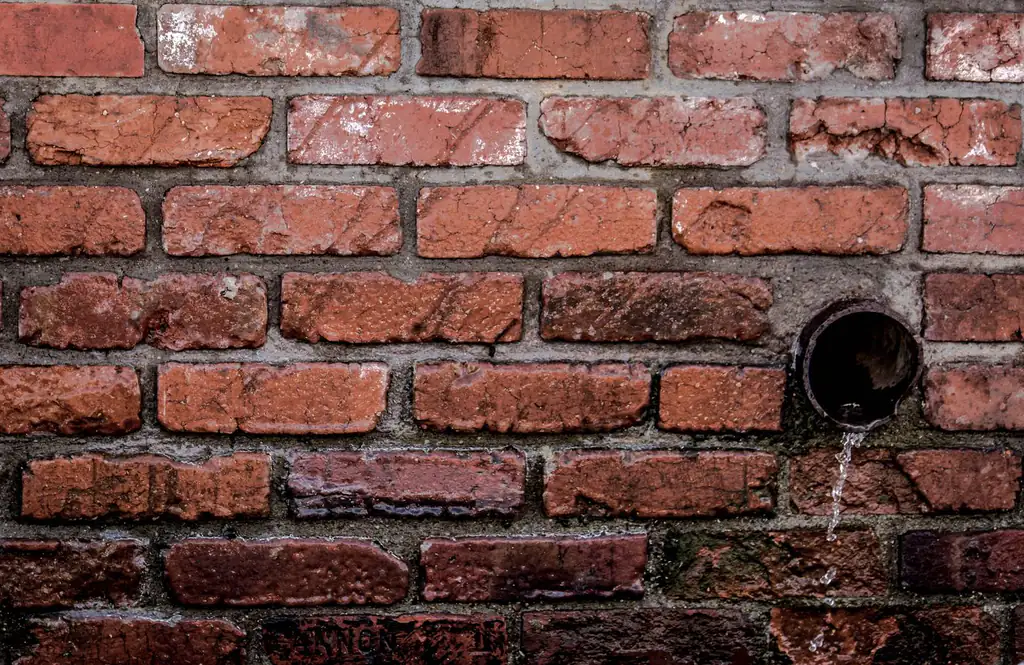
Even without a leak, a basement can stay damp from high humidity. A dehumidifier controls that symptom well, but it cannot fix water coming in from outside — so it's a companion to good drainage, not a substitute for it.
A basement can feel damp, smell musty, and grow mildew without a single drop of water leaking in. Sometimes the whole problem is humidity — moisture in the air, not water coming through the wall. A dehumidifier is the right tool for that, and it controls the symptom well. What it can’t do is stop water that’s actually entering from outside. So think of a dehumidifier as a companion to good drainage, not a substitute for it.
This guide is about telling a humidity problem from a water-entry problem, and about what a dehumidifier can and can’t do. Managing humidity and correcting the exterior water path are homeowner-friendly. Cracks that leak, movement, water through the floor, sewage, or large mold growth belong to a professional, and we’ll flag that below.
Basements are humidity traps by nature, and several things pile on at once.
Put those together and you get a basement that’s clammy and musty while being completely watertight. That’s a humidity problem, and it has a humidity fix.
"Damp" doesn't automatically mean "leaking." A basement can be dry in the sense that no water is entering and still feel wet because the air is full of moisture. Knowing which one you have decides whether a dehumidifier is the answer or a distraction.
A dehumidifier draws room air across a cold coil, condenses moisture out of it, collects that water, and returns drier air to the space. Lower the relative humidity and the basement feels less clammy, condensation eases, and the conditions mildew needs get less favorable. For a basement that’s damp from humidity, that’s exactly right.
The limit is just as important. A dehumidifier only works on moisture already in the air. It has no effect on water entering the basement — seepage after a storm, a downspout dumping at the wall, groundwater pressing in. Against an entering-water source, it’s running a race it can’t win: it pulls a bit of moisture from the air while the actual water keeps arriving.
Since the two need different fixes, sort them out before you buy anything. Use timing and appearance.
The taped-foil check helps: tape a square of aluminum foil tightly to the wall, seal all four edges, and wait a day or two. Moisture on the room-facing side points to condensation and humidity; moisture behind it points to water coming through. Our basement condensation vs water seepage guide covers this in full.
| Symptom | Points to | Right tool |
|---|---|---|
| Even clammy dampness, worse in humid weather | Humidity | Dehumidifier + ventilation |
| Condensation film on cool walls and pipes | Condensation | Dehumidifier, insulate cold surfaces |
| Damp streak or patch after storms | Water entering | Gutters, downspouts, grading |
| Moisture on room side of taped foil | Humidity | Dehumidifier |
| Moisture behind taped foil | Water entering | Exterior drainage |
| Dehumidifier runs constantly, dampness persists | Likely water entering | Correct the water path first |
A dehumidifier does its best work as one part of a system, not a lone fix.
Keep drainage and dehumidifying in separate mental boxes. Drainage keeps water from reaching the house; a dehumidifier dries the air inside. One doesn't do the other's job, and a basement with an entering-water problem needs the drainage fix regardless of how good the dehumidifier is.
Managing humidity and correcting gutters, downspouts, and grading are homeowner-friendly. Bring in a professional when water keeps entering after you’ve corrected the exterior path, when you find cracks that leak or a wall that appears to move, when water rises up through the floor slab, when there’s any sewage or sewer smell, or when there’s large or persistent mold. A dehumidifier that can’t keep up is often a clue that the real problem is water entering, which is a drainage-and-possibly-structural question rather than a humidity one.
A basement can be damp from humidity alone, no leak required, and a dehumidifier controls that symptom well. But it only works on moisture already in the air — it can’t stop water entering from outside. So diagnose first: if the basement is watertight but humid, a dehumidifier is the answer; if water is coming in, drainage comes first and the dehumidifier manages what’s left. Pair it with good circulation and ventilation, keep drainage and dehumidifying separate in your mind, and call a pro for cracks, movement, water through the floor, sewage, or spreading mold.
FAQ
Basements run humid for reasons that have nothing to do with a leak. They are below grade, so walls and floors stay cool, and warm household air that reaches them condenses on those cool surfaces. Ground moisture can migrate through below-grade materials as vapor, humid outside air enters through gaps, and everyday sources like laundry and showers add moisture. Poor air circulation lets it all settle. So a basement can feel damp and smell musty while being perfectly watertight.
A dehumidifier pulls air across a cold coil, condenses moisture out of it, collects the water, and returns drier air to the room. That lowers the relative humidity, which is exactly what a basement that is damp from humidity needs. What it does not do is stop water from entering — it works only on moisture already in the air. So it manages a humidity symptom well and does nothing about a source of water coming in from outside.
No. If water is entering from outside — seepage after storms, a downspout dumping at the wall, groundwater — a dehumidifier is running against a source it cannot reach. It may lower the room humidity a little, but the water keeps arriving and the dampness returns. The fix for entering water is the exterior water path: gutters, downspouts, and grading. A dehumidifier is a companion to that drainage work, not a replacement for it.
They solve different problems, so it depends on why the basement is damp. If the basement is watertight but humid, a dehumidifier is the right tool. If water is entering from outside, drainage comes first and the dehumidifier only manages whatever humidity remains afterward. The mistake is treating one as a substitute for the other. Diagnose whether you have a humidity problem, a water-entry problem, or both, then apply the matching fix.
Use timing and appearance. Humidity shows up as an even, clammy dampness and condensation on cool surfaces, worse in humid weather regardless of rain. Water entering shows up as damp streaks or patches tied to storms or snowmelt, often at a specific spot. A taped square of aluminum foil helps: moisture on the room side suggests condensation and humidity, moisture behind it suggests water coming through. Our condensation-versus-seepage guide covers this in detail.
Many people run one through the humid part of the year and less in cooler, drier months, but the right pattern depends on your basement and climate. The goal is to keep humidity in a reasonable range, not to run the unit for its own sake. Pair it with good air circulation and ventilation so it is not fighting stagnant, moisture-laden air. And if humidity stays high no matter how much it runs, that is a sign of an entering-water source it cannot fix.
Managing humidity and correcting gutters, downspouts, and grading are homeowner-friendly. Bring in a professional when water keeps entering after you have corrected the exterior path, when you find cracks that leak or a wall that appears to move, when water rises up through the floor, when there is any sewage, or when there is large or persistent mold. A dehumidifier that cannot keep up with the dampness is often a clue that the real problem is water entering, not humidity.
Keep reading
How to recognize dampness trapped under a finished basement floor, why it usually traces back to slab moisture or seepage, and why prep comes first.
A musty basement smell is a symptom of mold or mildew feeding on moisture. How to trace the source — seepage, condensation, or a damp crawl space — and what to leave to a pro.
Crawl-space moisture comes from the soil, outside air, and drainage water. The basics — vapor barrier, exterior drainage, humidity — plus vented vs encapsulated.