Mold in the Basement — What to Know
Why basement mold is really a moisture signal, general safety-first guidance on small versus large growth, and how fixing the source is the real cure.
Basement & Crawl Space
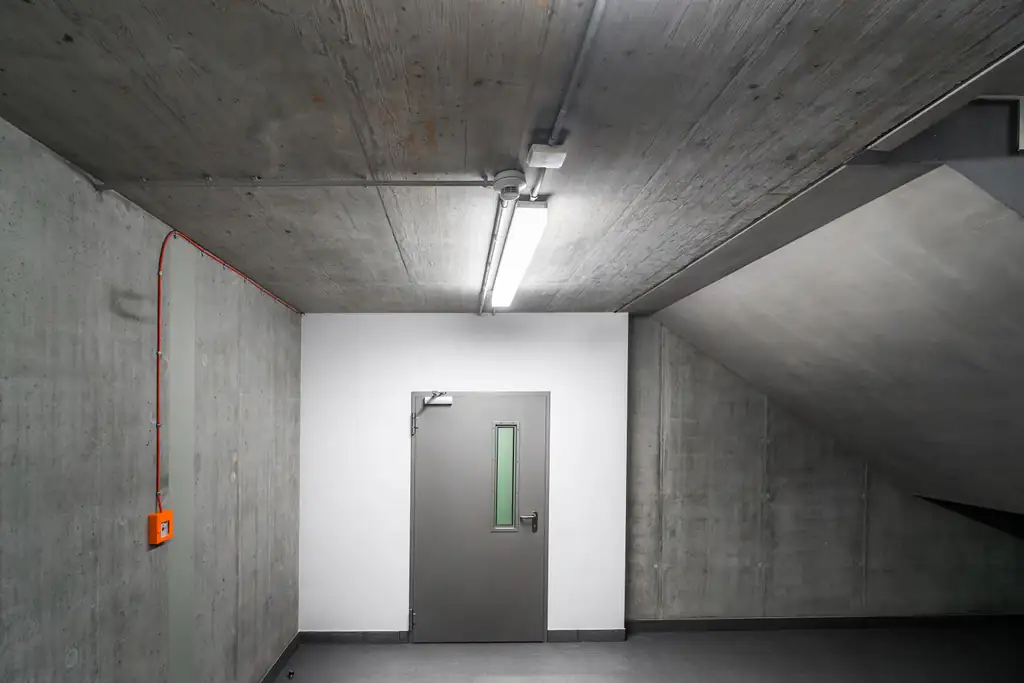
A damp basement is rarely an emergency on its own, but it is a genuine warning sign. Persistent moisture can feed mold, damage stored belongings and finishes, and hint at drainage or structural issues that get more expensive the longer they are ignored.
A damp basement is worth paying attention to, but it is rarely a crisis on its own. The honest answer is that a damp basement is more of a warning sign than an immediate danger: ongoing moisture can feed mold, ruin stored belongings and finishes, and hint at drainage or structural issues that only get more expensive the longer they sit. The real risk is not usually the dampness you notice this week — it is what that dampness leads to when it is left alone for months or years.
Homeowners often want a yes-or-no verdict on whether a damp basement is dangerous, but that framing misses how moisture actually causes trouble. Occasional, seasonal dampness is common in basements and, by itself, is usually a nuisance rather than a hazard. What changes the picture is persistence. Moisture that never fully dries creates the conditions for slower problems to build — and those problems are where the genuine risks live.
So a more useful question is: is this dampness a passing seasonal thing, or is it a steady condition my basement lives in? A basement that feels slightly humid on a muggy summer week is different from one that smells musty year-round, shows mold in the corners, or gets wet every time it rains. The first is normal variation. The second is a signal.
Think of dampness as a symptom, not a diagnosis. The danger is not the damp itself — it is the mold, the damage, and the underlying water problem it points to when it becomes permanent.
The reasons a chronically damp basement matters fall into a few groups. None of them make a damp basement an emergency, but together they explain why it should not be shrugged off.
Mold needs damp surfaces to grow, so a basement that stays moist is an open invitation. This matters beyond the basement itself, because air tends to move upward through a house — meaning musty air and spores from a damp basement can reach the living spaces above. Because health sensitivity varies from person to person, anyone noticing symptoms or with a specific health concern should treat this cautiously and lean on a professional rather than general advice. Our guide on mold in the basement covers why growth keeps returning until the moisture behind it is fixed, and the musty basement smell is often the first hint that damp, mold-friendly conditions are present.
Persistent moisture is hard on anything stored in a basement — cardboard, fabric, wood, paper, electronics — and on finishes like drywall, flooring, and trim. This is the quiet, cumulative cost: nothing dramatic happens in a single week, but over time damp basements degrade what is in them. It is also why finishing a basement before resolving moisture is usually a mistake, since new materials simply become the next thing the dampness works on.
Sometimes dampness is the visible edge of a larger issue with how water moves around the home. It can accompany poor grading, overwhelmed drainage, or, less often, cracks and movement in the wall itself. Dampness does not prove a foundation is failing — most of the time the cause is drainage or condensation, not structure — but because moisture can travel alongside those bigger problems, ongoing damp is a reason to look closer rather than assume everything is fine.
Because “damp” covers everything from a faint summer humidity to standing water, it helps to have a rough sense of where a given basement sits. The table below is orientation, not a diagnosis of your specific home.
| What you notice | How to read it |
|---|---|
| Slight humidity on hot, muggy weeks | Usually normal seasonal variation |
| Occasional damp that dries out fully | Worth watching, generally low concern |
| Musty smell that never clears | A signal to find the moisture source |
| Visible mold, especially returning after cleaning | Take seriously; trace the dampness |
| Wet after every rain or snowmelt | A drainage problem to diagnose |
| Standing water, or damp with cracks | Move toward professional assessment |
The pattern in that table is deliberate: the lower you go, the more the dampness has shifted from a nuisance to a warning sign. A basement that dries out on its own is in a very different place from one that is wet on a schedule. If yours reliably gets wet after storms, the cause is usually outside the wall, and our explainer on why a basement gets wet after rain walks through the drainage and grading side of that.
One distinction changes almost everything about how serious a damp basement is and how to respond: whether the moisture is condensation from humid air or water seeping in from outside. They can look similar on a cool wall, but they call for opposite fixes. Condensation is about managing humidity — ventilation and, where suitable, a dehumidifier, as covered in our guide on basement humidity and dehumidifiers. Infiltration is about keeping liquid water out through drainage and grading. Confusing the two wastes effort, and our comparison of condensation versus water seepage is built to tell them apart. Keep the two ideas separate in your head: drainage moves liquid water away, while humidity control manages moisture in the air.
The measured answer is that you should pay attention without panicking. A damp basement is not usually dangerous in the sense of demanding action today, but it is a legitimate warning sign that should not be permanently ignored. The risks it carries — mold and its effect on air, slow damage to belongings and finishes, and the chance that it reflects a drainage or structural issue — all get worse the longer the moisture stays. The cost of acting early is small; the cost of waiting until mold is widespread or a finished basement is damaged is not.
Practically, that means treating persistent dampness as a prompt to find its source rather than a condition to live with. A dehumidifier or better ventilation may be part of the answer if humidity is the driver, but neither stops water actually coming in. The durable path is the same one that applies to any wet basement: figure out where the moisture comes from and address that. Our guide on how to keep a basement dry pulls the pieces together. Handle the water, and the danger a damp basement represents largely goes with it.
FAQ
A little seasonal dampness is common and rarely an emergency by itself. The concern is persistence. Moisture that never fully dries can feed mold, damage belongings, and point to a drainage problem worth addressing before it grows.
It can. Air moves upward through a home, so damp, musty basement air and any mold spores it carries can travel into living spaces. This is one reason basement moisture is worth taking seriously rather than ignoring.
There is no single number that fits every home, but musty smells, visible mold, condensation that never clears, or damp that returns after every rain are signs the moisture is beyond normal seasonal variation and worth diagnosing.
Not necessarily. Most dampness comes from drainage, grading, or condensation rather than structural failure. But because moisture can accompany cracks or movement, ongoing dampness is a reason to look closer, not to assume the worst.
It depends on the person and the extent of any mold. Sensitivity varies, so anyone with symptoms or a health concern should treat it cautiously and consult a professional rather than rely on general guidance.
A dehumidifier helps manage humidity and keeps surfaces drier, which reduces mold-friendly conditions. But it does not stop water seeping in through a wall or floor. It is one tool, not a cure for an active leak.
Generally not until the moisture is resolved. Finishing over dampness traps it behind walls and floors, where mold can grow unseen. The dry basement comes first, then the finishing.
Keep reading
Why basement mold is really a moisture signal, general safety-first guidance on small versus large growth, and how fixing the source is the real cure.
A musty basement smell is a symptom of mold or mildew feeding on moisture. How to trace the source — seepage, condensation, or a damp crawl space — and what to leave to a pro.
How to recognize dampness trapped under a finished basement floor, why it usually traces back to slab moisture or seepage, and why prep comes first.