
Is It Worth Paying for Gutter Guards?
Are gutter guards worth the money? It depends on your trees, roof height and climate. Learn how to weigh guard cost against the cleaning it actually replaces.
Cost & Planning
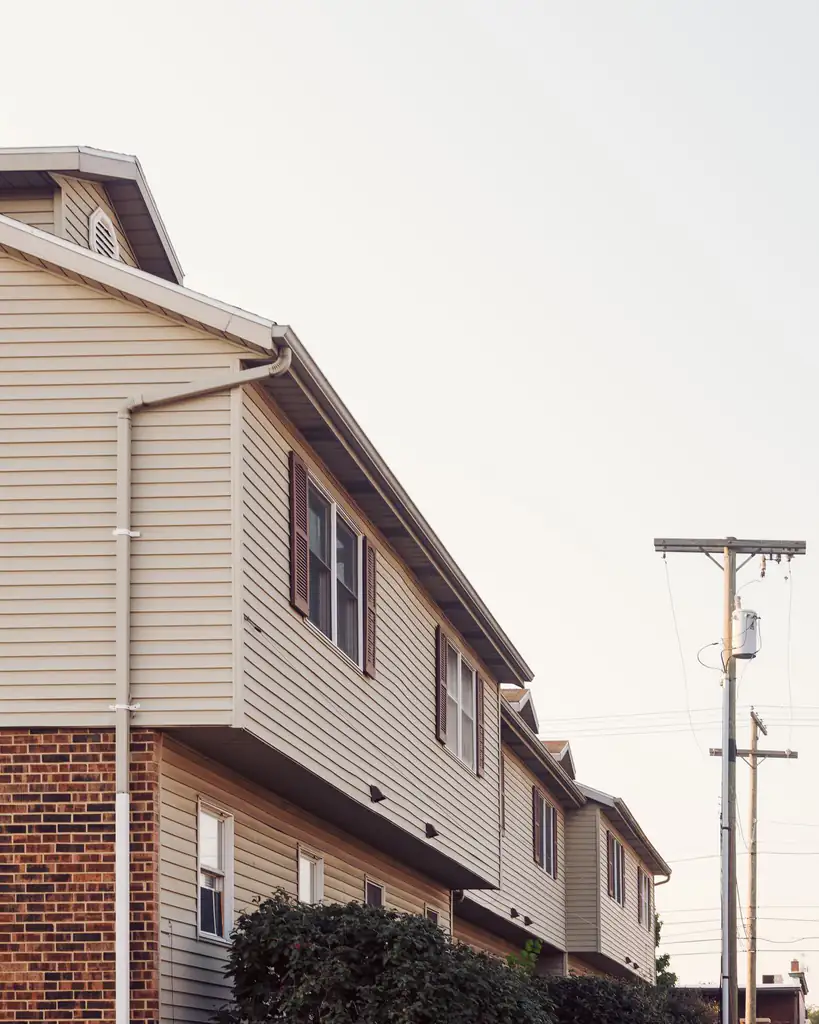
Gutter-guard cost depends on the guard type (foam and screens cheap, micro-mesh and reverse-curve more), the linear footage, roof height and complexity, and whether it's DIY or professionally installed. A cheaper guard that needs replacing sooner can cost more over time.
There is no single price for gutter guards, and any number you find online hides the fact that guard is a whole category of products, not one thing. What a guard project actually costs is driven by a handful of factors: the type of guard you choose, how much gutter it has to cover, how tall and complex your roof is, and whether you install it yourself or have it done. Learn those factors and you can judge a quote — and avoid the trap of buying cheap twice.
Search for gutter guard cost and the spread is enormous, because a foam insert and a professionally installed micro-mesh system are barely the same purchase. One is a strip you push into the gutter; the other is an engineered panel fitted by a crew with a warranty attached. Averaging them produces a range that describes neither.
A price you can trust comes from pinning down the type, the footage and the install method for your house. That is why this article walks through the factors rather than quoting dollars. Understanding how guards actually work first makes the cost differences make sense — see how gutter guards work.
We deliberately do not quote prices here. Gutter-guard cost varies too much by guard type, region, roof height and install method to put a responsible number on — the same roofline can differ severalfold between a DIY foam insert and a professionally installed mesh system. What stays consistent is the set of factors below.
Type is the largest single driver. Foam inserts and simple plastic or aluminum screens sit at the affordable end and are often DIY-friendly. Micro-mesh panels, which use a fine metal mesh to block even small debris, cost more per foot. Reverse-curve (surface-tension) systems, which guide water around a nose while debris falls away, sit at the premium end and are usually professionally installed. The gap between the cheapest and most expensive type dwarfs almost every other factor. Our micro-mesh vs screen comparison breaks down where each type fits.
However much a guard costs per foot, footage multiplies it across your whole roofline. More gutter means more panel, more clips or fasteners, and more install time. Footage is the quantity that turns a per-foot difference into a total, so it scales the entire project.
For professional installs, height is a real cost. Fitting guards on a three-story house means taller ladders, staging and slow work aloft, all of which add labor. For DIY the material cost is unchanged, but the fall risk rises sharply — reason enough to hire out a tall or steep roof even for a simple screen.
Valleys, dormers, multiple gable ends, inside corners and odd-length runs all mean more cutting, fitting and sealing of panels. A complex roofline needs more careful work per foot than a plain rectangle, and that time raises the labor on a professional job.
Whether you install the guard yourself or hire a crew often matters as much as the guard itself. Many screens are built to clip on with basic tools, keeping cost to the material. Micro-mesh and reverse-curve systems are frequently sold installed, with labor, height work and a warranty bundled into a single price. On those systems the install can be a bigger line than the material.
Guards go on top of working gutters. If the gutters are clogged, sagging or leaking, they usually need to be cleaned or repaired before guards are fitted, and that prep is its own cost. A quote that ignores gutter condition may be leaving prep work — or a future problem — out of the number.
The factor easiest to overlook is how long a guard lasts. A cheap product that degrades, clogs or blows out in a few years and has to be replaced can cost more over its life than a durable one installed once. Cost per year, not just sticker price, is the honest way to compare types.
| Factor | Why it changes the cost |
|---|---|
| Guard type | Foam and screens are cheap per foot; micro-mesh and reverse-curve cost far more. |
| Linear footage | Multiplies the per-foot cost across the whole roofline. |
| Roof height / stories | Taller houses add ladder work, staging and time to a professional install. |
| Roofline complexity | Valleys, corners and odd runs mean more cutting, fitting and sealing. |
| DIY vs pro install | Labor, height work and warranty on a pro install can exceed the material cost. |
| Gutter condition | Cleaning or repairing gutters before fitting guards is added prep. |
| Longevity / replacement | A short-lived guard replaced twice can cost more than a durable one bought once. |
The most common mistake with guards is judging them on the sticker price alone. A foam insert or thin screen can look like a bargain, but if it packs with grit, sags, or lifts in a storm within a few seasons, you pay again — for a second product and, if you hired out, a second install. Meanwhile the failing guard may have let debris through the whole time, so you got little benefit for the first spend.
That does not make cheap guards always wrong; in the right conditions a simple screen performs fine for years. It means the honest comparison is cost over the years you expect the guard to serve, including any cleaning it still needs and the odds of replacement, not the number on the box.
You cannot shop for gutter guards by chasing one number, because guard spans everything from a foam strip to an engineered installed system. What explains any honest quote is a set of factors — type, footage, height, complexity, install method, gutter condition and how long the guard lasts. Learn them, keep guards a separate line, and compare cost over the years you expect them to serve rather than the sticker alone. Do that and you will avoid paying for the cheapest option twice.
FAQ
Because guard is a category, not a single product. Foam inserts and simple plastic screens sit at the low end, aluminum screens in the middle, and fine micro-mesh and reverse-curve systems at the top. Add the differences in linear footage, roof height and whether you install it yourself or hire a pro, and two houses can land very far apart for what sounds like the same upgrade.
Usually the guard type combined with total linear footage. Type sets the unit cost — a fine micro-mesh panel costs far more per foot than a foam insert — and footage multiplies it across your whole roofline. Height, complexity and professional installation then adjust the figure up or down.
Sometimes, but not always. Foam and light plastic screens cost little up front and can work in the right conditions, yet some degrade, clog or blow out and need replacing within a few years. If you end up buying and installing twice, the cheap option can cost more over time than a durable one bought once.
It can be a large part of the total, especially on a tall or complex house. Many simple screens are designed for a homeowner to clip on, while micro-mesh and reverse-curve systems are often sold installed, with the labor, height work and warranty bundled in. The install is frequently a bigger line than the material itself.
No honest guard promises that. Good guards keep out leaves and large debris and cut cleaning frequency sharply, but fine grit, pollen and shingle grit can still accumulate, and mesh surfaces need an occasional brush-off. Treat guards as a way to reduce maintenance, not eliminate it, and be skeptical of any pitch that guarantees zero upkeep forever.
It is a sensible time to consider them because the system is already open and being worked on, which can save a separate mobilization. Just keep guards as their own line item so you can judge them on their merits rather than letting them blur the base gutter price.
Yes, when a pro is installing. The same panel costs more to fit on a three-story house than a single-story one because of the added ladder work, staging and time at height. For DIY the material cost is the same, but the safety risk climbs steeply, which is its own reason to think twice on a tall home.
Match the guard type and material first, then the linear footage covered, whether existing gutters need cleaning or repair before install, and whether the price is installed or material-only. Once the scope lines up, the difference reflects real workmanship and warranty rather than two different products.
Keep reading
Are gutter guards worth the money? It depends on your trees, roof height and climate. Learn how to weigh guard cost against the cleaning it actually replaces.
Gutter guards are a big upfront cost, cleaning a recurring one. Compare them over years using your trees, height and guard type instead of a single price.
Gutter repair cost depends on the fault, how much run is affected, roof height and hidden fascia damage. Learn the drivers and when repair beats replacement.