Gutter Guards and Roof Grit
How roof grit and shingle granules affect gutter guards — why fine grit blinds mesh and settles in troughs, and how to manage it as shingles age.
Gutter Guards

Gutter guards are covers or inserts that let water into the gutter while blocking leaves and debris, so you clean less often. But no guard makes a gutter truly maintenance-free, and each design — micro-mesh, screen, brush, foam, reverse-curve — has different weak points like pine needles, roof grit, snow and ice.
Gutter guards are covers or inserts fitted over or inside your gutters that let rainwater in while keeping leaves and larger debris out, so the trough clogs less and you clean it less often. What they do not do is make a gutter truly maintenance-free — every design still lets something through and has a weak spot.
If you are tired of scooping wet leaves twice a year, guards are a reasonable upgrade. Just go in with clear expectations. A guard changes how often and how much you clean, not whether you clean at all.
This guide covers the basic principle, the five main guard types and where each one struggles, the problems guards genuinely cannot solve, and a few notes on roofs and warranties. For the bigger picture of how the whole system moves roof runoff away from your house, see how gutters work.
Every gutter guard is trying to exploit one simple difference: water is small and flows, while most debris is large and sits. A guard puts a barrier over the gutter opening with holes or gaps sized so water passes through but leaves, twigs and seed pods stay on top, where wind and gravity can carry them off the edge.
That is the theory. In practice, debris comes in every size — from oak leaves down to pollen and roof grit — and rain comes in every intensity, from a drizzle to a cloudburst. A guard that stops leaves may let grit through; a guard that stops grit may shed water in a heavy storm. The art is matching the design to your trees, your roof and your climate.
There is no single "best" guard. Performance depends heavily on the species of trees overhead, your roof pitch and material, rainfall intensity, and whether you deal with snow and ice. A guard that is excellent under a maple can struggle under a pine.
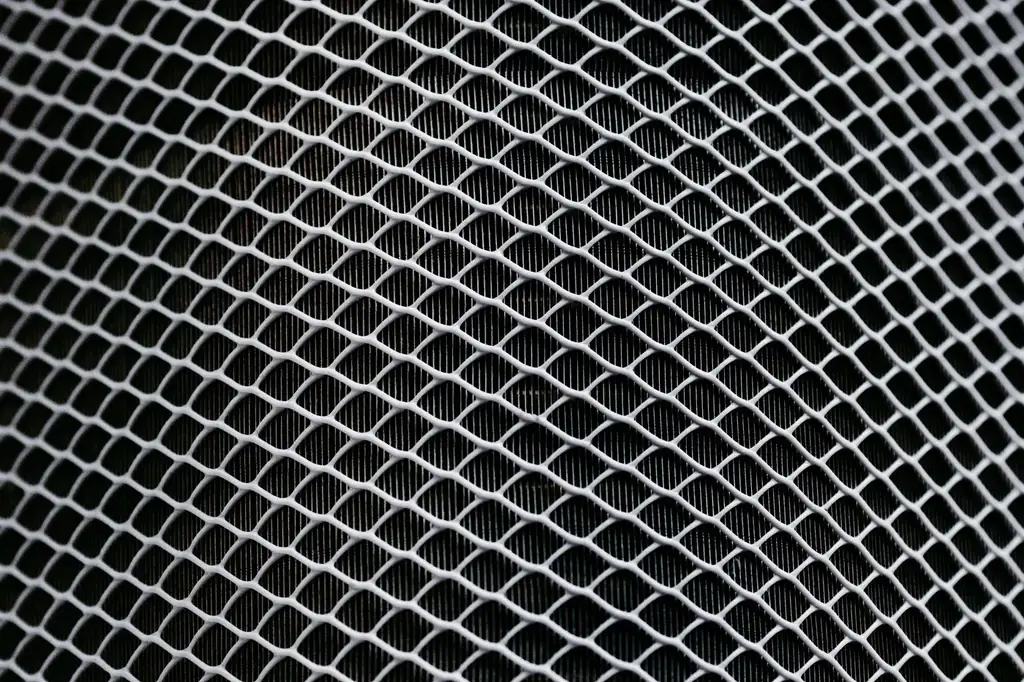
A fine stainless or polymer mesh, usually mounted on a metal frame, sits across the gutter. The tiny openings let water through while blocking even small debris like shingle grit and many seeds. Micro-mesh is often considered the most thorough at keeping the trough clean.
Its weak point is the surface itself. Pollen, fine dust and organic film can blind the mesh over time, and when the surface is coated, water can sheet right over it in a downpour instead of soaking through. So micro-mesh trades trough-cleaning for occasional surface-brushing. We compare it head-to-head with screens in micro-mesh vs. screen gutter guards.
A perforated metal or plastic panel — think of a coarse grate — snaps or slides over the gutter. Screens are inexpensive, easy to install, and good at stopping leaves and large twigs.
Because the openings are relatively large, they let smaller material through: pine needles, seed pods, roof grit and fine organic debris can still reach the trough. Screens reduce clogging but often need periodic clearing underneath.
A cylindrical bristle brush, like a giant pipe cleaner, drops into the gutter. Debris is meant to rest on the bristles while water flows through and around them. Brushes are the easiest to install — you just lay them in — and involve no fasteners.
The catch is that debris collects in the bristles rather than being shed off a smooth surface. Leaves and needles snag on the brush and eventually have to be pulled out and shaken clean, so the maintenance is different, not gone.
A wedge of porous foam fills the gutter channel. Water passes through the foam while debris rides on top. Like brushes, foam inserts are cheap and simple to fit.
Foam struggles with fine debris that lodges in the pores, and in damp, shaded conditions it can host moss, weed seeds or mildew. Over years it may degrade in sunlight. It is a low-cost option that tends to need replacing sooner than rigid systems.
A solid cover curves over the gutter lip, and rainwater clings to that curve — following the surface by tension — around the nose and into a narrow slot, while leaves tumble off the front edge. These are often installed by pros and can slide under the first shingle course.
Their weak points are heavy downpours, where fast water can overshoot the slot, and small debris or pine needles that ride the water into the channel. The slot itself can clog with grime and become hard to inspect, and the under-shingle mounting raises roof-warranty questions (more below).
| Type | How it works | Best at stopping | Main weak point | Cleaning still needed |
|---|---|---|---|---|
| Micro-mesh | Fine mesh passes water, blocks fine debris | Small debris, grit, most seeds | Surface blinds with pollen/film; can shed water when dirty | Occasional surface brushing |
| Screen | Coarse perforated panel over gutter | Leaves, large twigs | Lets needles, grit, small debris through | Periodic clearing under panel |
| Brush | Bristles hold debris, water flows through | Large leaves | Debris tangles in bristles | Pull and shake out brushes |
| Foam | Porous block, water seeps through | Leaves and twigs on top | Fine debris and moss in pores; UV aging | Rinse or replace insert |
| Reverse-curve | Surface tension routes water into a slot | Leaves off the front edge | Downpour overshoot; needles; hidden slot clogs | Clear slot; check in heavy rain |
These are general tendencies, not guarantees — real-world results vary with your specific trees, roof and rainfall.
Guards are not universally interchangeable. Steep roofs shed water fast, which can cause surface-tension designs to overshoot; low-slope roofs move water slowly and may favor mesh. Metal, tile and slate roofs each have their own fit considerations.
Watch the warranty angle closely. Some reverse-curve guards tuck under the first course of shingles, and certain roofing manufacturers restrict what may be slipped beneath their shingles. Guard makers also publish their own compatibility and warranty terms. Before buying, confirm the design suits your roof material and slope, and that fitting it will not conflict with your roof warranty.
Installing or cleaning guards means working at height. Work at height risks falls; if you lack safe access, hire a professional.
A good gutter guard, matched to your roof and your trees and installed well, can meaningfully cut how often you are up on a ladder. That is a real benefit. But “less” is not “never.” Fine debris, pine needles, heavy storms and winter ice each find a way around one design or another. Buy a guard to reduce maintenance and protect the trough between cleanings — not to eliminate the chore entirely.
FAQ
No. Guards keep large debris out of the trough, but fine grit, pollen, shingle granules and organic film still collect on top of or inside most systems. Plan on lighter, less frequent checkups rather than a true set-and-forget gutter.
Pine needles are the hardest case. They can bridge across screens, wedge into mesh openings, and mat over reverse-curve slots. Fine micro-mesh usually performs best against needles, but even then you should expect to brush the surface periodically.
Many snap-in screens, brushes and foam inserts are homeowner-friendly and need only basic tools. Reverse-curve and some professionally fitted mesh systems are trickier because they must match your roof pitch and shingle line, and working from a ladder adds real fall risk.
Guards do not by themselves cause ice dams, which come from heat escaping the roof and melting snow that refreezes at the eave. But in cold climates ice can form on or under a guard, and some rigid covers make that ice harder to clear, so they are not a winter cure.
Some reverse-curve guards slide under the first course of shingles, which can affect certain roofing warranties or lift shingles if installed poorly. Check both the guard maker's and your roofer's guidance before choosing a design that tucks under the roof.
In a downpour, water can sheet across a mesh or curved surface that is clogged with grime, pollen or fine debris instead of soaking through. A dirty guard surface, too-flat a slope, or an undersized gutter can all send water past the trough entirely.
Not automatically. Micro-mesh blocks finer debris but needs occasional surface cleaning and good installation to work. Screens are cheaper and easy to fit but let smaller material through. The right pick depends on your trees, roof and how often you are willing to get on a ladder.
Keep reading
How roof grit and shingle granules affect gutter guards — why fine grit blinds mesh and settles in troughs, and how to manage it as shingles age.
Why gutter guards still clog — surface blinding, fine debris that slips through, matting after rain, and downspout blockages — plus how to reduce it.
Why pine needles defeat most gutter guards, how each guard type copes, and the realistic maintenance you should expect if you live under conifers.