Micro-Mesh vs Reverse-Curve Gutter Guards
Micro-mesh vs reverse-curve gutter guards compared — how each design moves water, what debris each struggles with, heavy-rain behavior, and how to choose.
Gutter Guards

Micro-mesh guards use a fine stainless mesh that blocks even small debris like pine needles and roof grit; screen guards use a coarser grid that stops leaves but lets fine debris through. Micro-mesh protects better and costs more; screens are cheaper and more DIY-friendly.
Micro-mesh guards use a fine stainless screen that blocks nearly everything, including pine needles and shingle grit, while coarser screen guards stop leaves but let smaller debris pass into the gutter. Mesh protects more thoroughly and costs more; screens are cheaper and easier to install yourself.
If you have spent an afternoon scooping wet leaves out of a gutter, the appeal of a guard is obvious. But “gutter guard” covers a wide range of products, and two of the most common categories, micro-mesh and screen, work differently enough that the right pick depends on what actually lands on your roof.
This article compares how each type works, what it stops and what it lets through, and the practical trade-offs around maintenance, durability, cost, and installation. If you want a broader primer first, see how gutter guards work and, for the system they protect, how gutters work.
A screen guard is a panel with a relatively coarse grid, holes, or slots. It sits over the gutter opening and physically blocks larger material, mostly leaves and twigs, while letting water fall through the openings. Screens come in plastic, aluminum, or steel and range from flimsy roll-out mesh to rigid perforated panels.
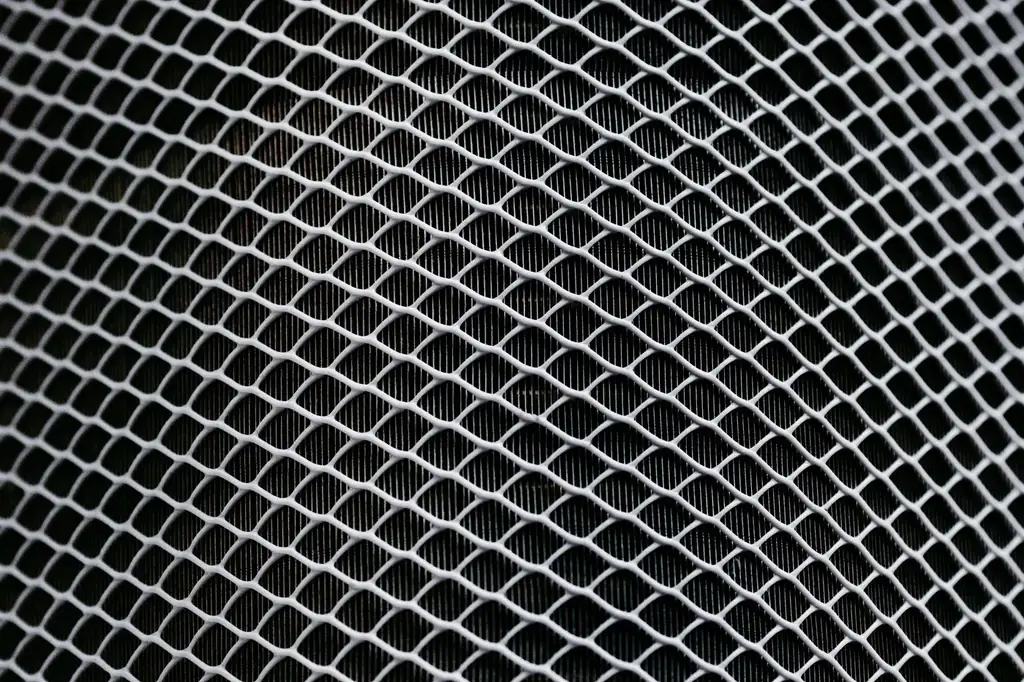
A micro-mesh guard uses a very fine stainless steel mesh, usually stretched over a supporting frame. The openings are small enough to catch fine debris while surface tension and the mesh’s structure let water pass. Because the holes are tiny, micro-mesh filters out material that sails straight through a screen.
The core difference is opening size. A screen decides what passes based on a coarse grid; micro-mesh filters at a much finer scale. That single distinction drives almost every trade-off below.
Debris is not one thing. Big deciduous leaves behave very differently from pine needles, maple seed pods, or the granular grit that washes off an asphalt roof.
| Debris type | Screen guard | Micro-mesh guard |
|---|---|---|
| Large leaves | Blocks well | Blocks well |
| Twigs and seed pods | Mostly blocks | Blocks |
| Pine needles | Often passes or lodges in the grid | Generally blocks |
| Maple “helicopters” | Can slip through or wedge in | Generally blocks |
| Roof grit and shingle granules | Passes into the trough | Mostly blocks |
| Pollen and fine silt | Passes | Blocks, but can film the surface |
Screens shine against big, obvious debris. Their weakness is anything small: pine needles frequently thread through or jam into the openings, and fine grit simply rains into the gutter, where it can eventually pack down into sludge.
Micro-mesh is the better filter across the board. That is its main selling point, but the same fineness that stops grit is also the source of its one notable drawback.
If your property is ringed by pines, or your roof is older asphalt shedding granules, this is the deciding factor. Coarse screens tend to lose against needles and grit, letting them accumulate below where they are hard to see and harder to remove. Micro-mesh keeps that fine material on top, where a rinse can clear it. For homes under conifers, this is usually where mesh justifies its higher cost.
Micro-mesh’s fine surface has a catch. When pollen, grit, or a thin organic film coats the mesh, water can start to bead and sheet across the top instead of soaking through. In a hard downpour, that sheeting water may run right over the front lip of the gutter rather than into it.
Whether and how fast this happens depends on your tree cover, pollen load, roof material, and rainfall intensity. A mesh that stays clean in one yard may need rinsing a few times a year in another.
The fix is simple but real: micro-mesh needs occasional rinsing to keep the surface open. A hose from a ladder, or a spray from the ground with the right nozzle, usually restores flow. Coarse screens rarely sheet water this way because their openings are large, but that is the same reason they let fine debris through in the first place. You are trading one problem for the other.
Neither guard makes gutters maintenance-free, and any product sold that way is overpromising.
With screens, the trough underneath still collects the fine material that passed through, so you will periodically need to lift or open the guard and flush the gutter. Needles caught in the grid may also need brushing off the top.
With micro-mesh, less reaches the trough, but the mesh surface itself is what needs attention. Expect to rinse it when flow slows or after heavy pollen season, and to clear leaves that dry and stick on top.
Think of guards as reducing frequency and difficulty, not erasing the chore.
Build quality varies enormously within both categories, so material is only part of the story.
In general, a well-made stainless micro-mesh on a solid frame is the more durable long-term choice, while budget plastic screens are the most likely to need replacing. But a quality aluminum screen can outlast a bargain-bin mesh, so judge the specific product, not just the category.
Prices vary too much by region, roof, and product tier to quote meaningfully, so treat these as directional rather than exact.
The honest summary: screens win on upfront price and DIY savings; micro-mesh costs more but filters better and, if well made, may last longer.
Many screen guards are built for homeowners. They often drop into the gutter, clip to the front lip, or slide under the first course of shingles with basic hand tools. That accessibility is a genuine advantage if you are comfortable on a ladder.
Micro-mesh spans a wider range. Some DIY-friendly mesh panels install much like screens. Higher-end systems, though, use custom frames, screw-down mounting, or shingle-tuck details that are often sold with professional installation, both for fit and because reaching the roofline safely is not trivial.
Slipping any guard under shingles can affect the roof edge if done wrong. On steep, tall, or complex roofs, professional installation is often the safer call regardless of guard type.
| Factor | Screen guards | Micro-mesh guards |
|---|---|---|
| Blocks large leaves | Yes | Yes |
| Blocks pine needles | Often no | Generally yes |
| Blocks roof grit and fine silt | No | Mostly yes |
| Downpour overflow risk | Low | Possible if surface films over |
| Typical material | Plastic, aluminum, steel | Stainless mesh on a frame |
| Durability | Varies; plastic weakest | Generally strong if well made |
| Upfront cost | Lower | Higher |
| DIY-friendly | Often | Sometimes; premium systems pro-installed |
| Eliminates cleaning | No | No |
Match the guard to your debris, not to a marketing claim.
If you are unsure, watch what you actually pull out of your gutters over a season. A trough full of needles and grit points to mesh; a few handfuls of big leaves points to a screen. Either way, plan on some ongoing maintenance, and treat the guard as a way to make gutter care easier rather than a promise you will never climb the ladder again.
FAQ
Micro-mesh generally stops pine needles because the openings are smaller than the needle. Coarse screens often let needles slip through the grid or wedge into the holes, where they can build up over time.
No. Both reduce how often and how deeply you clean, but neither eliminates it. Micro-mesh needs periodic rinsing of its surface, and screens still let fine grit into the trough that eventually needs flushing.
When the mesh surface gets coated with pollen, roof grit, or a fine film, water can bead and sheet across the top instead of soaking through, shedding over the front edge in a downpour. A rinse usually restores flow.
Many screen guards are designed for DIY and drop or clip into place with basic tools. Some micro-mesh products are DIY-friendly too, but higher-end mesh systems are often sold with professional installation.
Stainless steel mesh generally resists UV, heat, and warping better than inexpensive plastic screens, which can grow brittle over years of sun exposure. Frame material and build quality matter as much as the mesh itself.
Asphalt shingles shed granules that act like grit; micro-mesh keeps that grit out of the trough better than coarse screens. On any roof, grit that lands on mesh is why occasional rinsing matters.
If your main debris is a handful of big deciduous leaves and little fine material, a coarse screen may be all you need. Micro-mesh earns its cost most where pine needles, seed pods, or grit are the problem.
Keep reading
Micro-mesh vs reverse-curve gutter guards compared — how each design moves water, what debris each struggles with, heavy-rain behavior, and how to choose.
How roof grit and shingle granules affect gutter guards — why fine grit blinds mesh and settles in troughs, and how to manage it as shingles age.
Foam vs brush gutter guards compared — how each works, maintenance reality, UV aging, cost factors, and how to choose between the two DIY options.