French Drain vs Catch Basin — Which Do You Need?
A French drain collects soggy subsurface water; a catch basin captures standing surface water. Here is how to tell which one your yard actually needs.
Drainage
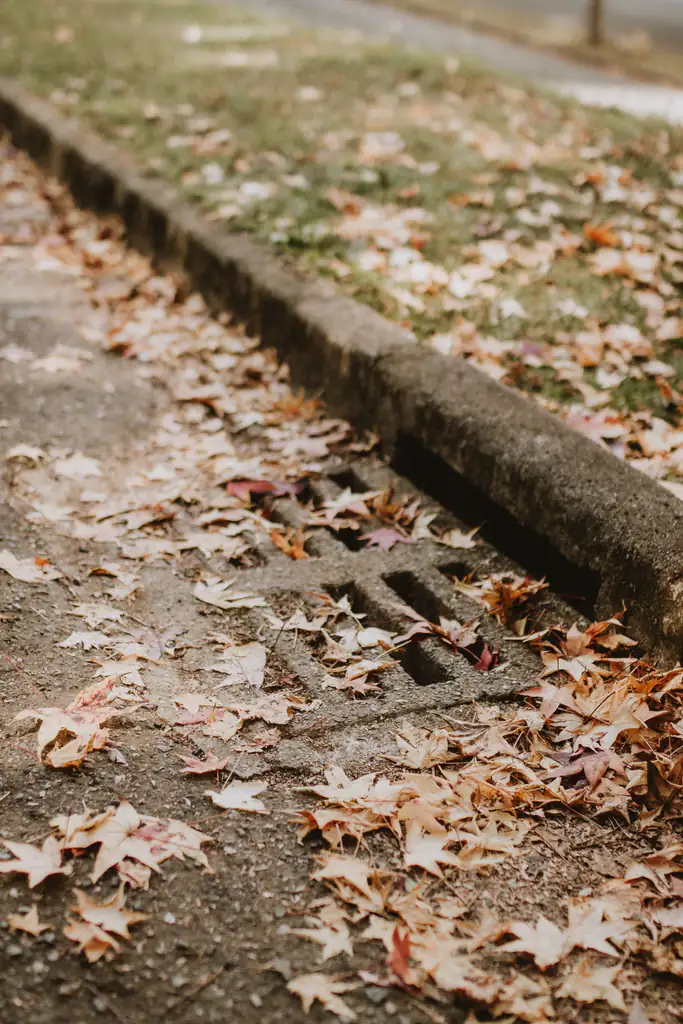
A catch basin is a grated box set at a low point that collects surface water and pipes it to an outlet, with a sump at the bottom to trap silt. It handles standing surface water well but needs periodic cleaning and a real outlet to drain toward.
A catch basin is a grated box set at a low point in the ground that collects surface water and pipes it away, with a sump at the bottom to trap silt before it enters the pipe. It is the right tool when water pools at a defined spot and you have somewhere lower to send it. Two things make or break it: regular cleaning, and a real outlet.
A catch basin is not complicated, and that is its strength. From the top down:
In use, surface water sheets across the ground, reaches the low point, and pours through the grate into the box. It fills up to the level of the outlet pipe and then flows out toward the outlet. Heavier debris sinks to the sump; cleaner water leaves. That silt-trapping sump is the difference between a catch basin and a plain drain — and the reason it can serve for years without the outlet pipe clogging, provided the sump is emptied.
Catch basins are made for concentrated, surface-level water at a fixed location:
The common thread is that the water arrives at a point. That is exactly where a catch basin differs from a French drain, which intercepts water spread along a line and mostly below grade. If you are weighing the two, our comparison of a French drain vs a catch basin lays out which pattern of water each one is built for. In short: puddle at a spot, think catch basin; wet strip along a length, think French drain.
The sump is a feature, not an afterthought, and it needs attention. Every storm carries fine sediment, lawn clippings, roof grit, and organic muck into the basin. Most of it settles into the sump — which is the point — but the sump has finite depth. Once it fills to the level of the outlet, new debris starts riding straight into the pipe, and a clogged outlet pipe is a much bigger job than a scoop-out.
Cleaning is genuinely easy: lift the grate, scoop or shop-vac out the accumulated sludge, replace the grate. The trick is doing it on a schedule rather than after the basin has already overflowed. How often depends on how much debris your site generates — a basin under mature trees fills far faster than one in open lawn.
A catch basin that is never cleaned will eventually behave worse than no basin at all: the sump fills, the outlet clogs, and water backs up at the grate with nowhere to go. Put the cleaning on a calendar, not a memory.
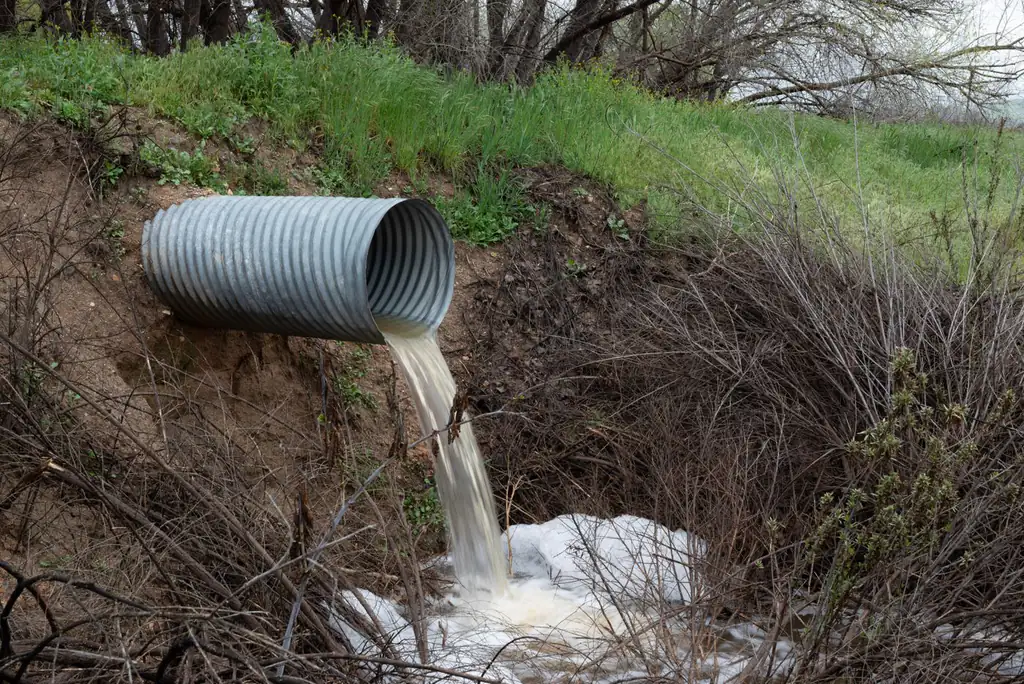
Here is the point people skip, so it deserves its own heading: a catch basin does not make water disappear. It only moves it. The outlet pipe has to lead somewhere genuinely lower and able to accept the flow. Your options are the usual three:
| Outlet type | Works when… | Watch out for… |
|---|---|---|
| Daylight on a slope | Ground falls away to a spot you can legally discharge to | Erosion at the pipe end; discharge across property lines may be regulated |
| Dry well | Soil drains well and there is no daylight outlet | Fails in clay or high water table; sizing is site-specific |
| Storm sewer connection | A public system exists and permits it | Often requires permission or a permit |
If none of those exist, a catch basin has nowhere to send its water and will simply fill up. Sorting out the outlet is the first design decision, not the last. And because where you may discharge stormwater is often regulated — including tie-ins to public systems and flows across a boundary — confirm what is allowed locally before you commit to an outlet.
A catch basin is the honest, low-tech answer to surface water that keeps pooling at one spot. Set the grate at the true low point, give it a real outlet that runs downhill, and empty the sump on a schedule — do those three things and it will quietly clear that puddle for years. Skip any one of them and it becomes an expensive hole that fills with water.
FAQ
It is a boxed drain with a grate on top, set at a low point in your yard or driveway. Surface water flows across the ground, drops through the grate into the box, and exits through an outlet pipe. A sump below the outlet catches silt and debris before they enter the pipe.
A catch basin collects surface water at a point where it already pools. A French drain intercepts water spread out along a line, mostly below the surface. One is a collection box, the other is a perforated pipe in gravel. They solve different patterns of water.
Yes. The sump at the bottom fills with silt, leaves, and grit over time. If it is never cleaned out, the debris eventually reaches the outlet pipe and clogs it. Cleaning is simple but has to actually happen on a regular schedule.
Always. A catch basin only moves water; it does not make it disappear. The outlet pipe has to run to somewhere lower — daylight on a slope, a dry well in draining soil, or a storm connection. Without a real outlet the box just fills and backs up.
At the fixed low point where water actually collects. Watch your yard during a storm and put the grate where the puddle forms. Placing it uphill of the real low spot means water never reaches it.
It can be part of the fix if the pooling collects at a defined low point you can pipe away. But water against a foundation is often better solved by regrading so it never pools there. A basin should complement good grading, not replace it.
Not necessarily. Where you are allowed to send collected stormwater can be regulated, and connecting to a public storm system or discharging across a property line may require permission. Check your local rules before choosing an outlet.
Keep reading
A French drain collects soggy subsurface water; a catch basin captures standing surface water. Here is how to tell which one your yard actually needs.
Roof water, ground slope, and a real outlet decide whether water stays away from your house. A practical order for tackling water near the foundation.
Grading shapes the ground so water runs away from the house to a safe outlet. How positive slope, swales, and a real outlet work together to keep a yard dry.