How to Drain Water Away From Your House
Roof water, ground slope, and a real outlet decide whether water stays away from your house. A practical order for tackling water near the foundation.
Drainage
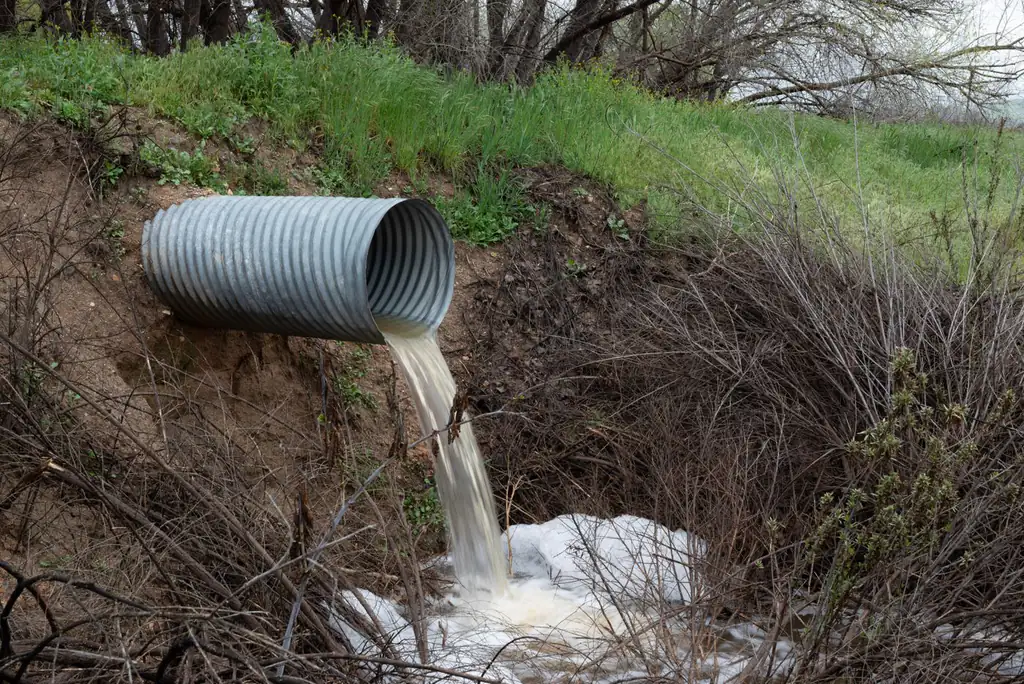
Grading means shaping the ground so water flows away from the house toward a lower, safe destination. The ground should slope steadily downward from the foundation for the first several feet, then keep falling toward an outlet — no flat spots or dips where water can pond. It is the cheapest, most fundamental drainage fix there is.
Grading a yard for drainage means shaping the ground so water flows away from your house and toward a lower, safe place to go. In practice that means one thing above all: the ground should slope steadily downhill from the foundation outward, with no flat stretches and no dips where water can gather and sit. It is the most basic drainage fix there is, and often the cheapest — you are moving soil, not installing hardware. It is also the one every other solution depends on. A French drain, a catch basin, or a downspout extension all work better when the ground around them already sends water in the right direction.
If water is pooling near your house or your basement gets damp after rain, grading is the first thing to check, not the last.
Water moves downhill. That is the entire principle. Grading simply arranges the downhill so it always leads away from the building and toward a destination you have chosen. When the ground falls consistently away from the foundation, rain that lands near the house sheds outward before it can soak down against the footings or pool along the wall. When the ground is flat, or worse, tilts back toward the house, that same rain has nowhere to go but down and in.
Good grading has two parts working together:
Miss either part and the grade fails. Perfect slope at the foundation is wasted if the water only travels ten feet and then hits a flat, soggy dead end.
Slope is a principle, not a fixed number. How much fall a yard needs depends on its soil, rainfall, and what lies downhill. Aim for a continuous, visible slope away from the house with no reverse tilts or flat spots — and let local conditions and code, not a rule of thumb, set the specifics.
Before moving any soil, watch where water goes. The best time to diagnose grading is during and right after a heavy rain.
You are building a mental map of the current grade so you know what to change. A yard that channels water at the foundation, or one riddled with flat low spots, is telling you exactly where the soil needs to move. Our guide to fixing standing water in a yard covers diagnosing these low spots in more detail.
The zone right around the house matters most, because that is where water does the most damage. If the ground there is flat or tilts inward, the fix is to build it up: add and firmly compact soil against the foundation so the surface falls away from the wall over the first several feet. Use a soil that sheds water rather than a loose, sandy mix that lets it soak straight down, and keep the finished level well below any siding, sill, or wall vents.
This single correction — turning negative grading into positive grading — resolves a surprising share of damp-basement and wet-crawl-space complaints, because most of that moisture starts outside as water sitting against the wall. For how this connects to the structure, see drainage around a retaining wall if a wall is part of your setup.
Beyond the foundation, you often need to carry water along a chosen path rather than just push it off the wall. That is what a swale does. A swale is a shallow, gently sloped channel — usually grassed so it blends into the lawn — that collects surface water and guides it toward an outlet. Think of it as grading in linear form: a broad, soft ditch that moves water without a pipe.
A swale works when it has a steady fall from one end to the other and a real destination at the low end. Built well, it is nearly invisible, mowed like the rest of the lawn, and doing quiet work every time it rains. Built without enough slope, it just becomes a longer puddle. Our guide to yard grading and swales goes deeper on shaping and planting them, and drainage for sloped yards covers the special case of steeper ground.
Grading moves water; it does not make water vanish. So a graded yard, exactly like a French drain, needs somewhere for the water to end up. The slope and any swales should lead to a genuine outlet — a lower area that drains, a ditch, a storm connection where local rules allow, or a soakaway in soil that absorbs water. If the grade simply carries water to a flat corner of the property, you have moved the puddle, not removed it. Decide where the water is going before you shape the path to it; our guide to finding your drainage outlet is the place to start.
| Mistake | Why it fails |
|---|---|
| Negative slope at the foundation | Sends water straight to the wall and footings |
| Flat spots and low dips | Water collects and sits instead of moving |
| Grading to a dead end | Relocates the puddle rather than removing it |
| Soil piled against siding | Traps moisture on the wall and invites rot and pests |
| Loose, absorbent fill at the house | Lets water soak down instead of shedding off |
| A swale with no real fall | Becomes a longer puddle, not a channel |
Small corrections are within reach for many homeowners: building up a settled low spot against the foundation, reshaping a shallow swale, filling a minor dip. Large regrading is a different matter. Moving significant soil, changing where water crosses onto a neighbor’s land, or reshaping ground close to the foundation can go wrong in expensive ways — and directing more runoff onto a neighbor’s property can create real liability. When the job is big, near the structure, or affects the property line, it is often better handled by a professional who can read the whole site. Our overview of DIY vs professional yard drainage covers where that line usually falls.
Grading is the foundation of yard drainage in both senses of the word. Shape the ground so it slopes steadily away from the house, keep the water moving with no flat spots or dips, guide it with a swale where it needs a path, and lead it all to a real outlet. Do that and much of a wet yard’s trouble solves itself before any pipe goes in the ground — and everything else you install works better on top of a good grade. For the wider system, start with our drainage overview.
FAQ
Grading means shaping the soil so water flows where you want it — away from the house and toward a lower, safe destination. Good grading creates a continuous downward slope from the foundation outward, with no flat areas or low dips where water can collect and sit.
Away from the house in every direction, at least for the first several feet around the foundation, then continuing to fall toward a lower outlet such as a swale, a ditch, or the street where local rules allow. The goal is that water always has a downhill path leading away from the building.
Enough that water moves steadily away without pooling, but there is no single universal number that fits every yard. The right slope depends on soil, rainfall, and what is downhill. The principle matters more than a figure — a continuous, visible fall away from the house with no reverse slopes or flat spots.
A swale is a shallow, gently sloped channel, usually grassed, that collects surface water and guides it along a chosen path to an outlet. It is grading in linear form — a broad, soft ditch that moves water across a yard without a pipe, and it blends into the lawn when built well.
Small corrections — building up soil against a settled low spot near the foundation, reshaping a shallow swale — are within reach for many homeowners. Large regrading that moves significant soil, affects neighbors, or sits near the foundation is easy to get wrong and is often better handled professionally.
Negative grading is ground that slopes back toward the house instead of away from it, so water runs to the foundation. It is one of the most common causes of a wet basement or crawl space, and correcting it is often the first and most important drainage fix a house needs.
Not always, but it comes first. Grading is the foundation every other drainage measure builds on. Sometimes correct grading alone solves the problem; sometimes it works alongside downspout extensions, a swale, or a French drain. Getting the grade right makes everything else more effective.
Keep reading
Roof water, ground slope, and a real outlet decide whether water stays away from your house. A practical order for tackling water near the foundation.
How grading and swales move surface water without pipes — positive slope, building a swale, and the outlet every one of them depends on. Uses and common mistakes.
Standing water in your yard? Diagnose the cause first, then match the fix — regrading, a swale, French drain, dry well, or soil work.