How to Grade a Yard for Drainage
Grading shapes the ground so water runs away from the house to a safe outlet. How positive slope, swales, and a real outlet work together to keep a yard dry.
Drainage
Keeping water away from a house comes down to three things working together: gutters and downspouts that carry roof water well past the foundation, ground that slopes away from the walls, and a real outlet for the water to reach. Fix them in that order, and most water-near-the-house problems ease before any major digging.
Keeping water away from your house is not one project — it is three things working together: roof water carried well past the foundation, ground that slopes away from the walls, and a real outlet for that water to reach. Handle them in that order and most “water near the house” problems ease before you ever rent an excavator. Skip any one of the three and the other two cannot fully compensate. The good news is that the first two steps are the cheapest, and they solve a large share of cases on their own.
Water against a foundation is where basements get damp, crawl spaces get musty, and footings get undermined. Almost all of it starts outside, which is exactly why the fixes are outside too.
A roof concentrates an enormous volume of water and delivers it to a handful of downspouts. If those downspouts dump at the base of the wall, you have engineered a flood right where you least want one. So the first move, before anything in the ground, is to make sure roof water travels away from the house.
That means two checks. First, the gutters and downspouts have to actually be working — not overflowing, sagging, or clogged — so the water reaches the downspout outlet in the first place. Second, the outlet has to discharge well past the foundation, out onto ground that slopes away, rather than at the wall. Extending a downspout with a solid pipe, a splash block, or a buried line to a pop-up emitter is often the single highest-value drainage fix a house can get, and one of the least expensive. Our guides to underground downspout drainage and pop-up emitters cover how to carry that water out cleanly.
Fix the roof water first. There is no point regrading a yard or trenching a French drain while the downspouts are still emptying at the wall. Get the concentrated roof water moving away from the foundation before you touch the ground — it is cheap, fast, and often decisive.
With the roof water handled, the next layer is the ground itself. If the soil around the house is flat or tilts back toward the wall, rain and any water you have not captured will still pool against the foundation. The fix is grading: shaping the ground so it slopes steadily away from the house for the first several feet, then keeps falling toward a lower part of the yard.
Correcting negative grading — ground that slopes toward the house — is frequently the difference between a dry basement and a damp one, because it stops water from ever collecting against the wall. Build up and compact soil so the surface falls away from the foundation, keep the level below siding and vents, and make sure there are no flat dead ends where water stalls. Our full walkthrough is in how to grade a yard for drainage, and yard grading and swales covers using a shallow grassed channel to guide the water across the yard.
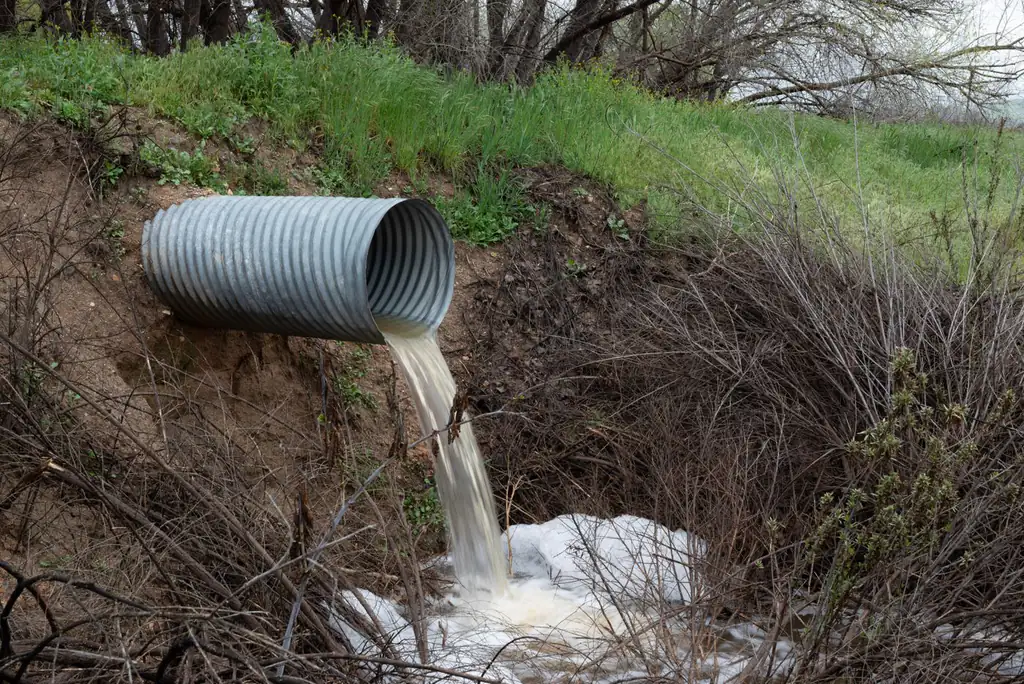
Here is the step people forget. Moving water off the roof and away from the wall only helps if the water then has somewhere real to end up. Push it four feet from the house into a flat, soggy patch and you have relocated the problem, not solved it. Every drainage measure — downspout extensions, grading, swales, French drains — needs to lead to a genuine outlet lower than the house where water can actually leave.
Depending on your site, that outlet might be a swale carrying water to a lower area, a pop-up emitter, a dry well in soil that drains, or a storm connection where local rules allow. Deciding on the outlet should come early, because it shapes everything upstream. Our guide to finding your drainage outlet is the place to start.
| Layer | What it does | Typical fix |
|---|---|---|
| Roof water | Removes the biggest concentrated source | Working gutters, extended downspouts |
| Ground slope | Stops water pooling at the wall | Positive grading, swales |
| Outlet | Gives the water a real destination | Daylight, pop-up emitter, dry well |
Work down the table in order. Each layer makes the next one more effective, and skipping the top layers to jump straight to buried drainage is how people end up with an expensive French drain that still cannot keep up with downspouts dumping at the wall.
Sometimes the roof water is handled, the grade is correct, and the ground still stays wet — spongy and saturated for days after rain. That points to a subsurface problem: water sitting in the soil or a high water table, rather than surface runoff. This is where buried drainage earns its place. A French drain collects saturated water out of the soil along its length and carries it to the outlet you have already chosen. Our guide to planning a French drain covers when that step is warranted, and the wider comparison of surface vs subsurface drainage helps you confirm you are solving the right kind of problem.
The order still holds: subsurface drainage is a layer you add on top of good roof-water management and grading, not a substitute for them.
Draining water away from a house is a sequence, not a single gadget. Carry the roof water well past the foundation, shape the ground so it slopes away, and lead everything to a real outlet lower than the house. Do those three in order and most water-near-the-house trouble eases with cheap, low-tech fixes — leaving buried drainage as a targeted addition for the cases that genuinely need it, not the default first move. For the wider system, start with our drainage overview.
FAQ
Tackle it in three layers: make sure gutters and downspouts carry roof water several feet past the walls, ensure the ground slopes away from the house, and give that water a real outlet to reach. Most foundation-water problems ease once those three are working together, before any major excavation.
Far enough that the water lands beyond the backfill zone around the foundation and cannot run back toward the wall — generally several feet out onto ground that slopes away. The exact distance depends on your grade and soil, so extend farther when in doubt rather than stopping short at the wall.
Usually because roof water is dumped at the wall by short downspouts, the ground slopes toward the house instead of away, or both. Sometimes a buried downspout line or a blocked outlet is backing up. The fix starts with checking where the roof water goes and which way the ground falls.
Not always. Extending downspouts and correcting the grade solves many cases on their own. A French drain is the answer when the ground stays saturated after those basics are handled, or when subsurface water and a high water table are involved rather than just surface runoff.
At a genuine outlet lower than the house — a swale leading away, a lower part of the yard, a pop-up emitter, a dry well in soil that drains, or a storm connection where local rules allow. Water must have somewhere real to go; moving it a few feet to another low spot does not solve the problem.
No. Concentrating drainage onto a neighbor's land can cause damage and is often a legal liability. Keep discharge on your own property and lead it to an outlet there. If runoff between properties is the issue, resolve it properly rather than aiming water across the line.
Usually downspout extensions and minor regrading. Both address the most common causes — roof water dumped at the wall and ground that slopes the wrong way — for little money and no specialized equipment, which is why they are the right first steps before considering buried drainage.
Keep reading
Grading shapes the ground so water runs away from the house to a safe outlet. How positive slope, swales, and a real outlet work together to keep a yard dry.
How grading and swales move surface water without pipes — positive slope, building a swale, and the outlet every one of them depends on. Uses and common mistakes.
Standing water in your yard? Diagnose the cause first, then match the fix — regrading, a swale, French drain, dry well, or soil work.