Dry Well vs French Drain — Which Does Your Yard Need?
A French drain collects and moves water; a dry well stores and soaks it into the ground. Here is how to tell which one your yard actually needs.
Drainage
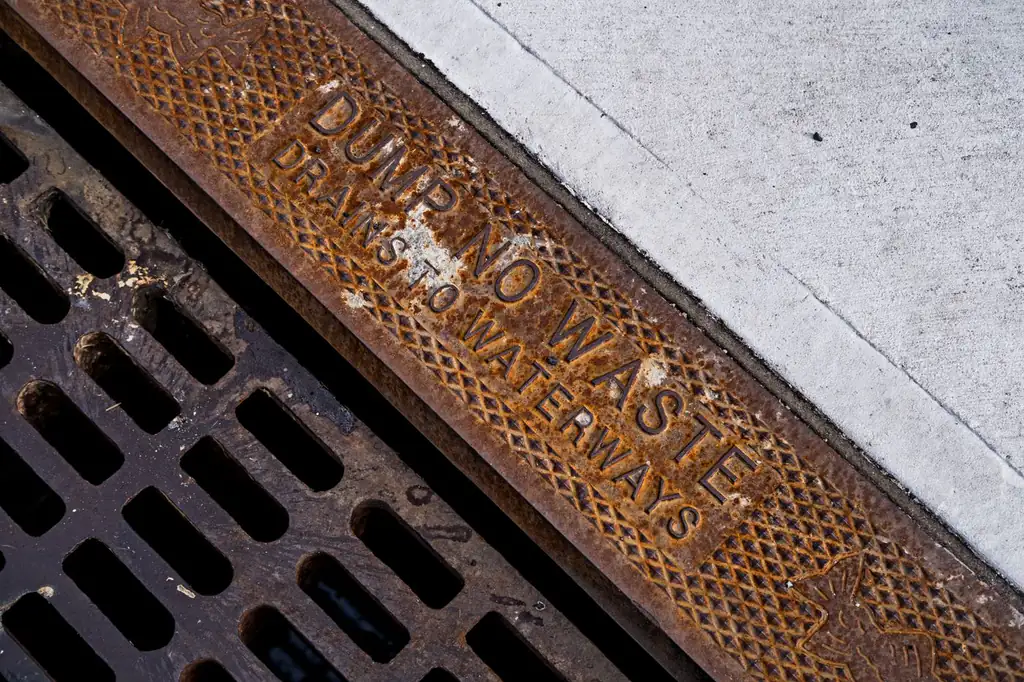
A dry well is a buried pit or tank that receives water — usually from a downspout — and lets it soak slowly into the surrounding soil. It only works where the soil actually drains; in heavy clay or a high water table it just fills and backs up.
A dry well is a buried pit or tank that catches water — most often from a downspout — and lets it soak slowly into the surrounding soil. It is essentially a temporary underground reservoir. The catch is simple and unforgiving: it only works where the soil can actually absorb water. In heavy clay or where the water table sits high, a dry well fills and backs up instead of draining.
Picture a hole in the ground, several feet across and several feet deep, filled with coarse gravel or fitted with a hollow plastic chamber. A pipe carries water into it. The water fills the empty space between the stones (or inside the chamber), then seeps outward through the walls and floor into the soil around it. Over the hours after a storm, the well empties and is ready for the next one.
That is the whole idea. There are two common forms:
Either way, the well is usually wrapped in landscape fabric so soil does not migrate in and silt it up, and the top is capped with soil, sod, or an access lid.
A dry well lives at the end of a run, not the middle. The classic use is the terminus of a buried downspout line: rain hits the roof, funnels into the gutter, drops down the downspout, travels underground away from the house, and finally reaches the dry well where it soaks away. If you are planning that underground run, our guide to underground downspout drainage covers the pipe part; the dry well is what you connect it to when there is no daylight outlet or storm sewer to send the water to.
That last point matters. A dry well is the answer when you have nowhere obvious to send water — no ditch, no lower ground, no municipal storm connection. Instead of moving the water somewhere, you make somewhere for it to disappear into the earth.
Soil drainage. If the ground around the well cannot absorb water at a reasonable rate, nothing else you do will save the design.
The rough field test is a percolation check: dig a hole roughly where the well will go, fill it with water, let it drain once to pre-soak, then refill and time how far the water drops. Fast-draining sandy or gravelly soil swallows water quickly and makes an excellent host. Heavy clay can take many hours to drop an inch — far too slow to keep up with a downpour draining off a roof.
A dry well in soil that will not drain is not a smaller dry well problem — it is the wrong tool. If percolation is poor, look at surface solutions like grading and swales, or a piped outlet to daylight, before you commit to infiltration.
A high water table causes the same failure for a different reason: if groundwater already sits near the depth of your well, there is nowhere for new water to go. The well stays full and backs up toward the inlet after every rain.
There is no universal “make it this big” number, and anyone who gives you one without asking about your soil is guessing. Two variables drive the size:
The interaction is the important part. The same roof over fast sand might need a modest well; over slow soil it might need one several times larger to avoid overflowing — assuming the soil drains at all. Local rainfall intensity matters too, which is one reason infiltration sizing is often set or checked against local stormwater guidance.
| Factor | Pushes size up when… | Pushes size down when… |
|---|---|---|
| Roof area feeding it | Large roof / whole-house run | Small section of roof |
| Soil absorption rate | Clay or slow loam | Sand or gravel |
| Storm intensity | Heavy, short downpours common | Gentle, spread-out rain |
| Water table depth | Groundwater sits high | Deep, dry subsoil |
Treat this as a starting frame, then confirm against a percolation test and your local code rather than a rule of thumb.
A dry well is low-effort, not no-effort. The enemy is sediment: roof grit, leaf debris, and fine silt gradually clog the soil pores around the well and the fabric wrapping it, and a clogged well drains slower every year. To slow that down:
Even well-maintained, a dry well has a finite life measured in years to a couple of decades depending on how dirty its incoming water is.
A dry well is an elegant solution to one specific problem: you have roof water and nowhere to send it, and your soil drains. When both of those are true, it quietly makes the water disappear. When the soil does not cooperate, no amount of digging changes the physics — and that is the first thing to check, not the last.
FAQ
It is a buried pit or perforated tank that holds stormwater temporarily and lets it soak into the surrounding soil. Water enters from a pipe — usually a downspout line — fills the void space, and infiltrates outward and downward over the following hours.
Usually not well. Clay drains very slowly, so the well fills faster than it can empty and backs up toward the inlet. Before committing to a dry well, test how fast your soil actually absorbs water. If it barely moves, a dry well is the wrong tool.
It depends on how much roof drains into it and how fast your soil absorbs water. A larger roof area and slower soil both push the size up. There is no single correct number; slow soil can require a well several times larger than the same roof over fast-draining sand.
Far enough that the water it releases does not travel back toward the foundation. The right distance depends on your grade and soil, so treat it case by case rather than trusting a fixed figure. When in doubt, place it farther out and downhill.
Yes. Sediment and roof grit gradually clog the soil around the well and reduce how fast it drains. Keeping leaves and silt out of the inlet with gutter guards and a catch basin extends its life, but a dry well is not fully maintenance-free.
Not necessarily. Some jurisdictions regulate where stormwater can be infiltrated or discharged, and a few require permits or setbacks from wells and septic systems. Check your local rules before you dig.
A French drain is a perforated pipe in a gravel trench that moves water horizontally along a line. A dry well is a single collection point that stores water and lets it soak in place. They are sometimes combined, with a French drain feeding a dry well.
Keep reading
A French drain collects and moves water; a dry well stores and soaks it into the ground. Here is how to tell which one your yard actually needs.
Roof water, ground slope, and a real outlet decide whether water stays away from your house. A practical order for tackling water near the foundation.
Burying your downspout lines can move roof water cleanly away from the house — or create a hidden problem. Here is how these systems work, and the failures to design around.